Pediatric and Development · 8 min read
Fusion and Gemination: When Two Teeth Develop as One
- Written by
- 1PleasantonDentist Editorial Team, Editorial team
- Reviewed by
- Editorial team
Image: Chrisbwah · BY-SA 3.0 · Source
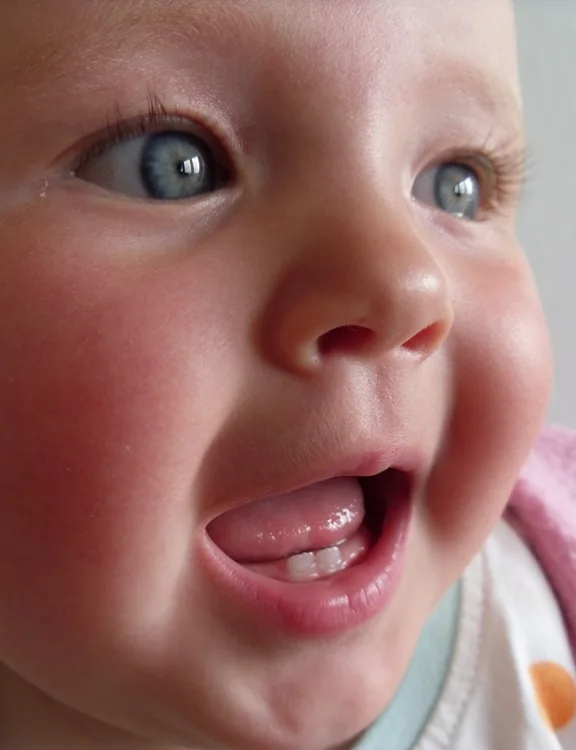
A single, unusually wide tooth in a child's mouth is often one of two related developmental variations. Here's the real difference between them.
What Is Tooth Fusion?
Fusion occurs when two separately developing tooth buds join together during formation, resulting in what appears to be one large tooth but actually represents two teeth merged into a single structure, often sharing a connected root and pulp system.
What Is Tooth Gemination?
Gemination occurs when a single tooth bud attempts to divide into two teeth but doesn't fully separate, resulting in one large tooth with a notched or partially divided crown, but originating from just one original tooth bud rather than two merging together.
How Can You Tell Fusion Apart From Gemination?
This distinction matters most for counting teeth — with fusion, the total tooth count in that area is typically one less than expected, since two teeth combined into one, while with gemination, the tooth count often remains normal, since only one original tooth bud was involved despite the unusual, larger appearance.
Are These Conditions More Common in Baby Teeth or Permanent Teeth?
Both fusion and gemination are seen in both dentitions, though they're more frequently discussed and observed in baby teeth, most commonly affecting the front teeth.
Why Do These Conditions Develop?
The exact cause isn't always clear, though genetic factors and, in some cases, physical pressure or trauma during the relevant stage of tooth development have been proposed as contributing factors.
Do Fused or Geminated Teeth Cause Any Problems?
This depends on the specific case — some cause no functional issues at all, while others can contribute to spacing or alignment concerns, given the unusual size or shape of the affected tooth relative to the space normally available.
How Are These Conditions Diagnosed?
A dentist typically identifies the unusual crown shape or size during a routine exam, with an X-ray helping determine whether it's fusion (typically showing two root and canal systems) or gemination (typically showing a single root and canal system), supporting the specific diagnosis.
Does a Fused or Geminated Baby Tooth Affect the Permanent Tooth Coming In Later?
This varies by the specific case, and your pediatric dentist monitors the developing permanent tooth or teeth in that area through periodic imaging, since the presence of a fused or geminated baby tooth can occasionally be associated with an unusual pattern in the corresponding permanent tooth or teeth as well.
Does a Fused or Geminated Tooth Need Any Specific Treatment?
Not necessarily, particularly for baby teeth expected to naturally exfoliate on their own schedule, though if there's a functional or significant cosmetic concern, or if the unusual tooth is contributing to alignment problems, your dentist may discuss reshaping through bonding, or in some cases, other management options.
Can a Fused or Geminated Permanent Tooth Be Reshaped Cosmetically?
Yes, for permanent teeth with this presentation causing a cosmetic concern, options like bonding or, for more significant cases, other restorative approaches can help improve the tooth's appearance and proportion relative to surrounding teeth.
Should Parents Be Concerned If Their Child Has an Unusually Shaped Tooth Like This?
While understandably a bit surprising to notice, this is a recognized, generally benign developmental variation, and having your pediatric dentist properly evaluate and monitor the specific tooth provides appropriate reassurance and guidance for your child's ongoing dental development.