Pediatric and Development · 8 min read
Teething: Real Symptoms, Real Remedies, and What's Just a Myth
- Written by
- 1PleasantonDentist Editorial Team, Editorial team
- Reviewed by
- Editorial team
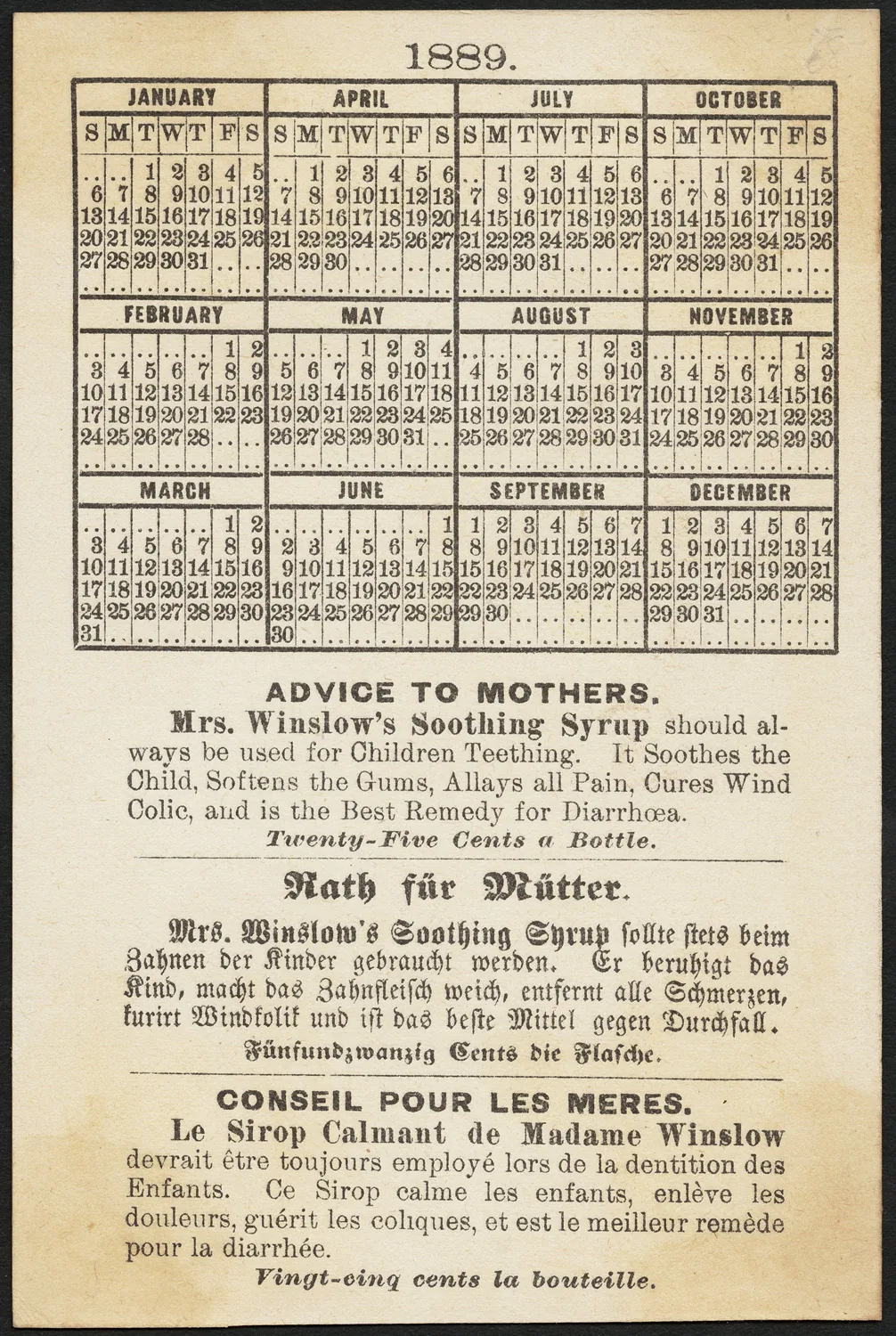
Image: Boston Public Library · BY 2.0 · Source
Teething gets blamed for a lot of unrelated symptoms. Here's what teething genuinely causes, what actually helps, and what to watch for instead.
When Does Teething Typically Start?
Most babies begin teething somewhere around six months of age, though this varies considerably, with some starting earlier and some later, and there's a wide range of what's considered normal timing for the first tooth to emerge.
What Symptoms Are Genuinely Associated With Teething?
Increased drooling, mild irritability, a tendency to chew or gnaw on objects, and some mild gum swelling or tenderness in the area where a tooth is emerging are the symptoms most consistently and directly associated with the actual process of a tooth pushing through the gum.
Why Does This Distinction Matter?
If a baby has a genuinely high fever or significant illness symptoms, assuming it's "just teething" and not seeking appropriate medical attention could mean missing an actual illness that needs its own specific care, which is exactly why understanding what teething does and doesn't typically cause matters for parents.
Safe Ways to Soothe Teething Discomfort
A clean, chilled (not frozen) teething ring or a clean, cold washcloth for the baby to chew on can provide relief. Gently rubbing the affected gum area with a clean finger can also help. For discomfort significant enough to affect sleep or feeding, discussing an appropriate infant pain reliever dosage with your pediatrician is a reasonable option.
What Teething Remedies Should Be Avoided?
Teething gels or products containing benzocaine are specifically not recommended for infants and young children due to a rare but serious risk associated with this ingredient. Amber teething necklaces are also not recommended, both due to limited evidence of effectiveness and genuine choking and strangulation risks associated with wearing something around a baby's neck.
How Long Does the Overall Teething Process Take?
The full process of all baby teeth eventually coming in typically continues over a period of about two to three years, though the discomfort associated with each individual tooth emerging is generally a much shorter window, often just a few days around when that specific tooth is actively pushing through.
Does Teething Affect Sleep?
Many parents report some sleep disruption during active teething periods, related to the discomfort involved, though this is generally temporary and tied to the specific tooth emerging rather than a prolonged, ongoing sleep issue throughout the entire teething process.
When Should You Contact a Pediatrician During Teething?
If your baby has a high fever, appears significantly unwell beyond typical mild teething irritability, has persistent diarrhea, or shows any symptoms that concern you and don't seem to fit the mild, localized discomfort typically associated with teething, contacting your pediatrician rather than assuming it's simply teething is the appropriate step.
Should Babies See a Dentist Once Teething Begins?
Many pediatric dental organizations recommend a first dental visit around the time of a baby's first birthday or shortly after their first tooth appears, establishing early dental care regardless of specific teething symptoms.
How Can You Start Cleaning Teeth as They Emerge?
Once the first tooth appears, gently cleaning it with a soft infant toothbrush or a clean, damp cloth, using a very small amount of fluoride toothpaste, begins the lifelong habit of oral hygiene from this very early stage.