Costs and Insurance · 8 min read
Dental Insurance: How It Actually Works and How to Pick a Plan
- Written by
- 1PleasantonDentist Editorial Team, Editorial team
- Reviewed by
- Editorial team
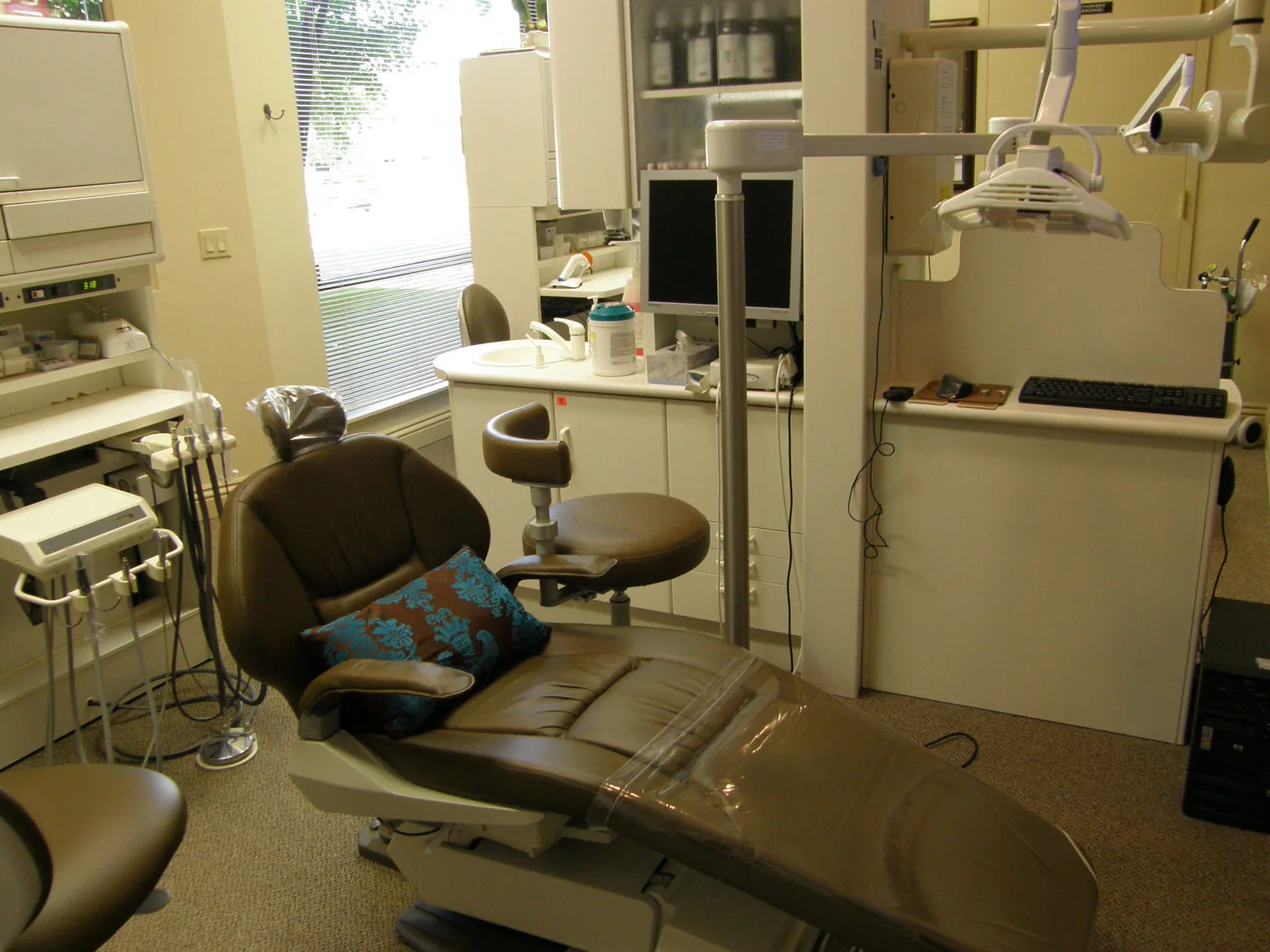
Image: Own · BY-SA 4.0 · Source
Deductibles, waiting periods, annual maximums — dental insurance has its own confusing vocabulary. Here's what it all actually means for your wallet.
How Dental Insurance Works
Most dental insurance plans work on a percentage-coverage model rather than the co-pay model common in medical insurance. Preventive care, like cleanings and exams, is often covered at or near 100%. Basic procedures, like fillings, are typically covered at a lower percentage, often around 70 to 80%. Major procedures, like crowns or root canals, are usually covered at an even lower percentage, often around 50%. You're generally responsible for whatever percentage isn't covered, in addition to any amounts beyond your plan's annual maximum.
### Insurance Networks and Plan Options
Like medical insurance, dental plans often have a network of providers who've agreed to specific negotiated rates. Staying within your plan's network typically means lower out-of-pocket costs than seeing an out-of-network provider, though some plans offer at least partial coverage for out-of-network care as well.
Key Dental Insurance Terms
### Deductible
This is the amount you pay out of pocket before your insurance starts covering its share of costs, similar in concept to a medical insurance deductible, though dental deductibles are often smaller.
### Copays and Coinsurance
Rather than a flat copay for each visit, dental insurance more commonly uses coinsurance, meaning you pay a percentage of the cost and insurance covers the rest, with the specific percentage varying by the type of procedure.
### Annual Maximums
This is the total amount your insurance will pay toward your dental care in a given year, after which you're responsible for the full cost of any additional treatment. Dental annual maximums are typically much lower than medical insurance maximums, which surprises people who need more extensive treatment within a single year.
### Waiting Periods
Some dental plans require a waiting period, often several months to a year, before certain procedures, particularly major ones, are covered at all. This is worth checking specifically if you know you'll need significant treatment soon after enrolling in a new plan.
What Dental Insurance Covers
### Preventive Dental Services
This category typically includes routine cleanings, exams, and X-rays, generally covered at the highest percentage, sometimes fully, since preventive care is cost-effective for insurers in the long run by catching problems early.
### Basic Dental Services
This usually includes fillings and simple extractions, covered at a moderate percentage, generally lower than preventive care but higher than major procedures.
### Major Dental Services
This category includes crowns, bridges, dentures, and root canals, typically covered at the lowest percentage among standard categories, reflecting their higher cost and complexity.
### Does Dental Insurance Cover Cosmetic Treatments?
Generally, no. Purely cosmetic procedures, like veneers or professional whitening done for appearance rather than a health need, are typically excluded from coverage entirely, since insurance is designed around medically necessary care rather than elective aesthetic treatment.
PPO vs. HMO Dental Plans
A dental PPO (Preferred Provider Organization) generally offers more flexibility in choosing providers, including some out-of-network coverage, though usually at a higher premium. A dental HMO typically requires you to choose from a specific network of providers with little to no out-of-network coverage, generally at a lower premium, and sometimes uses a flat-fee schedule for specific procedures rather than a percentage-based coinsurance model. Neither is universally better — the right choice depends on whether you have a preferred dentist you want to keep seeing and how much flexibility matters to you compared to a lower monthly cost.
Dental Coverage Through the Health Insurance Marketplace
### Adult and Child Dental Insurance in the Marketplace
Dental coverage through government health insurance marketplaces is generally available in two ways: bundled together with a medical health plan, or as a separate, standalone dental plan purchased independently. Coverage requirements and availability for children versus adults can differ depending on your specific state and plan options.
### Can You Cancel Marketplace Dental Coverage Separately?
This depends on whether your dental coverage is bundled with your medical plan or purchased as a standalone policy. Standalone dental plans are typically more straightforward to cancel independently, while bundled coverage may have different rules, which is worth confirming directly through your marketplace or plan administrator.
Tax Credits and Dental Insurance
Depending on how you purchase dental coverage and your income level, certain tax credits available through health insurance marketplaces may apply toward the cost of dental premiums, particularly when dental coverage is bundled with a qualifying medical plan. The specific rules and eligibility depend on your individual circumstances and are worth reviewing directly through your marketplace's resources or with a tax professional.
How to Choose the Best Dental Insurance Plan
Consider your realistic dental needs for the coming year — if you know you need significant work, a plan with a lower annual maximum might not actually save you money despite a lower premium. Compare the specific coverage percentages for the categories of care you're most likely to need, check whether your preferred dentist is in-network, and factor in any waiting periods if you anticipate needing treatment soon. The cheapest premium isn't always the plan that saves you the most money once your actual dental needs are factored in.
Frequently Asked Questions About Dental Insurance
Is there a limit to your dental benefit each year? Yes, nearly all dental insurance plans have an annual maximum, the total amount the plan will pay toward covered care in a given year. Once you reach this maximum, you're responsible for the full cost of any additional treatment for the remainder of that plan year.
Is an annual exam covered by dental insurance? Routine exams and cleanings are typically covered at or near 100% under most dental plans, since preventive care is a priority for insurers to encourage regular checkups that can catch problems early.
Can you use dental insurance immediately after enrolling? Preventive care is often available immediately or with a very short waiting period, but many plans impose longer waiting periods, sometimes six months to a year, before covering more significant procedures, particularly major services like crowns or root canals.
Why does my dental insurance only cover half the cost of a crown? Major procedures like crowns are typically covered at a lower percentage than preventive or basic care under most standard dental plans, which is a common structural feature of dental insurance generally, reflecting the higher cost of these procedures relative to your plan's overall annual maximum.
Can I have two dental insurance plans at once? Yes, this is called dual coverage, sometimes occurring when a person has coverage through their own employer as well as through a spouse's plan. When dual coverage applies, one plan is typically designated primary and the other secondary, with the secondary plan potentially covering some costs the primary plan doesn't, though the specific coordination rules vary by insurer.