General / Other · 8 min read
What to Eat After a Tooth Extraction: A Day-by-Day Guide
- Written by
- 1PleasantonDentist Editorial Team, Editorial team
- Reviewed by
- Editorial team
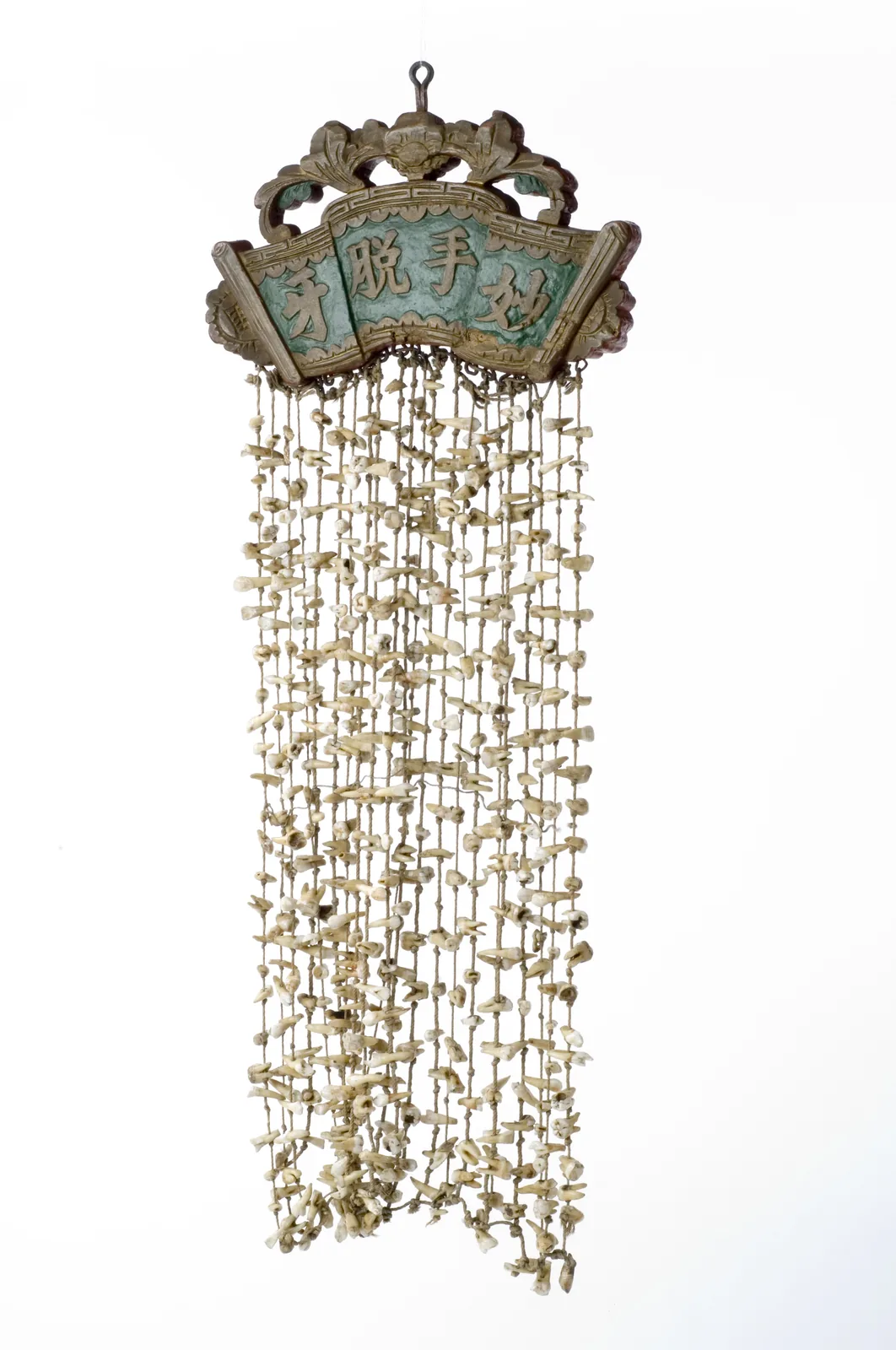
Image: <div class='fn'> Doctor's signboard hung with human teeth</div> · BY 4.0 · Source
The right foods change meaningfully as healing progresses over the days following an extraction. Here's a practical, realistic timeline to follow.
Day of Extraction
Stick to cold, liquid, or very soft foods that require no chewing at all, such as a smoothie without a straw, yogurt, or lukewarm broth, avoiding anything hot, which could increase bleeding, and avoiding straws entirely, since the suction can dislodge the crucial blood clot forming in the socket.
Why Are Straws Specifically Avoided?
The suction created by drinking through a straw can dislodge the blood clot protecting the extraction site, potentially leading to a painful complication called dry socket, making straw avoidance one of the most important, specific dietary precautions during initial healing.
Days One to Three
Continue with soft foods like mashed potatoes, applesauce, scrambled eggs, and well-cooked pasta, still avoiding the extraction site directly when chewing, and continuing to avoid straws, hot foods, and anything hard, crunchy, or chewy.
Should You Avoid Any Specific Foods During This Early Period, Even Soft Ones?
Yes, avoiding spicy or acidic foods that could irritate the healing tissue, along with tiny seeds or grains (like from bread or rice) that could get lodged in the socket, is a reasonable precaution during this early window.
Days Four to Seven
Many patients can gradually introduce slightly firmer foods during this period, such as soft-cooked vegetables or tender, well-cooked meat, though continuing to favor the non-extraction side of your mouth for chewing remains a reasonable practice as healing continues.
When Can You Return to a Fully Normal Diet?
This varies by individual healing and the specific extraction's complexity, but most people can gradually return to their normal diet within one to two weeks, with your dentist or oral surgeon providing guidance specific to your particular situation.
Should You Stay Hydrated During Recovery?
Yes, adequate hydration supports healing generally, and choosing appropriate drinking methods, avoiding straws as discussed, while staying well hydrated, is an important, ongoing part of your recovery.
Are There Foods That Specifically Support Healing?
While no specific food dramatically accelerates healing on its own, foods providing good general nutrition, including adequate protein and vitamins, support your body's normal healing processes, making a reasonably balanced approach within the texture restrictions a sensible general goal.
What Should You Do if You Accidentally Eat Something Too Hard Too Soon?
If you notice increased pain, bleeding, or discomfort after eating something that turned out to be too firm for your current healing stage, contacting your dentist to describe what happened and any symptoms you're experiencing is a reasonable, appropriate step.
Does This Timeline Apply the Same Way to Wisdom Tooth Extraction as to Other Extractions?
The general principles are similar, though wisdom tooth extraction, particularly if it was more surgically involved, may warrant a somewhat more conservative approach to timeline progression, following your oral surgeon's specific guidance for your particular procedure.
Can You Chew Gum During the Recovery Period?
This generally isn't recommended during the initial healing period, given the repetitive chewing motion and potential for accidentally placing stress on the healing extraction site.