General / Other · 8 min read
Fluoride Varnish vs. Gel vs. Foam: Does the Application Method Matter?
- Written by
- 1PleasantonDentist Editorial Team, Editorial team
- Reviewed by
- Editorial team
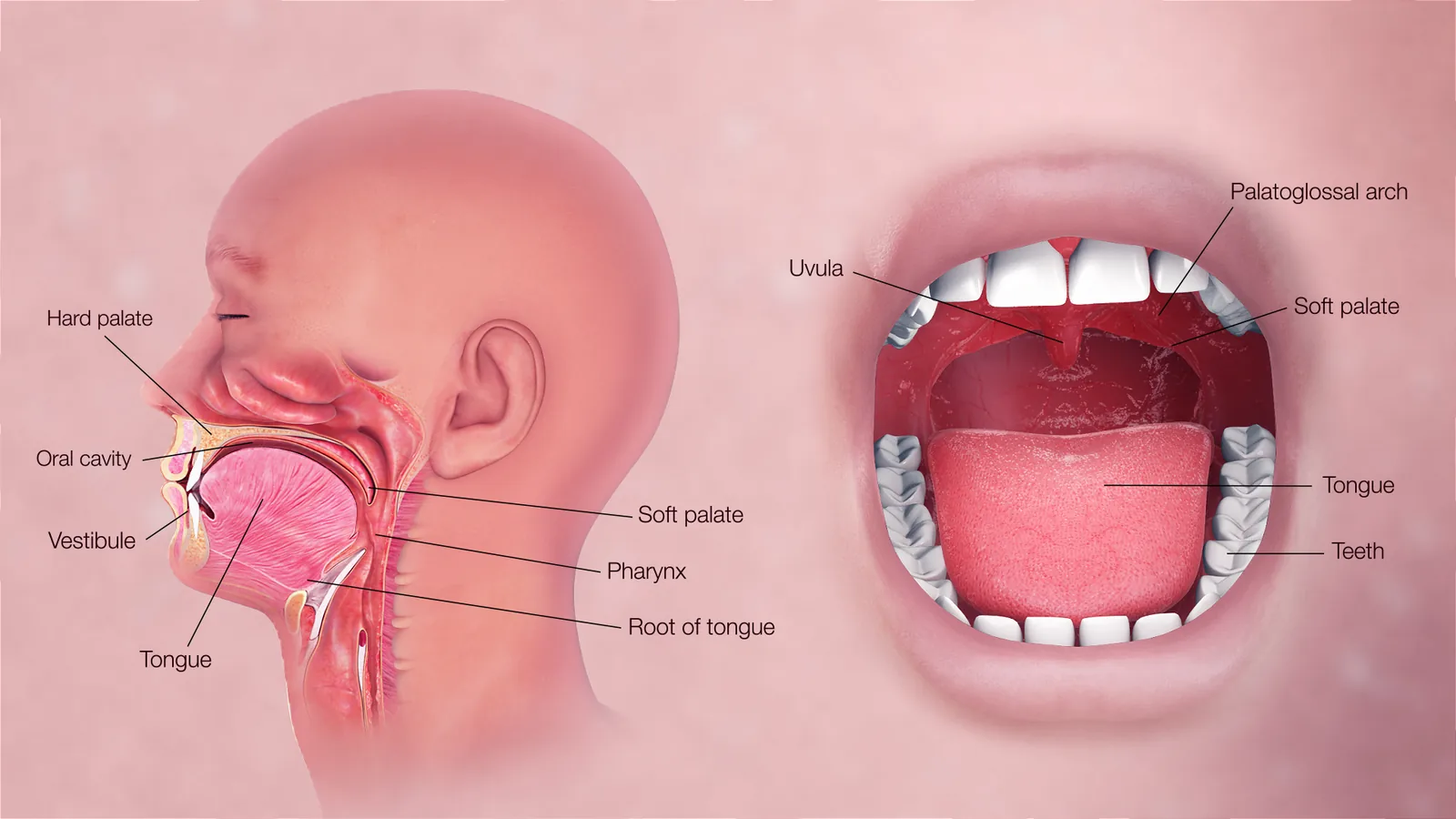
Image: https://www.scientificanimations.com · BY-SA 4.0 · Source
Professional fluoride treatments come in a few different forms, each with real practical differences in application, taste, and how long they stay on your teeth.
What Is Fluoride Varnish?
Fluoride varnish is a sticky, resin-based formulation painted directly onto teeth using a small brush, designed to adhere to the tooth surface and remain in place for several hours, allowing extended contact time for the fluoride to be absorbed.
What Is Fluoride Gel?
Fluoride gel is typically applied using a tray that fits over the teeth, held in the mouth for a specific period, usually a few minutes, allowing the gel to contact all tooth surfaces simultaneously.
What Is Fluoride Foam?
Fluoride foam is similar in application method to gel, also typically delivered via a tray, but has a lighter, foamier texture, which some patients and providers prefer for comfort and ease of use.
Which Application Method Is Most Commonly Used Today?
Varnish has become increasingly popular and widely used, particularly in pediatric dentistry, given its relative ease of application, quick application time, and good safety profile, including a lower risk of a young child accidentally swallowing a significant amount compared to a tray-based product.
Why Might a Provider Prefer Varnish Over a Tray-Based Product for Children?
Varnish is quick to apply, doesn't require a child to hold a tray in their mouth for an extended period, sets almost immediately upon contact with saliva, and carries a lower risk of significant accidental swallowing, all of which make it particularly well suited to less cooperative or very young pediatric patients.
Does the Extended Contact Time of Varnish Provide a Meaningful Advantage?
Yes, this is one of its genuine, evidence-supported benefits — since varnish adheres to the tooth and remains for several hours, it provides prolonged fluoride contact compared to the shorter, few-minute application time typical of tray-based gel or foam products.
Are Gel or Foam Treatments Still Used?
Yes, these remain used in various practice settings, and each method has a well-established track record of effectiveness for its intended purpose, with the choice sometimes coming down to provider preference and specific patient circumstances rather than one method being universally superior.
Does the Taste or Texture Differ Between These Options?
Yes, this is a genuinely relevant practical consideration for patient comfort, with varnish, gel, and foam each having their own texture and often various flavor options, and some patients or parents have a clear preference based on these practical, comfort-related factors.
How Soon After Fluoride Treatment Can You Eat or Drink?
This varies by the specific product used, with your dentist providing specific post-treatment instructions, generally involving some waiting period to allow the fluoride to be fully absorbed before eating or drinking, particularly hot foods or drinks that could affect a varnish's ability to remain in place.
Is One Method More Effective Than the Others for Actual Cavity Prevention?
Research generally supports all these methods as effective preventive tools when used appropriately, with varnish's extended contact time being a specific, notable advantage, though the overall practical differences between these options are often less significant than simply ensuring consistent, appropriate use of professional fluoride treatment generally as part of your prevention plan.
Does Insurance Typically Cover These Treatments Differently?
Coverage generally applies similarly across these different fluoride application methods, since they're all considered standard preventive treatment, though it's worth confirming your specific plan's coverage if you have questions.