General / Other · 8 min read
Knocked-Out Tooth: The Exact Steps That Actually Save It
- Written by
- 1PleasantonDentist Editorial Team, Editorial team
- Reviewed by
- Editorial team
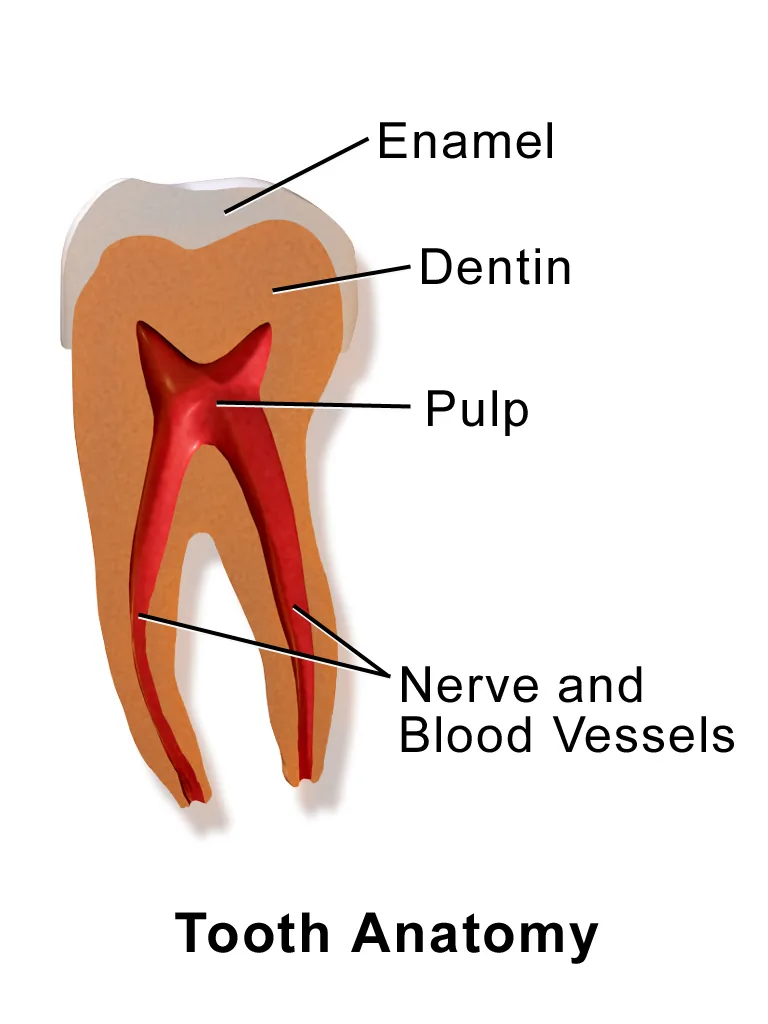
Image: BruceBlaus · BY-SA 4.0 · Source
The first thirty minutes after a tooth gets knocked out determine whether it can be saved. Here's exactly what to do, in order, right now.
Is This Actually an Emergency?
Yes. A completely knocked-out permanent tooth has the best chance of being successfully saved and reimplanted if you act within the first thirty minutes to an hour. This is not a "wait and see" situation — time is the single biggest factor in whether the tooth can be saved.
Step One: Find the Tooth and Handle It Correctly
Pick up the tooth by the crown, the white chewing part, never by the root, which is the pointed end that was inside your gum. Touching the root can damage the delicate tissue fibers still attached to it, which are important for successful reimplantation.
Step Two: Rinse It Gently If Needed
If the tooth is visibly dirty, rinse it gently with plain water or milk for a few seconds. Do not scrub it, use soap, or dry it off with a towel, all of which can damage the root surface further.
Step Three: Try to Reinsert the Tooth Into the Socket
If possible, gently place the tooth back into its socket, facing the correct direction, and have the person bite down gently on a clean cloth or gauze to help hold it in place. This is the ideal outcome if it can be done safely and without forcing it.
Step Four: If Reinsertion Isn't Possible, Keep It Moist
If you can't safely place the tooth back in the socket, keep it moist at all times. The best options are placing it in a container of milk, holding it in the mouth between the cheek and gum without swallowing it, if the person is old enough to do this safely, or using a tooth preservation product if one is available. Never let the tooth dry out, and never store it in plain water for an extended period, since water isn't ideal for preserving the root surface tissue.
Step Five: Get to a Dentist or Emergency Room Immediately
Time is critical here. The chances of successful reimplantation decrease significantly with each passing hour, which is why getting to a dentist, oral surgeon, or emergency room as quickly as possible, ideally within thirty minutes, gives the tooth the best realistic chance of being saved.
What Happens When You Get to the Dentist?
If the tooth wasn't already reinserted, your dentist or oral surgeon will clean and reposition it into the socket, then typically splint it to the neighboring teeth to hold it stable while the surrounding tissue heals over the following weeks.
Does This Apply to Baby Teeth Too?
No, baby (primary) teeth are generally not reimplanted if knocked out, since doing so can potentially damage the permanent tooth developing underneath. Still, it's worth having a pediatric dentist evaluate the area to check for any other injury.
What If the Tooth Can't Be Saved?
If too much time has passed, or the tooth or surrounding bone is too damaged for successful reimplantation, your dentist will discuss replacement options, such as an implant, bridge, or a temporary partial denture, once the injury site has healed.
Will a Reimplanted Tooth Need a Root Canal Later?
Often, yes, since the nerve and blood supply are frequently affected by the trauma, meaning root canal treatment is commonly needed at some point after a successfully reimplanted tooth has stabilized, even if the reimplantation itself is successful.
What Should You Do While Waiting for Emergency Care?
Keep the tooth moist as described above, apply a cold compress to any facial swelling, and avoid eating anything that would require using the injured area, focusing entirely on getting to appropriate care as quickly as possible rather than trying additional home remedies.