
General / Other · 8 min read
Osteomyelitis of the Jaw: A Serious Bone Infection That Needs Fast Treatment
- Written by
- 1PleasantonDentist Editorial Team, Editorial team
- Reviewed by
- Editorial team
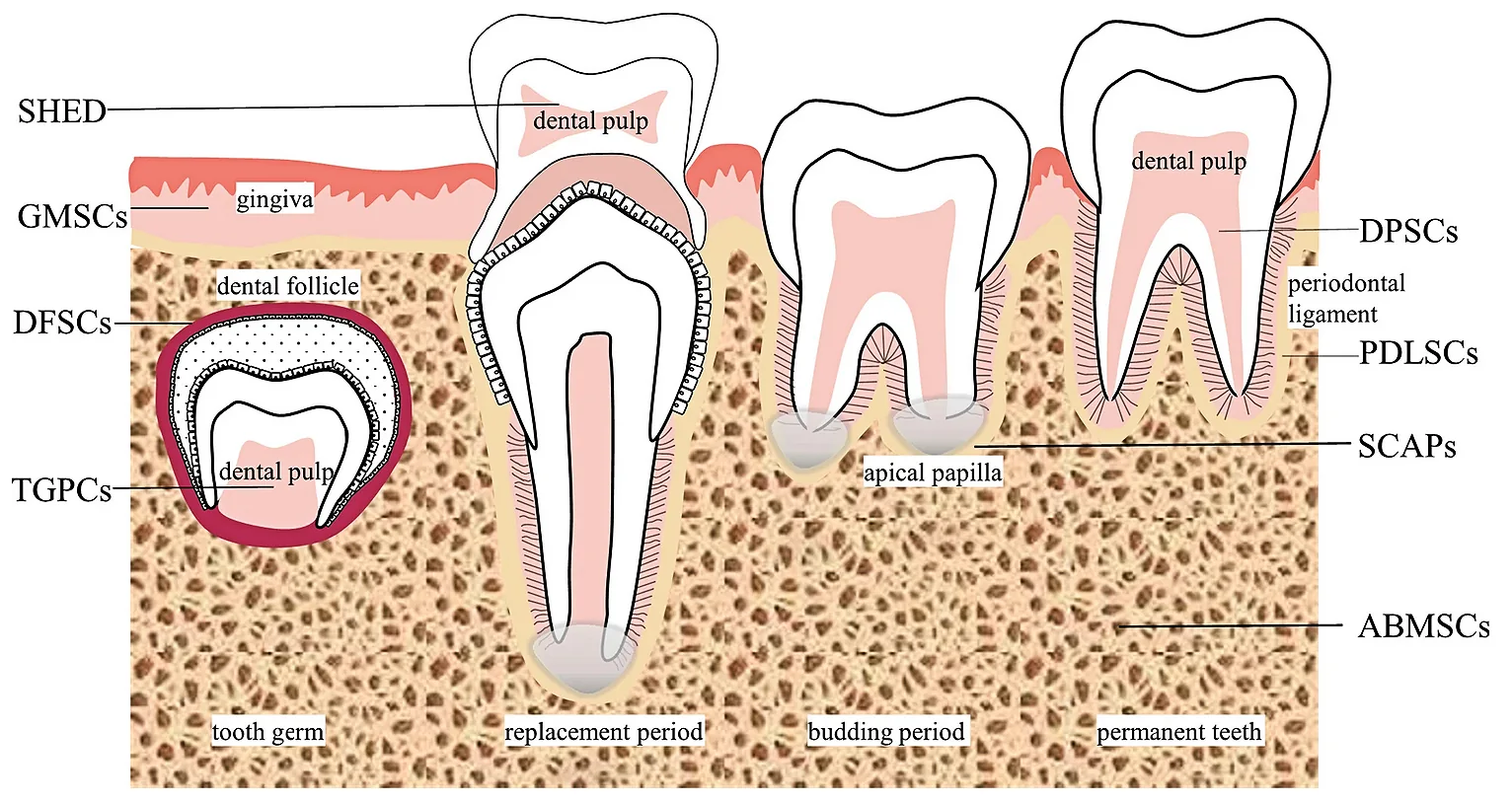
Image: Zhao, J., Zhou, YH., Zhao, YQ. et al. · BY 4.0 · Source
This deep jawbone infection is genuinely uncommon today but still occurs, usually stemming from an untreated dental infection left too long. Here's what it involves.
What Is Osteomyelitis?
Osteomyelitis is an infection of the bone itself, and when it affects the jaw specifically, it typically develops from an untreated or inadequately treated dental infection that has spread from the tooth into the surrounding bone tissue.
How Does a Tooth Infection Progress to Osteomyelitis?
An untreated infected tooth, particularly one with a significant abscess left unaddressed for an extended period, can allow bacteria to spread beyond the tooth and immediate soft tissue into the jawbone itself, where the infection can then establish and spread within the bone structure.
Is Osteomyelitis of the Jaw Common Today?
No, given modern dental care and antibiotic availability, this is considered a relatively uncommon complication compared to earlier eras, though it still occurs, particularly in situations involving prolonged untreated dental infection, certain underlying health conditions affecting immune function or blood supply, or in the context of significant jaw trauma.
What Are the Symptoms of Jaw Osteomyelitis?
Significant, persistent pain, swelling, fever, and in some cases, numbness of the lip or chin if the infection affects a nearby nerve, along with potentially loose teeth in the affected area, are characteristic symptoms of this more serious infection.
Are There Risk Factors That Make Someone More Susceptible to Osteomyelitis?
Yes, conditions affecting blood supply to the bone, including certain vascular conditions and diabetes, along with immune-compromising conditions, and in some cases, certain medications affecting bone healing, are recognized factors that can increase susceptibility to this specific complication.
How Is Jaw Osteomyelitis Diagnosed?
This involves clinical evaluation combined with imaging, such as X-rays or a CT scan, which can reveal characteristic bone changes associated with this infection, and sometimes laboratory testing to identify the specific bacteria involved and guide appropriate antibiotic treatment.
How Is Osteomyelitis of the Jaw Treated?
Treatment typically involves a course of antibiotics, often more extended than for a typical dental infection given the bone involvement, and in many cases, surgical intervention to remove infected or dead bone tissue and, if relevant, the originally causative infected tooth.
Is Hospitalization Ever Needed for This Condition?
Yes, particularly for more significant cases, hospitalization for IV antibiotics and, if needed, surgical management is common, reflecting the genuine seriousness of this specific complication compared to more routine dental infections.
Can Osteomyelitis of the Jaw Become Chronic?
Yes, in some cases, particularly if not fully resolved with initial treatment, this can become a chronic, ongoing condition requiring more extended, sometimes repeated treatment to fully address.
Does This Condition Require Long-Term Follow-Up?
Yes, given the potential for recurrence or incomplete resolution, ongoing monitoring after initial treatment, including follow-up imaging, is generally an important part of comprehensive management.
How Can Osteomyelitis of the Jaw Be Prevented?
Prompt treatment of dental infections rather than allowing them to progress untreated is the most direct, relevant preventive measure, along with managing any underlying health conditions that might increase susceptibility, in coordination with your physician.