General / Other · 8 min read
Pericoronitis: Why Partially Erupted Wisdom Teeth Get Infected So Easily
- Written by
- 1PleasantonDentist Editorial Team, Editorial team
- Reviewed by
- Editorial team
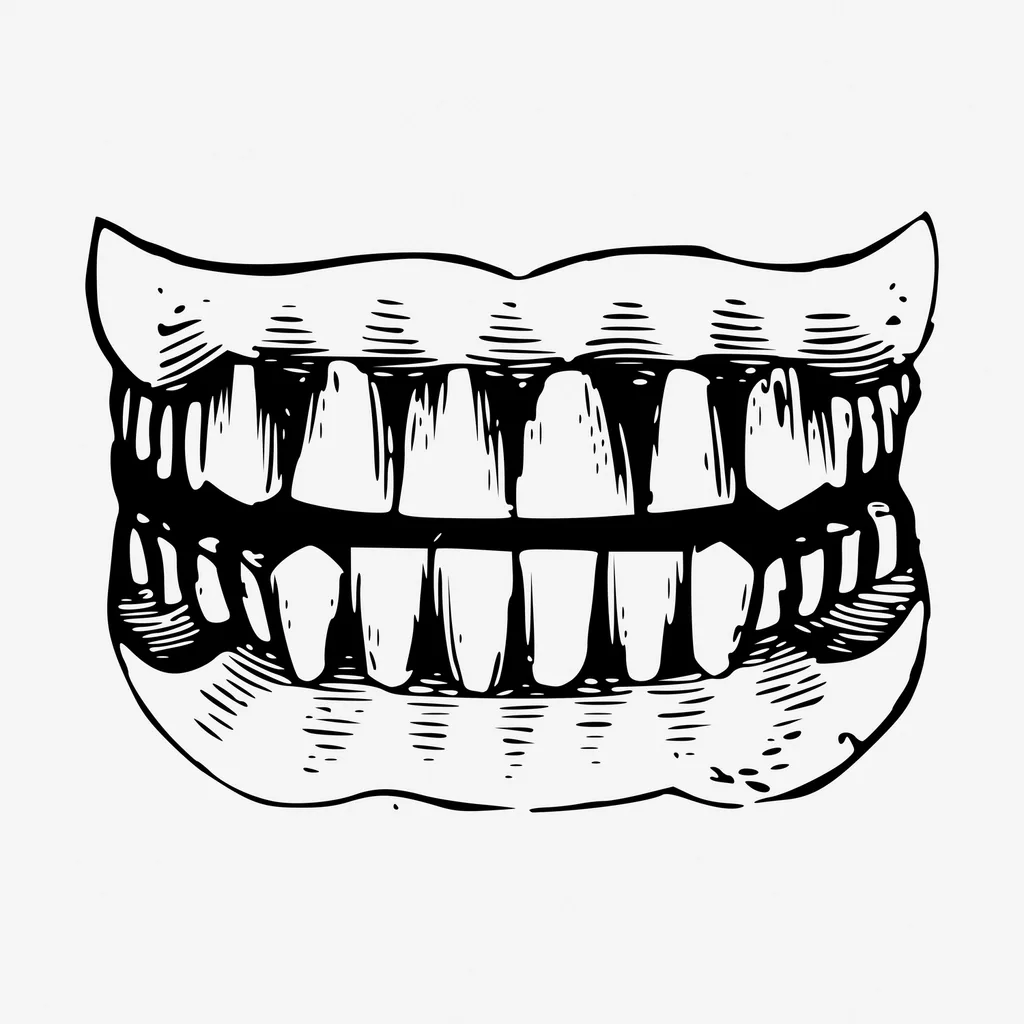
Image: Human teeth, healthy dental illustration · CC0 1.0 · Source
The gum flap over a partially emerged wisdom tooth creates a pocket that's genuinely hard to keep clean, leading to this common, painful infection.
What Is Pericoronitis?
Pericoronitis is inflammation and infection of the gum tissue surrounding a partially erupted tooth, most commonly a lower wisdom tooth, caused by bacteria and food debris becoming trapped beneath the flap of gum tissue (called an operculum) that partially covers the tooth.
Why Do Partially Erupted Wisdom Teeth Cause This So Often?
Wisdom teeth frequently don't have enough room to fully erupt, leaving them partially covered by gum tissue for an extended period, sometimes indefinitely, creating an ongoing pocket where bacteria and debris accumulate in a spot that's genuinely difficult to clean effectively even with careful brushing.
What Are the Symptoms of Pericoronitis?
Pain and swelling around the affected wisdom tooth, difficulty fully opening the mouth, a bad taste or odor coming from the area, and in more significant cases, swelling extending to the cheek or jaw, and difficulty swallowing are common symptoms.
Can Pericoronitis Cause Difficulty Opening the Mouth?
Yes, this is a genuinely characteristic symptom — significant swelling and inflammation in this area can affect the nearby jaw muscles, making it uncomfortable or difficult to open the mouth fully, sometimes called trismus.
Is Pericoronitis Dangerous?
While often manageable, untreated or more severe pericoronitis can potentially spread to surrounding tissue, and in some cases, contribute to a more significant infection requiring more urgent treatment, making prompt attention to symptoms genuinely important.
How Is Pericoronitis Treated?
Treatment typically involves thoroughly cleaning the area to remove trapped debris and bacteria, sometimes with a prescribed antiseptic rinse, and in cases with more significant infection, antibiotics. Pain relief and, in some cases, gently irrigating beneath the gum flap are also part of initial management.
Does Pericoronitis Always Require Wisdom Tooth Extraction?
Not immediately for a first, milder episode, which is often managed with cleaning and, if needed, antibiotics first. However, given the tendency for this to recur as long as the wisdom tooth remains partially erupted, extraction is commonly recommended, particularly after repeated episodes, to prevent this from becoming an ongoing problem.
Can the Overlying Gum Flap (Operculum) Be Removed Without Extracting the Tooth?
In some cases, a minor procedure to remove or trim the excess gum flap, called an operculectomy, is considered, particularly if the wisdom tooth is otherwise expected to fully erupt into a reasonable position, though this doesn't guarantee the problem won't recur if the underlying space issue persists.
What Can You Do at Home for Mild Pericoronitis Symptoms?
Gently rinsing with warm salt water to help clean the area, maintaining careful oral hygiene around the affected tooth as best as possible, and over-the-counter pain relief can help manage mild symptoms while awaiting or during a course of prescribed treatment.
Can Pericoronitis Happen More Than Once on the Same Tooth?
Yes, this is a very common pattern — as long as the wisdom tooth remains partially erupted with the overlying gum flap present, repeated episodes are genuinely likely, which is the primary reason extraction is often ultimately recommended even after a first episode resolves.
Is Pericoronitis More Common at Certain Ages?
Given its strong association with wisdom teeth specifically, this condition is most commonly seen in the age range when wisdom teeth are actively erupting, typically the late teens to early twenties.