General / Other · 8 min read
Snoring and Dental Solutions: When a Mouthpiece Is the Right Fix
- Written by
- 1PleasantonDentist Editorial Team, Editorial team
- Reviewed by
- Editorial team
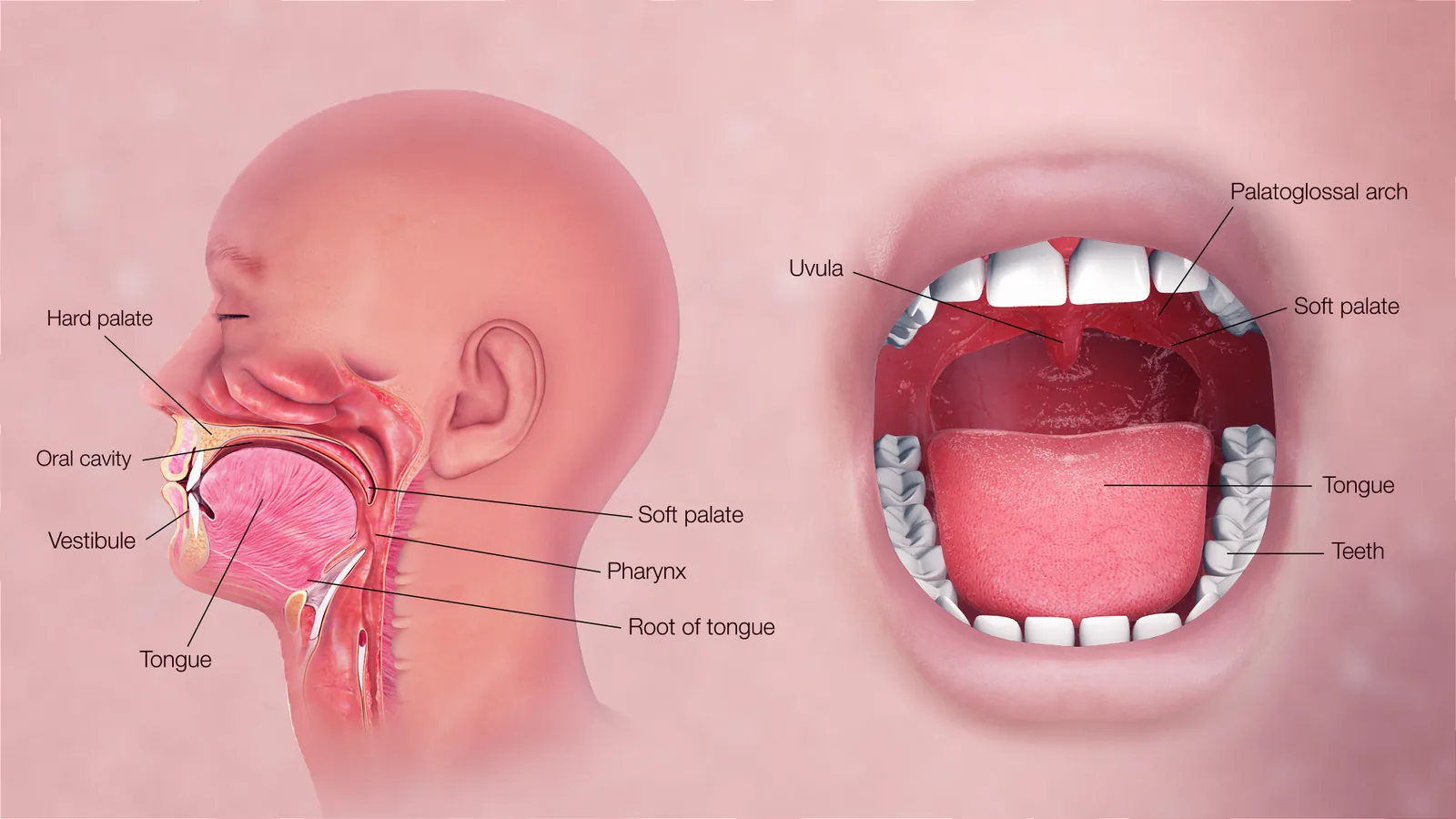
Image: https://www.scientificanimations.com · BY-SA 4.0 · Source
Not all snoring is sleep apnea, and not all snoring needs a dental device. Here's how to know if a dentist can actually help with your specific snoring.
What Causes Snoring?
Snoring occurs when airflow through the throat and mouth causes surrounding tissue to vibrate during sleep, which can result from various factors including nasal congestion, throat anatomy, sleeping position, alcohol consumption before bed, and in more significant cases, obstructive sleep apnea.
Is All Snoring a Sign of Sleep Apnea?
No, plenty of people snore without having sleep apnea, meaning snoring alone isn't automatically diagnostic of this condition, though certain patterns, including loud, frequent snoring accompanied by witnessed breathing pauses or excessive daytime tiredness, are worth having formally evaluated to rule out sleep apnea.
When Should Snoring Be Medically Evaluated Rather Than Just Managed?
If snoring is loud and frequent, if a bed partner notices pauses in breathing, or if you experience excessive daytime sleepiness despite adequate time in bed, these are signs warranting a sleep study evaluation, since these patterns are more suggestive of a genuine underlying condition like sleep apnea rather than simple, benign snoring.
How Does a Dental Anti-Snoring Device Work?
Similar in general mechanism to sleep apnea oral appliances, these devices typically reposition the jaw or tongue slightly to help reduce the airway narrowing that contributes to snoring-related vibration.
Is a Dental Device the Only Solution for Snoring?
No, other approaches, including addressing nasal congestion, adjusting sleep position, reducing alcohol consumption before bed, and in some cases, addressing weight-related factors, can all play a role depending on your specific contributing causes, meaning a dental device is one tool among several rather than the universal, automatic solution.
Should You See a Dentist or a Physician First for Snoring Concerns?
Given the importance of ruling out sleep apnea first, particularly for more significant snoring patterns, starting with a physician or sleep medicine specialist for proper evaluation, and involving a dentist trained in this specific treatment area once sleep apnea has been appropriately assessed, is generally the more appropriate sequence.
Can Nasal Strips or Other Non-Dental Products Help With Snoring?
For some people, particularly those whose snoring relates significantly to nasal congestion, over-the-counter nasal strips or other nasal-focused products can provide some benefit, representing a non-dental approach worth considering alongside or before a dental device, depending on your specific contributing factors.
Does Sleeping Position Genuinely Affect Snoring?
Yes, for many people, sleeping on your back can worsen snoring compared to sleeping on your side, related to how gravity affects throat tissue positioning during sleep, making position-focused strategies a reasonable, low-cost first approach for some people before considering a dental device.
Is a Custom Dental Anti-Snoring Device Different From an Over-the-Counter Option?
Yes, similar to the distinction with sleep apnea appliances, a custom-fitted device from a dentist is generally considered more precisely effective and comfortable than a generic, one-size-fits-all over-the-counter option, though some people do try over-the-counter options first as a lower-cost initial approach.
Can Snoring Solutions From a Dentist Also Address Bruxism if Both Are Present?
If someone has both significant snoring concerns and teeth grinding, your dentist can discuss whether a single, appropriately designed appliance might reasonably address both concerns, or whether separate devices are more appropriate for your specific combination of needs.