Dentist Types and Technology · 8 min read
Digital Dentistry: How Technology Is Actually Changing Dental Care
- Written by
- 1PleasantonDentist Editorial Team, Editorial team
- Reviewed by
- Editorial team
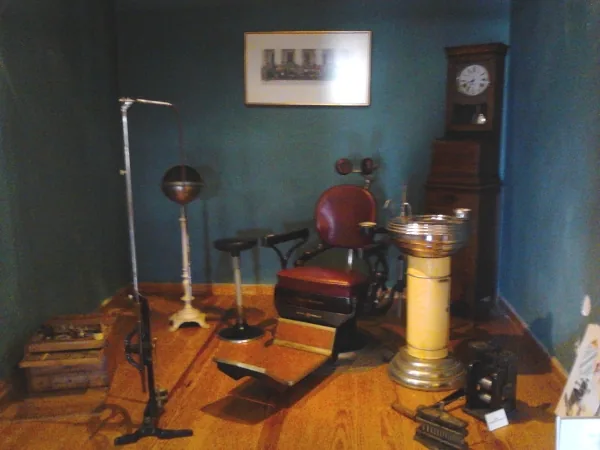
Image: The original uploader was Ανώνυμος Βικιπαιδιστής at Greek Wikipedia. · BY 3.0 · Source
Same-day crowns, 3D printing, AI diagnostics — here's what's real about digital dentistry today and what it actually means for your next appointment.
What Is Digital Dentistry?
At its core, digital dentistry covers a range of technologies including digital X-rays and 3D imaging, intraoral scanners that create digital impressions of your teeth without traditional putty, computer-assisted design and manufacturing for restorations like crowns, and increasingly, software tools that help plan complex procedures like implant placement or orthodontic treatment with greater precision than was possible with older analog methods alone.
Digital Technologies Used in Dentistry
### CAD/CAM and Same-Day Restorations
Computer-Aided Design and Computer-Aided Manufacturing technology allows a dentist to digitally design a crown or other restoration and mill it in-office using a small milling machine, sometimes completing the entire process, from scan to finished restoration, within a single appointment rather than requiring a temporary and a separate lab visit weeks later.
### 3D Printing in Dentistry
3D printing is increasingly used to create dental models, surgical guides for implant placement, and even some types of dental appliances and temporary restorations, offering speed and precision advantages over some traditional fabrication methods.
### Digital Smile Design
This uses digital imaging and software to plan and preview cosmetic dental changes before treatment begins, allowing patients to see a simulated preview of potential results and giving dentists a precise digital blueprint to guide procedures like veneers or orthodontic treatment.
### Laser Dentistry
Dental lasers are used for a range of procedures, including certain gum treatments, cavity preparation in some cases, and soft tissue procedures like gum contouring, often offering more precision and, in some applications, reduced bleeding and faster healing compared to traditional instruments.
### AI in Dentistry
Artificial intelligence tools are increasingly being explored and adopted to assist with analyzing X-rays and scans, potentially helping identify cavities, bone loss, or other issues that support a dentist's own clinical judgment, though these tools are generally designed to assist rather than replace a dentist's direct evaluation and decision-making.
The Digital Workflow in Dentistry
A modern digital workflow often starts with a digital scan or X-ray, which feeds into software used for diagnosis and treatment planning, and can extend all the way through to digitally designed and manufactured restorations, creating a more integrated, precise process compared to older methods that relied more heavily on physical impressions and manual lab work at each step.
Why Digital Dentistry Matters in Clinical Practice
### Clinical Benefits
Digital scanning is generally more comfortable for patients than traditional impression putty, and digital imaging often provides more detailed, precise information for diagnosis and treatment planning than some older imaging methods.
### Operational Efficiency
Same-day restorations reduce the number of appointments needed for certain procedures, and digital record-keeping and imaging can streamline communication between a dentist and any specialists or labs involved in a patient's care.
### Impact on Education and Future Adoption
Dental schools increasingly incorporate digital technology into training, meaning newer generations of dentists are entering practice already familiar with these tools, which is likely to continue driving broader adoption across the field over time.
Teledentistry and Virtual Consultations
Teledentistry allows for certain types of dental consultations, follow-ups, and even some triage of concerns to happen remotely through video or digital communication, which can be particularly useful for initial assessments, certain follow-up check-ins, or for patients in areas with limited access to in-person dental care. It's generally not a replacement for hands-on exams and procedures, but rather a useful supplement for specific situations where a virtual assessment is appropriate.
The Future of Dental Technology
Ongoing developments in AI-assisted diagnostics, more advanced 3D printing applications, and continued integration of digital workflows across every stage of dental care suggest the field will likely continue incorporating more technology over time, generally aimed at improving precision, patient comfort, and efficiency, though the fundamentals of good clinical judgment and hands-on care remain central to dentistry regardless of the tools involved.
Frequently Asked Questions About Digital Dentistry
Are same-day crowns as durable as traditional lab-made crowns? Same-day crowns, made using CAD/CAM technology and modern ceramic materials, are generally considered a durable, well-established option, comparable in longevity to many traditionally fabricated crowns, though the specific material and your individual bite and habits also play a role in how long any crown lasts.
Is digital dentistry more expensive than traditional methods? This varies by practice and specific procedure. Some digital technologies can reduce costs over time by decreasing the number of appointments needed, while the upfront equipment investment for practices can sometimes be reflected in pricing for certain services. It's not accurate to assume digital methods are universally more or less expensive across every type of treatment.
Can AI actually diagnose dental problems on its own? Current AI tools used in dentistry are generally designed to assist dentists by helping flag areas of concern on X-rays or scans, functioning as a supportive tool rather than an independent diagnostic system replacing a dentist's own clinical evaluation and judgment.
Do digital X-rays expose me to more radiation than traditional ones? Digital X-rays generally involve less radiation exposure than traditional film X-rays, which is one of the recognized benefits of the shift toward digital imaging in dental practices.
Is teledentistry a real substitute for an in-person dental visit? Not entirely, since many dental concerns require a hands-on exam or specific in-office procedures that can't be performed remotely. Teledentistry works well as a supplement for certain consultations, follow-ups, or initial assessments, but ongoing dental care still generally requires regular in-person visits.