Dentist Types and Technology · 8 min read
Intraoral Cameras: Why Your Dentist Wants You to See What They See
- Written by
- 1PleasantonDentist Editorial Team, Editorial team
- Reviewed by
- Editorial team
Image: Vyacheslav Argenberg · BY 4.0 · Source
That small wand-like camera lets you view your own teeth on a screen in real time. Here's what it's actually for and why it improves communication.
What Is an Intraoral Camera?
An intraoral camera is a small, wand-shaped camera, typically about the size of a large pen, that a dentist or hygienist uses inside your mouth to capture close-up, magnified images of your teeth and gums, displayed in real time on a nearby screen.
What Is the Main Purpose of This Tool?
Beyond aiding diagnosis, one of the most valuable uses of an intraoral camera is patient communication — allowing you to actually see the specific crack, area of decay, or wear your dentist is describing, rather than relying entirely on a verbal explanation of something you can't see yourself.
Does This Improve Diagnosis, Not Just Communication?
Yes, the magnification and lighting these cameras provide can help dentists spot issues, such as early cracks or small areas of concern, that might be harder to see with the naked eye alone during a standard visual exam, functioning as a genuine diagnostic aid in addition to its communication benefits.
Is Using an Intraoral Camera Uncomfortable?
No, this is a painless, quick process, generally just involving the small camera wand being moved around inside your mouth for a brief period to capture the relevant images, without any discomfort involved.
Does It Replace the Need for X-Rays?
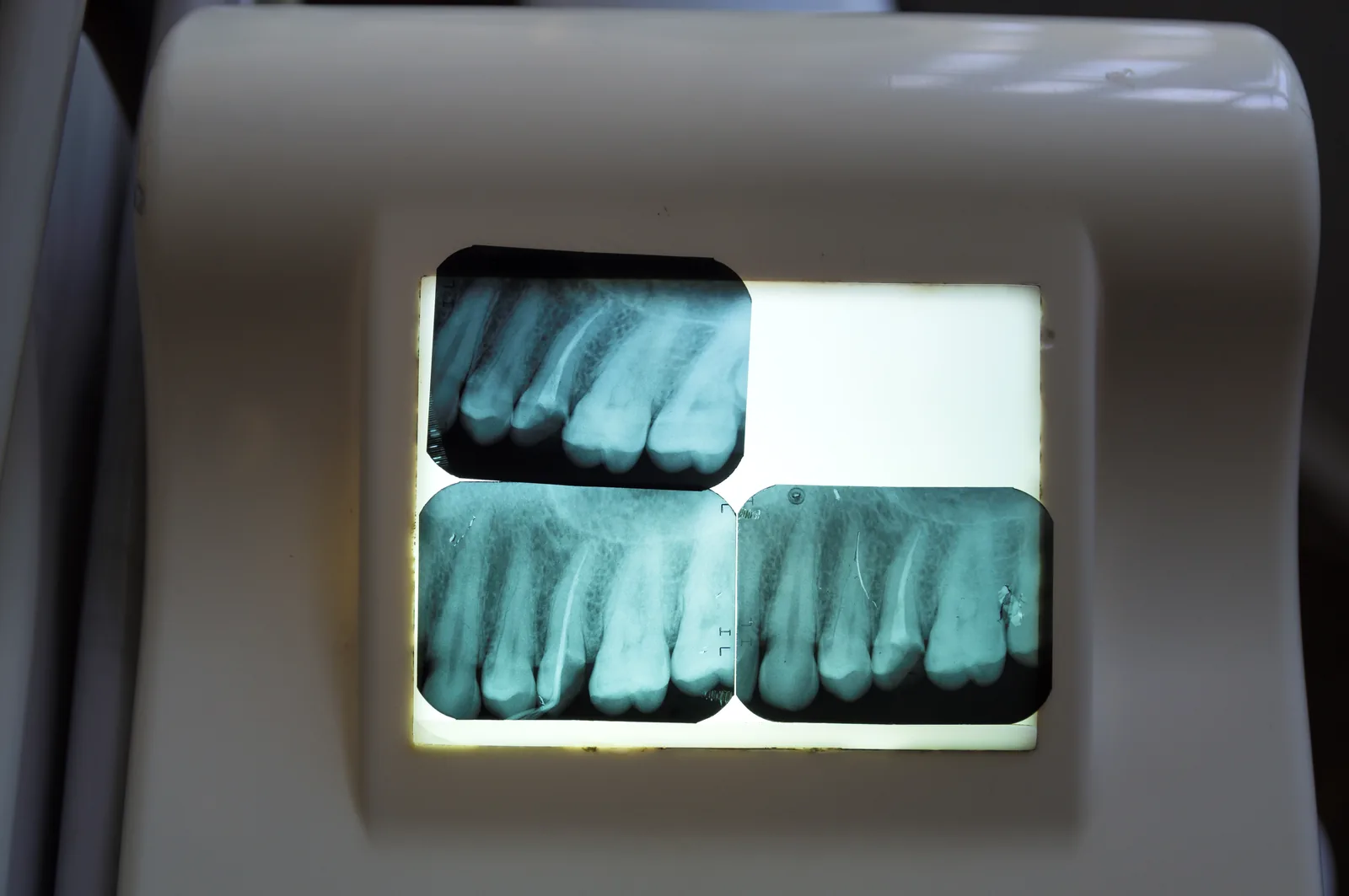
No, intraoral cameras capture surface-level images of what's visible, while X-rays reveal what's happening beneath the surface, including inside teeth and in the bone, meaning these are complementary tools serving different diagnostic purposes rather than one replacing the other.
Can You Get Copies of Your Intraoral Camera Images?
Many practices can provide copies or allow you to view the images again, and this can be a useful reference, particularly if you're getting a second opinion or want a clear record of a specific area being monitored over time.
Does Every Dental Practice Use Intraoral Cameras?
Not universally, though this has become a fairly common and accessible technology in general dental practice, making it worth asking directly if a specific practice uses this tool if seeing your own images matters to you.
How Does This Tool Help With Treatment Planning Conversations?
Being able to see the actual issue, rather than just hearing about it, can help patients feel more informed and confident in understanding why a specific treatment is being recommended, supporting a more genuinely collaborative conversation about your care.
Is There Any Additional Cost for Using an Intraoral Camera?
This is typically included as part of a standard exam at practices that use this technology, rather than being billed as a significant separate cost, though it's reasonable to ask directly if you have questions about your specific visit's billing.
Can Intraoral Cameras Help Track Changes Over Time?
Yes, since images can be saved and compared at future visits, this tool can help both you and your dentist monitor whether a specific area of concern, like an early sign of wear or a small area being watched rather than immediately treated, is changing over time.
Are Intraoral Cameras Used for Cosmetic Consultations Too?
Yes, beyond diagnostic use, these cameras can help during cosmetic treatment planning conversations, allowing you to see specific areas relevant to a proposed cosmetic change up close before deciding on treatment.