Dentist Types and Technology · 8 min read
Losing Baby Teeth: What's Normal and What Warrants a Dentist Visit
- Written by
- 1PleasantonDentist Editorial Team, Editorial team
- Reviewed by
- Editorial team
Image: Bin im Garten · BY-SA 3.0 · Source
Baby teeth are supposed to get wiggly and fall out on their own timeline. Here's how to tell normal exfoliation from something worth checking.
What Causes a Baby Tooth to Become Loose?
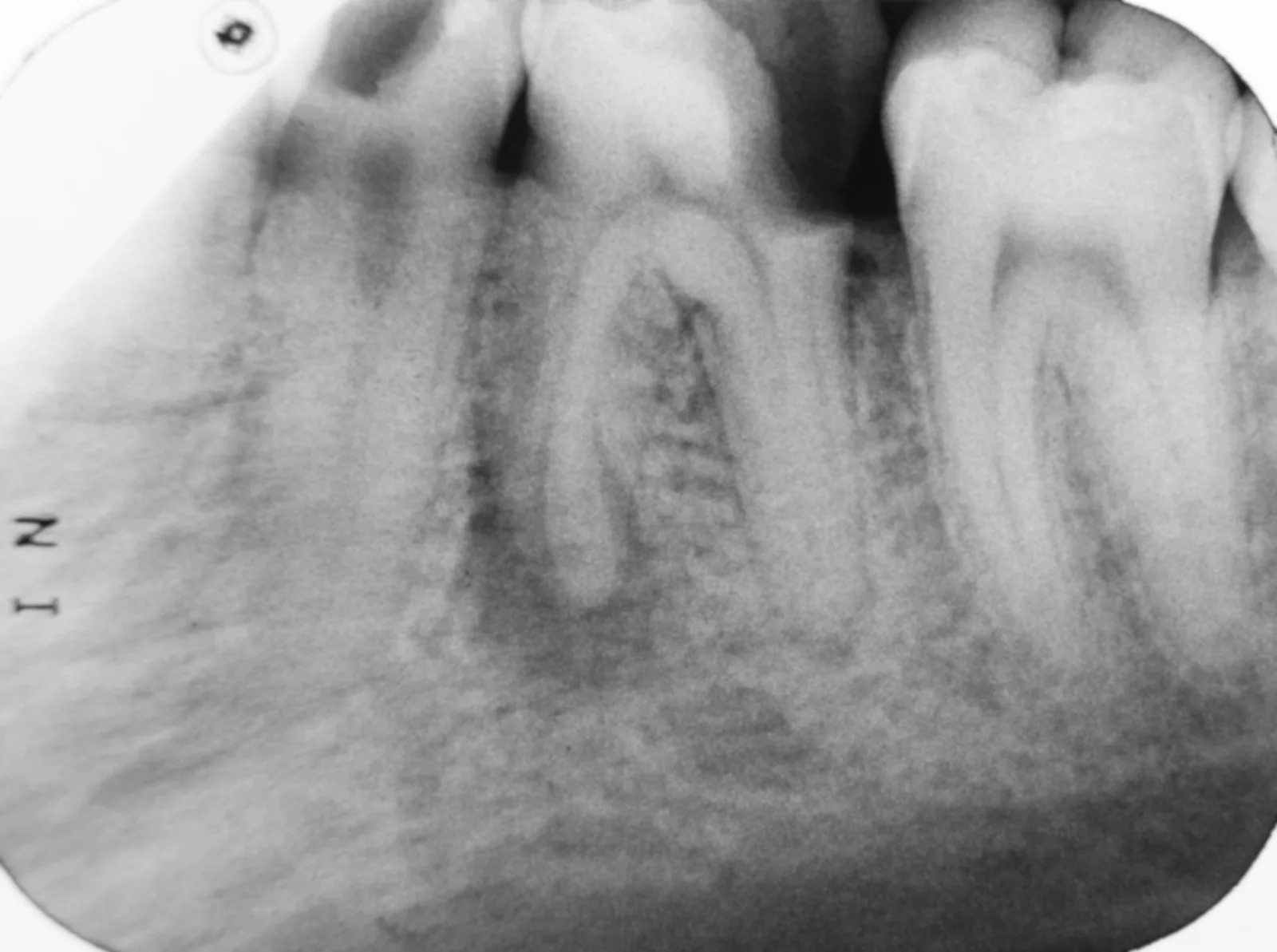
As the corresponding permanent tooth develops and prepares to emerge, it gradually resorbs the root of the baby tooth above it, meaning the baby tooth loses its anchoring structure over time, eventually becoming loose enough to fall out on its own.
What Age Does Losing Baby Teeth Typically Start?
This generally begins around age five to six, corresponding with when the first permanent teeth are ready to emerge, though as with most developmental timelines, some individual variation in exact timing is normal.
Is It Normal for a Loose Tooth to Take Weeks to Actually Fall Out?
Yes, this gradual loosening process, sometimes extending over several weeks before the tooth finally comes out, is a normal part of the process, and there's generally no need to rush or force a tooth out before it's genuinely ready.
Should Parents Help Pull Out a Loose Baby Tooth?
Gently wiggling a tooth that's clearly very loose and close to coming out on its own is generally fine, but forcefully pulling a tooth that's still firmly attached isn't recommended, since this can cause unnecessary pain or potentially affect the developing permanent tooth or surrounding tissue.
What If a Baby Tooth Falls Out Much Earlier Than Expected?
Premature loss, whether from injury or untreated decay, is different from natural exfoliation, and this situation often warrants a space maintainer to preserve spacing until the permanent tooth is naturally ready to emerge, since early loss without this intervention can allow neighboring teeth to shift into the space.
What If a Baby Tooth Seems Loose Much Earlier Than Expected?
Unless there's a clear cause like an injury, a baby tooth becoming loose significantly earlier than the typical age range is worth mentioning to your pediatric dentist, since this could occasionally indicate an underlying issue worth evaluating.
What Is "Shark Teeth" and Is It Concerning?
This common term describes a situation where a permanent tooth begins emerging behind a baby tooth that hasn't yet fallen out, creating a double row appearance similar to how sharks continuously grow new teeth. This is actually a fairly common, generally self-correcting situation, since the pressure from the permanent tooth as it continues emerging often naturally helps loosen and push out the baby tooth in front of it.
When Should Shark Teeth Be Evaluated by a Dentist?
If the baby tooth doesn't fall out naturally within a reasonable time after the permanent tooth becomes visible behind it, typically a matter of weeks to a couple of months, your pediatric dentist may recommend extracting the baby tooth to allow the permanent tooth room to move into its proper position.
Can a Baby Tooth Fail to Fall Out Even Without a Permanent Tooth Visibly Emerging Behind It?
Yes, in some cases, a baby tooth can remain firmly in place well past the typical age, sometimes because the corresponding permanent tooth is missing entirely, impacted, or taking an unusual developmental path, which is exactly the kind of situation an X-ray can help identify.
Is Bleeding Normal When a Baby Tooth Falls Out?
A small amount of bleeding when a tooth naturally falls out is common and generally resolves quickly with gentle pressure using clean gauze, similar to the minor bleeding expected after any tooth naturally exfoliates.
When Should You Contact a Pediatric Dentist About Tooth Loss Timing?
If a child has lost significantly more or fewer teeth than expected for their age, if a permanent tooth doesn't appear within a reasonable time after a baby tooth falls out, or if you notice anything about the process that seems unusual or concerning, these are all reasonable reasons to schedule an evaluation.