Dentist Types and Technology · 8 min read
Teledentistry: What a Virtual Dental Visit Can and Can't Do
- Written by
- 1PleasantonDentist Editorial Team, Editorial team
- Reviewed by
- Editorial team
Image: Vyacheslav Argenberg · BY 4.0 · Source
Video consultations are now a real part of dental care, but they have real limits. Here's exactly what teledentistry is useful for and what it isn't.
What Is Teledentistry?
Teledentistry uses video calls, photos, and digital communication to provide certain dental consultations, assessments, and follow-up care remotely, without requiring an in-person office visit for that specific interaction.
What Can Teledentistry Actually Handle?
Initial consultations to discuss a concern and determine next steps, triage of a dental issue to assess urgency, certain follow-up check-ins after a procedure, and some patient education and guidance are all reasonable, well-suited uses for a virtual dental visit.
What Teledentistry Generally Can't Do
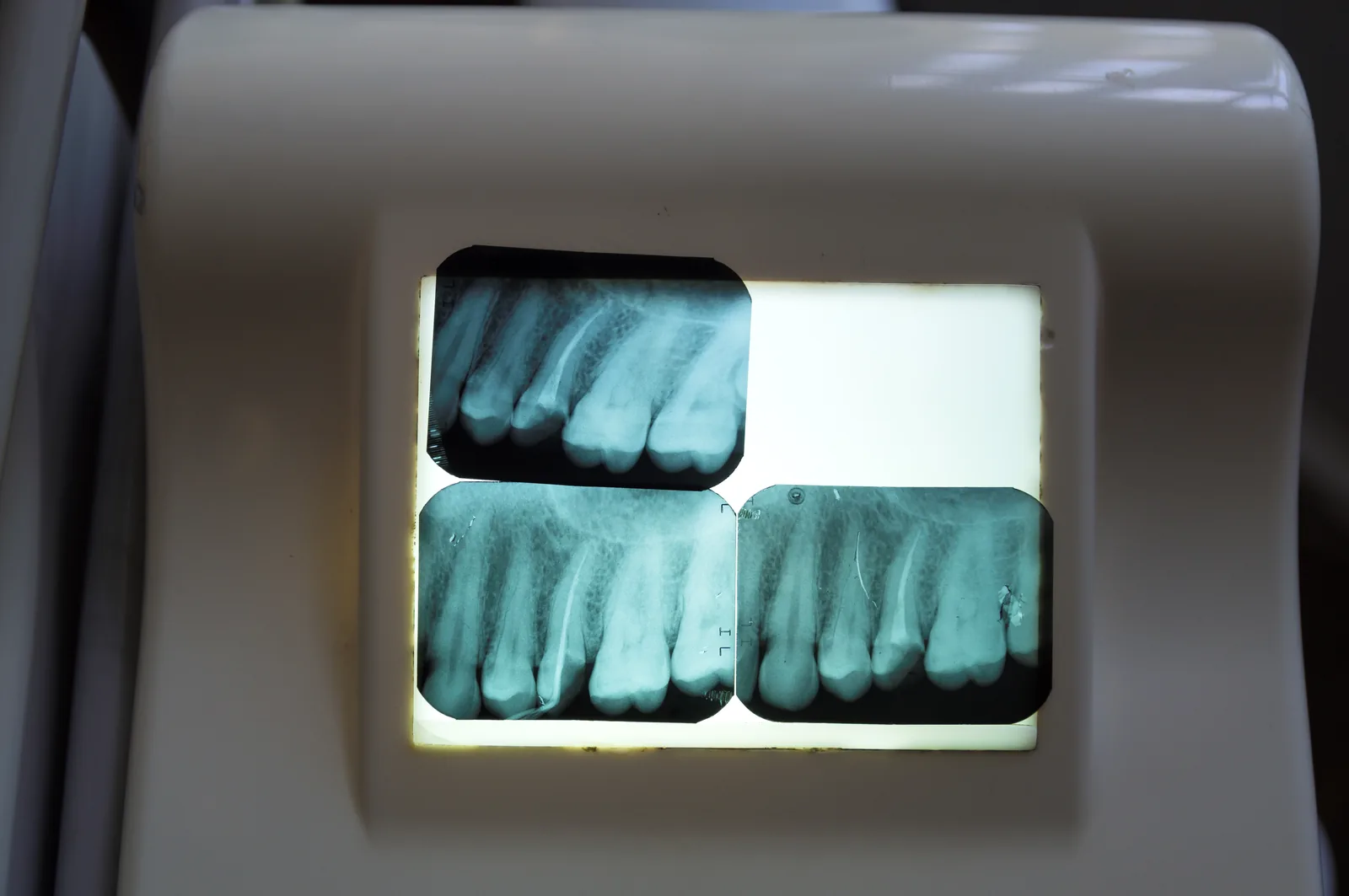
Any procedure requiring hands-on treatment, X-rays, physical examination with dental instruments, or direct manipulation of your teeth and gums obviously can't happen through a screen. Teledentistry is a tool for certain types of communication and assessment, not a substitute for the physical aspects of dental care.
How Does a Typical Teledentistry Visit Work?
You typically connect with a dentist through a video call, sometimes supplementing the conversation with photos you've taken of the area of concern, and the dentist assesses what they can see and hear about your symptoms to provide guidance, which might include recommending an in-person visit, suggesting interim self-care steps, or occasionally prescribing medication if appropriate for the situation.
Can a Dentist Diagnose a Cavity Through a Video Call?
Not reliably in most cases, since diagnosing a cavity, particularly one between teeth or not visible on the surface, typically requires an in-person exam and often an X-ray, which teledentistry can't provide. A virtual visit might help triage whether a suspected issue seems urgent, but it generally can't provide a definitive diagnosis for something like this.
When Is Teledentistry Genuinely Useful?
For a quick assessment of whether a dental concern seems urgent enough to warrant an emergency visit, for follow-up questions after a recent procedure, for general oral health guidance, or for patients in areas with limited access to in-person dental care as a way to at least get some initial professional input, teledentistry provides real, practical value.
Is Teledentistry Covered by Insurance?
Coverage varies by specific insurance plan and by the type of teledentistry service used, and it's worth checking with your insurer directly whether virtual dental consultations are covered under your specific plan, since this isn't universal across all policies.
Can Teledentistry Help With a Dental Emergency?
It can help you assess whether your situation seems urgent and guide you toward appropriate next steps, but for genuine emergencies like a knocked-out tooth, significant bleeding, or facial swelling, in-person or emergency care remains necessary rather than relying solely on a virtual assessment.
Is Teledentistry a Good Fit for Routine Checkups?
No, routine checkups and cleanings require hands-on examination and professional cleaning tools that can't be replicated remotely, meaning teledentistry doesn't replace the need for regular in-person preventive care visits.
How Is Patient Privacy Handled During Teledentistry Visits?
Reputable teledentistry platforms use secure, compliant video and communication systems designed to protect patient privacy similarly to how other telehealth services are structured, which is worth confirming if you're using a platform you're not already familiar with through your regular dental provider.