Dental Implants · 8 min read
All-on-4 Recovery Timeline: Week by Week, What to Actually Expect
- Written by
- 1PleasantonDentist Editorial Team, Editorial team
- Reviewed by
- Editorial team
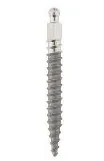
Image: Roderick Dailey · BY-SA 3.0 · Source
Recovery isn't one single phase — it happens in stages. Here's a realistic week-by-week breakdown of All-on-4 recovery from surgery to final teeth.
The First 24 to 48 Hours
This is generally the most acute phase, with swelling, some bleeding, and discomfort typically peaking within the first day or two after surgery. Rest, prescribed pain management, and sticking closely to a liquid or very soft diet are the main priorities during this window.
Days 3 to 7
Swelling often continues for several more days before beginning to noticeably improve, sometimes even appearing to peak around day two or three before gradually subsiding. Most people can return to light daily activities during this period, though strenuous exercise is generally still restricted, and a soft food diet remains important.
Weeks 2 to 3
Most of the visible swelling and bruising has typically resolved by this point, and many people feel comfortable resuming most normal daily activities, including returning to work for those with less physically demanding jobs. The temporary bridge should be feeling more comfortable, though a soft-to-moderate diet is often still recommended.
Weeks 4 to 8
Initial soft tissue healing is generally complete, though the deeper process of osseointegration, the implants fusing with the jawbone, continues well beyond this point. Diet may gradually expand further based on your surgeon's specific guidance, though caution around very hard or chewy foods generally continues throughout this phase.
Months 3 to 6
This is typically when full osseointegration is confirmed, through follow-up imaging and clinical evaluation, marking the point where the implants are considered stable enough to support the final, permanent restoration rather than the temporary bridge.
Placement of the Final Restoration
Once healing is confirmed, the temporary bridge is replaced with your final, permanent restoration, which is generally designed to handle full normal biting and chewing force, unlike the more limited-force temporary you've been wearing throughout the healing period.
Does Every Patient Follow This Exact Timeline?
No, individual healing varies based on factors including overall health, whether bone grafting was needed, smoking status, and how well post-operative instructions are followed, meaning your specific surgeon's guidance for your case takes priority over any general timeline.
What Slows Down Recovery?
Smoking is one of the most significant factors that can extend healing time and increase complication risk. Poorly controlled diabetes, not following dietary restrictions, and inconsistent oral hygiene during healing can all also negatively affect your specific recovery timeline.
Managing Discomfort Throughout Recovery
Following your prescribed pain management plan, using cold compresses as directed in the initial days, and communicating with your surgical team if discomfort seems to be worsening rather than gradually improving all support a smoother experience throughout the process.
Diet Progression Throughout Recovery
Most plans start with liquids immediately after surgery, progressing to very soft foods like mashed potatoes, yogurt, and soups over the following days to weeks, gradually advancing to a more moderate, though still cautious, diet as healing progresses, with your surgeon providing guidance on when specific food textures become appropriate.
When Can You Return to Exercise?
Light activity is often reasonable within the first week, but more strenuous exercise, particularly anything involving significant physical exertion or risk of impact to the face, is generally restricted for a longer period, with your surgeon providing specific guidance based on your individual healing.