
Dental Implants · 8 min read
Basal Implants: The Alternative Approach for Severe Bone Loss
- Written by
- 1PleasantonDentist Editorial Team, Editorial team
- Reviewed by
- Editorial team
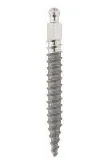
Image: Roderick Dailey · BY-SA 3.0 · Source
This less mainstream implant technique anchors into deeper, denser bone using a different design, offered as an alternative when conventional implants aren't viable.
What Are Basal Implants?
Basal implants are a specific implant design intended to anchor into deeper, denser basal bone rather than the more superficial bone typically used for conventional implants, using a different shape, often featuring a wider plate-like base or specific threading, designed to gain stability in bone that might not adequately support a standard implant.
How Do Basal Implants Differ From Standard (Endosteal) Implants?
Standard endosteal implants, discussed in more detail elsewhere, are typically screw-shaped and placed into the upper portion of the jawbone, while basal implant designs aim to reach and anchor into deeper, often denser bone layers, theoretically allowing placement in situations with more limited superficial bone volume without necessarily requiring bone grafting first.
What Situations Are Basal Implants Sometimes Proposed For?
This approach is sometimes discussed for patients with significant bone loss who might otherwise need extensive bone grafting before conventional implants, or who are looking for an alternative to zygomatic implants, another approach discussed elsewhere for severe upper jaw bone loss.
Is Basal Implant Treatment Widely Accepted Within Mainstream Implant Dentistry?
This is an important, honest point to understand — basal implants occupy a less mainstream, more debated position within implant dentistry compared to conventional approaches, with some practitioners specifically offering this technique while broader professional consensus and long-term research remain less extensive compared to well-established conventional implant approaches.
Why Does This More Limited Mainstream Acceptance Matter for Patients Considering This Option?
Given the less extensive research base and more limited broader professional consensus, patients considering this approach should understand it differently than a well-established, universally accepted technique, making thorough research into a specific provider's experience and outcomes, and potentially seeking a second opinion from a provider using more conventional approaches, particularly important.
Does Basal Implant Placement Avoid the Need for Bone Grafting?
This is often part of how this approach is marketed, aiming to anchor in existing deeper bone rather than requiring grafting first, though whether this genuinely provides comparable long-term stability to a properly grafted site supporting a conventional implant is part of the ongoing, less settled discussion around this technique.
Are Basal Implants Sometimes Loaded (Restored With a Crown) More Quickly Than Conventional Implants?
Yes, immediate or near-immediate loading is sometimes specifically offered with basal implant approaches, similar in concept to the immediate loading discussed elsewhere for appropriately selected conventional implant cases, though this specific application to basal implants carries the same broader consideration about the technique's overall evidence base.
Should You Get a Second Opinion Before Pursuing Basal Implant Treatment?
Yes, given the less mainstream status of this specific technique, seeking a second opinion, ideally from a provider experienced in conventional implant approaches, helps you understand whether your specific situation might also be addressed through a more established technique, giving you a more complete picture before deciding.
What Questions Should You Ask a Provider Offering Basal Implants?
Asking about their specific training and experience with this particular technique, their own long-term outcome data, why they're recommending this over a conventional approach for your specific situation, and what would happen if complications arose are all reasonable, important questions.
Is Basal Implant Treatment More or Less Expensive Than Conventional Implants With Grafting?
This varies by provider and specific case, and while avoiding a separate bone grafting procedure could theoretically reduce some costs, this shouldn't be the primary factor in your decision given the more significant considerations around technique acceptance and long-term evidence discussed here.