
Dental Implants · 8 min read
Dental Bridge vs. Implant: A Direct, Honest Comparison
- Written by
- 1PleasantonDentist Editorial Team, Editorial team
- Reviewed by
- Editorial team
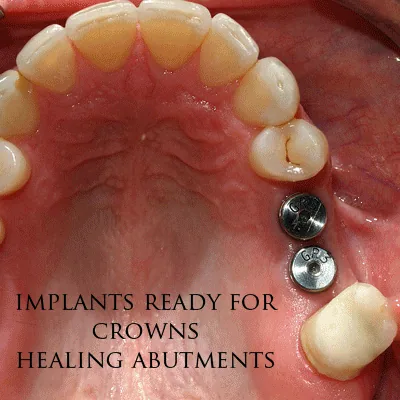
Image: Coronation Dental Specialty Group[1] · BY-SA 3.0 · Source
Both fill a gap, but they work completely differently underneath. Here's a real, side-by-side look at cost, timeline, and long-term durability.
How Each Option Actually Works
A bridge fills the gap using a false tooth anchored by crowns placed on the natural teeth on either side. An implant replaces the missing tooth with a titanium or zirconia post placed directly into the jawbone, standing entirely on its own without touching or relying on neighboring teeth at all.
Impact on Neighboring Teeth
This is one of the most significant differences. A bridge requires permanently reshaping the two healthy teeth next to the gap to support crowns, which is an irreversible alteration to teeth that may have been perfectly healthy before. An implant doesn't touch neighboring teeth in any way, leaving them completely unaltered.
Treatment Timeline
A bridge is typically completed within a few weeks, across two or three appointments. An implant takes considerably longer overall, often several months from placement to final crown, due to the healing time needed for the implant to fuse with the jawbone.
Surgical Involvement
A bridge doesn't require any surgery, since it's built around your existing natural teeth. An implant requires a surgical procedure to place the post into the jawbone, which some people prefer to avoid if a reasonable non-surgical alternative exists for their situation.
Long-Term Durability
With good care, a bridge typically lasts ten to fifteen years before needing replacement. An implant, once fully healed, often lasts decades, sometimes a lifetime, making it generally the more durable long-term option, though this comes with the higher upfront cost and longer initial treatment timeline.
Bone Preservation
An implant, because it's anchored in the jawbone the way a natural tooth root was, helps stimulate and preserve the bone in that area over time. A bridge sits above the gum and doesn't provide this same stimulation, meaning some degree of bone loss under the pontic (false tooth) area can continue even after the bridge is placed.
Cost Comparison
A bridge is often less expensive upfront than an implant, reflecting the shorter treatment timeline and lack of surgical placement. An implant typically costs more initially but, factoring in a bridge's shorter lifespan and potential eventual need for replacement, the long-term cost comparison over many years is closer than the upfront numbers alone suggest.
Who Is a Better Candidate for Each?
A bridge might make more practical sense if your neighboring teeth already have significant fillings or existing crowns and would benefit from new crowns anyway, if you want treatment completed quickly, or if you'd prefer to avoid surgery. An implant might make more sense if your neighboring teeth are perfectly healthy and you'd rather not alter them, if you're prioritizing long-term durability over a faster timeline, and if you're medically a good candidate for the surgical procedure involved.
What If I'm Not a Candidate for an Implant?
Insufficient bone volume, certain uncontrolled health conditions, or a preference to avoid surgery for personal reasons can all make a bridge the more practical choice, even if an implant might otherwise be considered the "gold standard" option in the abstract for a given situation.
Can You Change Your Mind Later?
If you start with a bridge and later want an implant instead, this is often possible, though it depends on the condition of the teeth that were used to anchor the bridge and the bone available at the gap site by that point. If you start with an implant, switching to a bridge later is less common, since there's typically no reason to move away from a well-functioning implant toward a bridge.