Dental Implants · 8 min read
Dental Care for Seniors: What Actually Changes as You Age
- Written by
- 1PleasantonDentist Editorial Team, Editorial team
- Reviewed by
- Editorial team
Image: Zypcu · BY-SA 3.0 · Source
Older adults face a genuinely different set of dental risk factors than younger patients. Here's a realistic overview of what to prioritize.
How Does Cavity Risk Change With Age?
Older adults face an elevated risk of root surface cavities specifically, since gum recession, which becomes more common with age, exposes root surfaces that are softer and more vulnerable to decay than the harder enamel covering the rest of the tooth.
Why Is Dry Mouth More Common in Older Adults?
This is often related to the higher likelihood of taking multiple medications, many of which list dry mouth as a side effect, rather than aging itself directly reducing saliva production, making medication review with both your physician and dentist relevant as you take on more prescriptions over time.
Does Gum Disease Risk Change With Age?
Cumulative exposure to risk factors over a longer lifetime, along with age-related changes to immune function and the potential for less consistent oral hygiene due to physical changes like reduced dexterity, can contribute to an elevated gum disease risk in older populations.
Are Older Adults More Likely to Need Restorative or Replacement Treatment?
Yes, given the cumulative effect of decades of wear, previous dental work reaching the end of its lifespan, and higher rates of tooth loss in this population, restorative treatments like crowns, bridges, dentures, or implants become more commonly relevant considerations.
Does Age Itself Prevent Someone From Getting Dental Implants?
No, there's no upper age limit for implants — overall health and bone condition are what matter, meaning many older adults are entirely appropriate candidates for implant treatment when their specific health situation supports it.
How Do Chronic Health Conditions Factor Into Senior Dental Care?
Many older adults manage chronic conditions like diabetes, heart disease, or osteoporosis, all of which have documented relevance to dental treatment planning, making thorough communication between your dental and medical providers particularly important at this life stage.
Can Physical Changes Make Oral Hygiene More Challenging?
Yes, conditions like arthritis affecting hand dexterity can make thorough brushing and flossing more physically difficult, and your dentist can recommend adapted tools, like an electric toothbrush or a floss holder, to help maintain effective hygiene despite these physical changes.
How Does Medicare Factor Into Senior Dental Planning?
Original Medicare generally doesn't cover routine dental care, which is a significant gap many people don't anticipate before reaching this life stage, making it worth exploring Medicare Advantage plans with dental benefits, standalone dental insurance, or other options well before this coverage gap becomes an urgent concern.
Are There Specific Considerations for Seniors With Dentures?
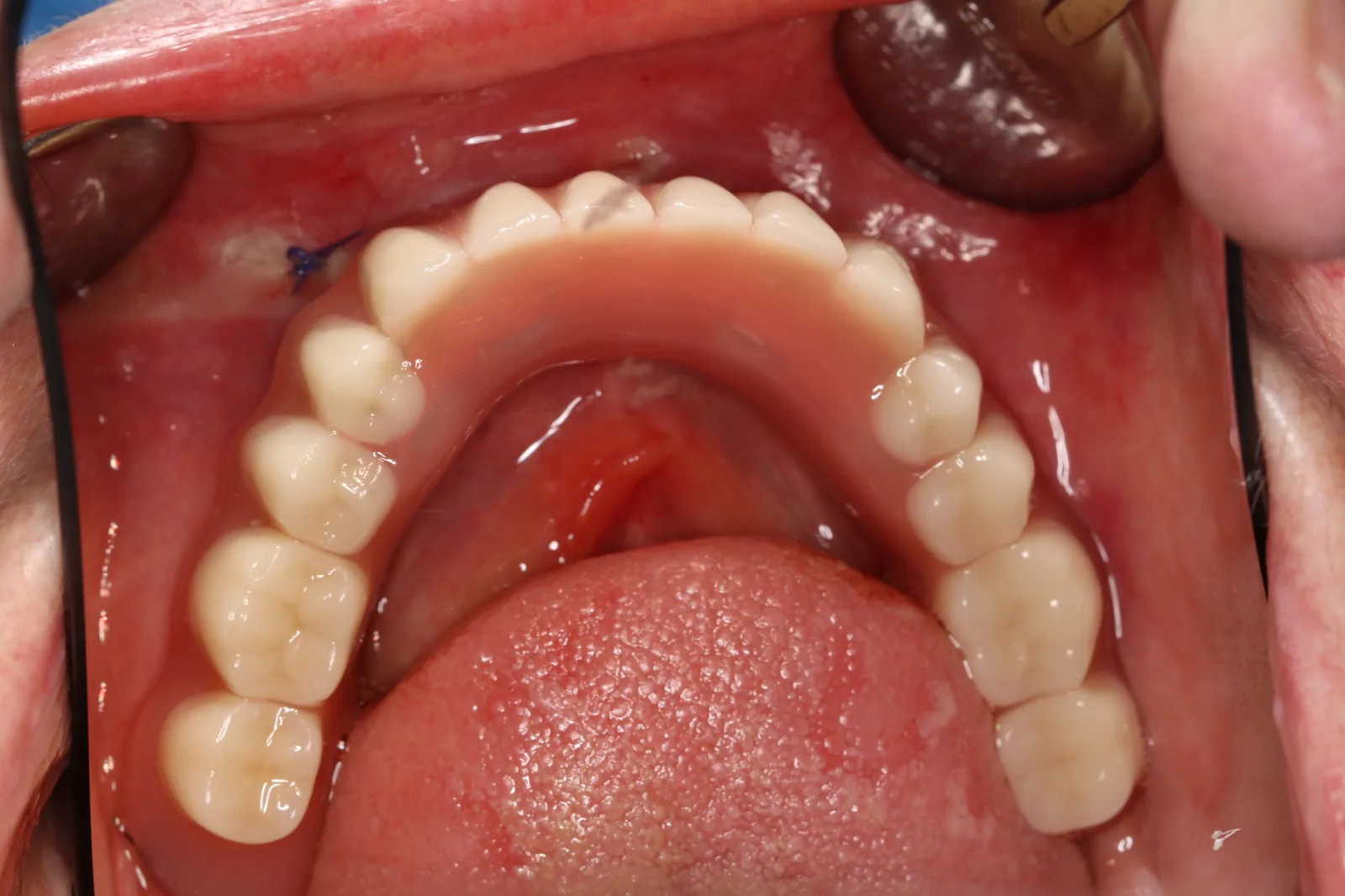
Since jawbone continues changing shape over the years, existing dentures may need more frequent adjustment, relining, or eventual replacement, and seniors experiencing persistent denture discomfort shouldn't assume this is simply an unavoidable part of aging rather than a fixable fit issue worth addressing.
Does Cognitive Decline Affect Dental Care Planning?
For seniors experiencing cognitive changes, maintaining consistent oral hygiene may require additional support from caregivers, and dental providers experienced in this area can offer guidance on adapted approaches, making this a reasonable topic to discuss directly if it's relevant to your or a family member's situation.
How Often Should Seniors See a Dentist?
This varies by individual risk factors, but many seniors, particularly those managing chronic health conditions or taking multiple medications, benefit from checkups on a similar or even more frequent schedule than the general population, allowing closer monitoring given the elevated risk factors relevant to this life stage.