
Dental Implants · 8 min read
Dental Implant Success Rate: What Actually Affects Your Personal Odds
- Written by
- 1PleasantonDentist Editorial Team, Editorial team
- Reviewed by
- Editorial team
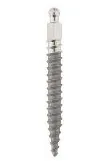
Image: Roderick Dailey · BY-SA 3.0 · Source
General success rate statistics don't tell you much about your specific case. Here's what actually determines whether your implant is likely to succeed.
Why a General Statistic Isn't the Most Useful Number for You
Published success rates come from research studying various patient populations, implant types, and follow-up periods, meaning the number reflects an average across many different circumstances rather than predicting your individual outcome, which is shaped by your own specific bone quality, health, and habits.
Factors That Genuinely Affect Individual Success Rates
Bone quality and quantity at the implant site significantly affects how well the implant integrates. Overall health, including how well conditions like diabetes are managed, plays a real role in healing capacity. Smoking status is one of the most well-documented factors affecting individual outcomes, with smokers facing measurably higher complication rates than non-smokers. Oral hygiene and ongoing maintenance after placement significantly affect long-term success, particularly regarding the risk of peri-implantitis developing later.
Does the Location of the Implant Affect Success Rate?
Yes, some research suggests slightly different outcomes based on which part of the mouth an implant is placed in, related to differences in bone density and quality typically found in different jaw locations, though a well-planned implant in any location can achieve excellent, long-lasting results with proper case selection and care.
Does the Provider's Experience Matter?
Yes, an experienced provider, particularly for more complex cases, generally contributes to better outcomes through more precise planning and placement technique, which is part of why asking about your specific provider's experience during your consultation is a reasonable, relevant question.
Does the Type of Implant Material Affect Success Rate?
Both titanium and zirconia implants have demonstrated strong success rates in research and clinical use, with titanium having a longer overall track record given its decades of use, though the material itself is generally less significant to individual success than factors like bone quality, health, and aftercare.
Can You Improve Your Own Odds of Success?
Yes, genuinely — following your dentist's specific pre-surgical guidance, addressing modifiable risk factors like smoking beforehand if possible, maintaining excellent oral hygiene throughout healing and long-term afterward, and attending all recommended follow-up visits are all within your control and meaningfully contribute to your own individual likelihood of success.
What Does "Success" Actually Mean for an Implant?
This generally refers to the implant properly integrating with the bone during initial healing and then remaining stable, functional, and free of significant complications like infection or bone loss over an extended follow-up period, rather than a vague, undefined concept.
Is Early Failure More or Less Common Than Late Failure?
Both types of failure are documented in research, with early failure related more directly to initial healing and integration issues, while late failure, occurring after a period of successful function, is more often related to factors like peri-implantitis or excessive biting force developing over time.
Should You Ask Your Specific Provider About Success Rates?
Yes, this is a reasonable question, and a good provider should be able to discuss both general research findings relevant to your specific situation and their own personal experience and outcomes with similar cases, giving you a more individually relevant picture than a single general statistic alone.
How Does Bone Grafting Affect Success Rates?
Implants placed after successful bone grafting generally have comparable success rates to implants placed in naturally adequate bone, since the goal of grafting is specifically to create a foundation supportive enough for reliable long-term implant success.