Dental Implants · 8 min read
Dental Implant Success Rate: What Actually Affects Your Odds
- Written by
- 1PleasantonDentist Editorial Team, Editorial team
- Reviewed by
- Editorial team
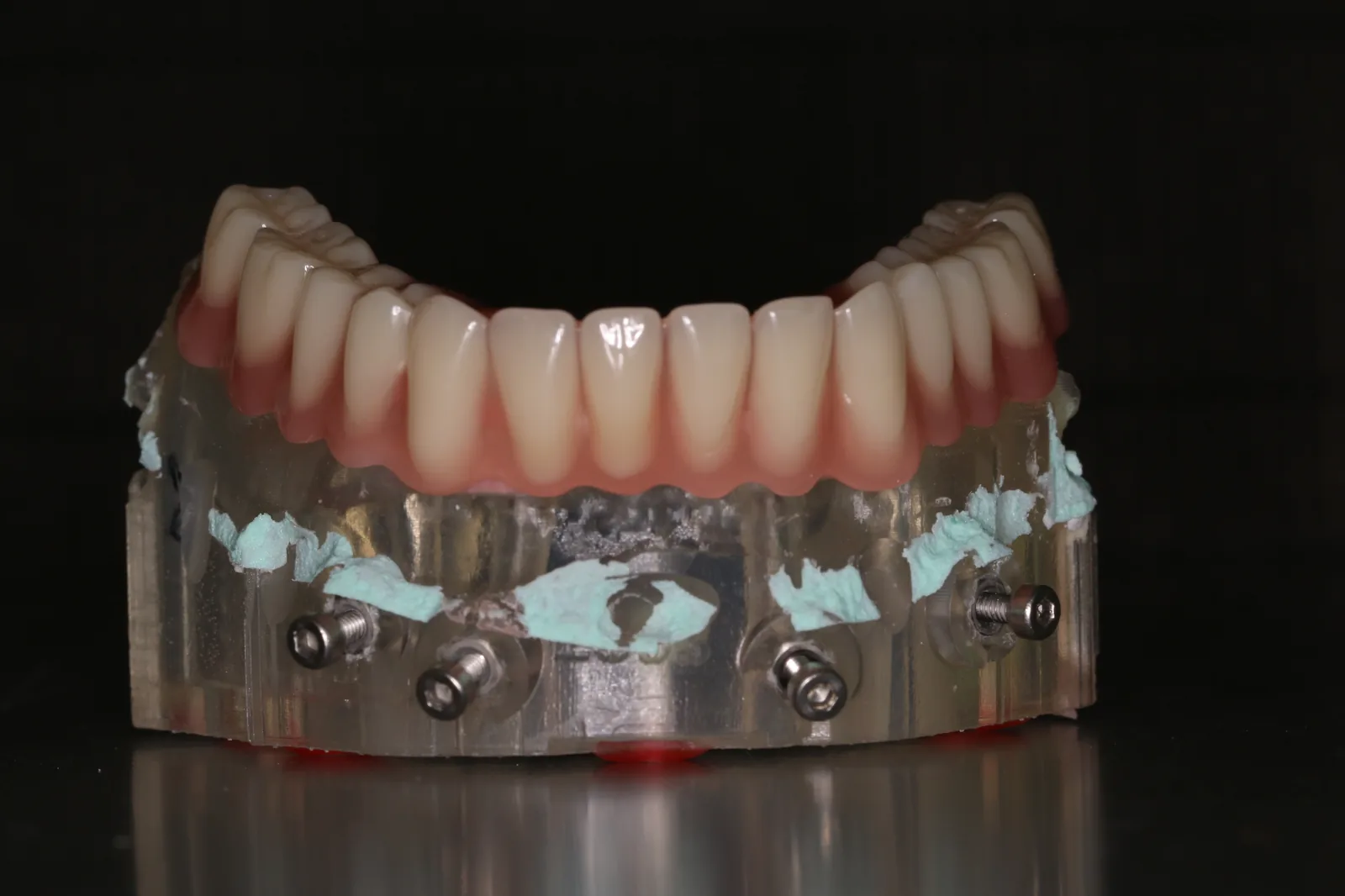
Image: Zypcu · BY-SA 3.0 · Source
Rather than quoting a single percentage, here's what genuinely determines whether your specific dental implant is likely to succeed long-term.
Why a Single Percentage Isn't the Full Picture
Published implant success rates come from specific studies, often looking at particular patient groups, implant systems, or jaw locations over a defined follow-up period. A number describing average outcomes across a broad study population doesn't necessarily reflect your personal odds, which depend on your specific bone quality, health status, habits, and the skill of your surgical team.
Factors That Improve Implant Success
Adequate bone density and volume at the implant site give the post a stable foundation to properly fuse with the bone. Good overall health, including well-managed chronic conditions like diabetes, supports proper healing. Not smoking, or quitting during the healing period, meaningfully improves outcomes, since smoking is one of the most well-documented risk factors for implant complications. Good oral hygiene, both before and after placement, reduces infection risk. And precise surgical planning, including thorough imaging beforehand, supports accurate, well-positioned placement.
Factors That Increase Risk of Failure
Heavy smoking, uncontrolled diabetes, untreated gum disease, insufficient bone without addressing it through grafting first, and excessive bite force on the implant before healing is complete (such as chewing hard foods too soon during recovery) are all associated with a higher risk of implant complications or failure.
Early vs. Late Implant Failure
Early failure, occurring before or shortly after the crown is placed, is often related to the implant not properly integrating with the bone during the initial healing period. Late failure, occurring years after successful initial healing, is more often related to factors like peri-implantitis (infection and bone loss around an otherwise successfully integrated implant), typically linked to inadequate long-term oral hygiene or other health changes over time.
How Location in the Mouth Affects Success
Implants in the lower jaw generally have somewhat higher reported success rates in research compared to the upper jaw, partly related to differences in bone density between the two areas, though both locations have strong overall success rates for appropriately selected patients with proper planning.
What You Can Control
While some factors, like your natural bone density, aren't within your control, several meaningful factors are: quitting smoking, managing chronic health conditions well, maintaining excellent oral hygiene, following your surgeon's specific pre- and post-operative instructions closely, and choosing an experienced provider who uses thorough imaging and planning.
Discussing Your Personal Odds With Your Provider
Rather than relying on a general statistic, ask your specific surgeon directly about your case — how your bone quality looks on imaging, whether any of your health factors affect your individual risk, and what steps can specifically improve your odds. This gives a far more personally relevant picture than any single published percentage.
Frequently Asked Questions About Dental Implant Success Rate
Are dental implants generally considered a reliable, successful treatment? Yes, dental implants have a long, well-established track record as a reliable treatment option for appropriately selected candidates, with strong overall success rates reported across extensive clinical research and decades of real-world use.
Does my age affect my implant success rate? Age itself isn't generally considered a major independent risk factor, as long as you're healthy enough for the procedure and have adequate bone. Health status and habits like smoking tend to matter more than age alone in determining individual success likelihood.
Can a failed implant be replaced successfully? Often, yes, once the underlying cause of failure is identified and addressed, sometimes involving a bone graft if bone loss occurred, followed by a waiting period before attempting replacement. Your surgeon can evaluate whether and when replacement is appropriate for your specific situation.
Does the type of implant material affect success rate? Both titanium and zirconia implants have supporting research and clinical use showing good success rates when appropriately placed, and neither is considered dramatically more or less successful than the other for most patients, though your surgeon can discuss any specific considerations relevant to your case.
How can I improve my own odds of implant success? Quitting smoking, keeping any chronic health conditions like diabetes well managed, maintaining thorough oral hygiene, closely following your surgeon's pre- and post-surgical instructions, and choosing an experienced provider who uses careful imaging and planning are all within your control and meaningfully support a successful outcome.
---
This article intentionally avoids citing a specific success-rate percentage, since published figures vary by study and population. Discuss your personal likelihood of success directly with your dentist or oral surgeon.