
Dental Implants · 8 min read
Dental Implant Surgery: A Step-by-Step Walkthrough of the Actual Procedure
- Written by
- 1PleasantonDentist Editorial Team, Editorial team
- Reviewed by
- Editorial team
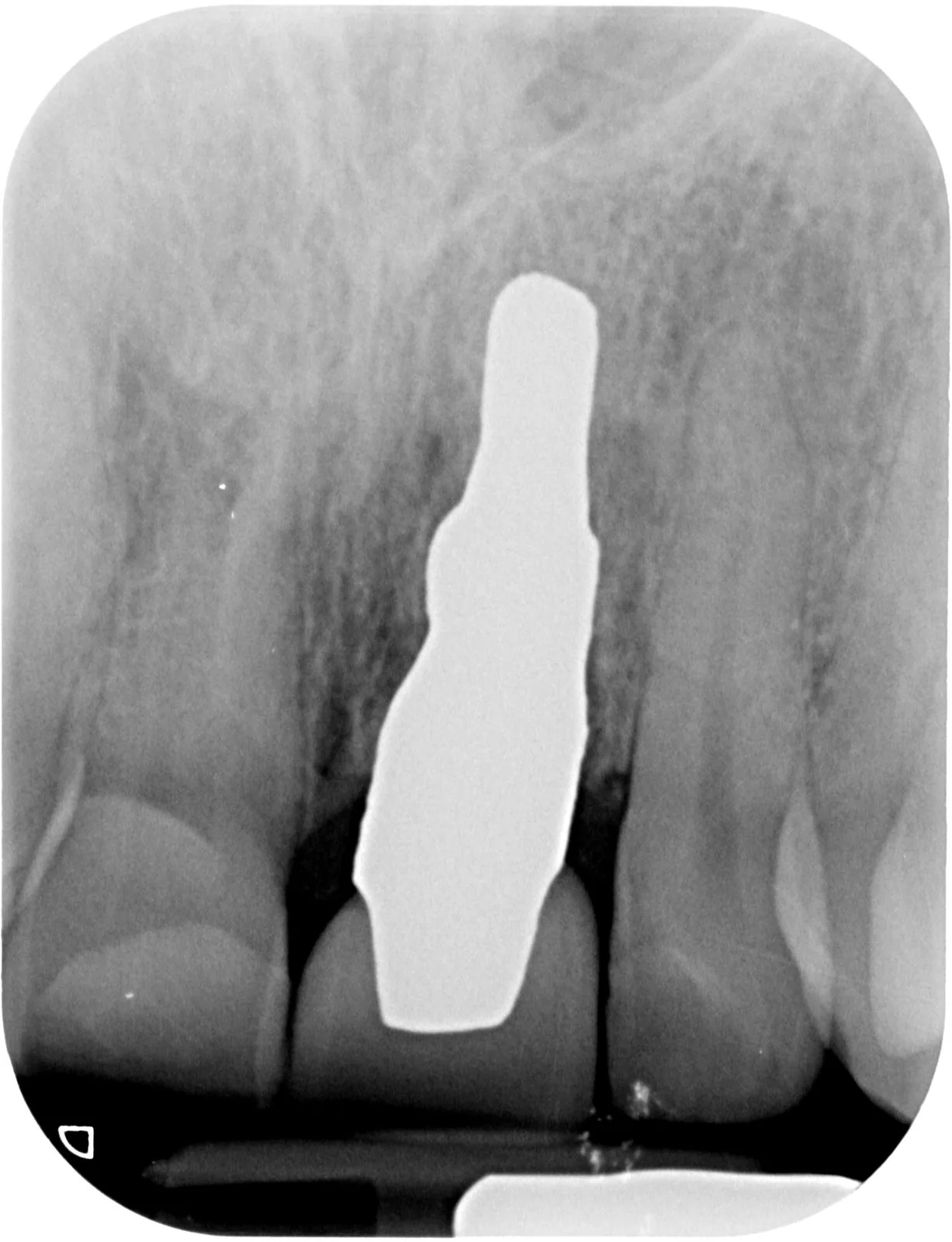
Image: Logicwhatelse · BY-SA 4.0 · Source
Here's exactly what happens during dental implant surgery, from the first incision to closing up, explained in plain language.
Before Surgery Begins
Once your implant site has been planned using X-rays or a 3D scan, your surgical team confirms your medical history, discusses the type of anesthesia or sedation you'll receive, and reviews the specific steps planned for your case, since implant placement can vary somewhat depending on whether bone grafting is needed and how many implants are being placed.
Anesthesia and Sedation Options
Most implant placements are performed under local anesthesia, numbing only the specific area being treated while you remain fully awake and aware. Some patients opt for additional sedation, ranging from mild oral sedation to help with anxiety, to IV sedation for a deeper, more relaxed state, depending on the complexity of the case and personal preference. General anesthesia is less common for routine implant placement but may be used for more extensive surgical cases.
Making the Incision
Once numbness or sedation has taken effect, the surgeon makes a small incision in the gum tissue at the implant site to expose the underlying jawbone. In some techniques, particularly with advanced guided surgery, a small punch-style opening is used instead of a traditional incision, minimizing tissue disruption.
Preparing the Implant Site
A series of precise drills, gradually increasing in size, are used to create a channel in the jawbone matching the exact dimensions of the implant being placed. This step requires careful control of speed and cooling to avoid overheating the bone, which could affect healing.
Placing the Implant
The implant post is carefully placed into the prepared channel, and the surgeon checks that it's seated at the correct depth and angle according to the treatment plan. In many cases, the implant is designed to achieve enough initial stability that it can begin the healing process immediately, though this varies by bone quality and case specifics.
Closing the Site
Depending on the technique used, a healing cap or cover screw is placed over the implant, and the gum tissue is closed with sutures, either dissolvable or ones requiring removal at a follow-up visit. If a temporary crown is being placed the same day, this step happens after the implant is secured rather than immediately closing the tissue completely.
How Long Does Implant Surgery Take?
A single implant placement, without complications, is often completed within thirty minutes to an hour. Multiple implants, or cases requiring bone grafting at the same time, take longer, sometimes extending to a couple of hours depending on complexity.
What You'll Feel During Surgery
With adequate local anesthesia, you shouldn't feel sharp pain, though you'll likely feel pressure and vibration from the drilling and placement process. If you feel genuine pain at any point, telling your surgical team immediately allows them to administer additional anesthesia before continuing.
Immediately After Surgery
You'll typically rest briefly in the office before heading home, especially if sedation was used, in which case you'll need someone to drive you. Gauze is generally placed over the surgical site to help control initial bleeding, and you'll receive specific instructions about pain management, diet, and activity restrictions for the following days.
Frequently Asked Questions About Dental Implant Surgery
Will I be awake during dental implant surgery? Most patients are awake but numb, using local anesthesia alone. Some choose additional sedation for anxiety or comfort, ranging from mild relaxation to a deeper sedated state, but full general anesthesia is uncommon for routine single or multiple implant placement.
Is dental implant surgery considered a major surgery? It's generally classified as a minor to moderate surgical procedure, performed in an outpatient dental or oral surgery office rather than a hospital operating room for most standard cases, though more complex cases involving significant bone grafting can be more involved.
How many implants can be placed in one surgical visit? This varies by case, but it's common to place multiple implants in a single appointment when a full-arch treatment plan calls for it, rather than doing each implant as a separate surgery on a separate day.
What if the surgeon discovers a problem mid-surgery? Surgeons are trained to adapt to unexpected findings during surgery, such as discovering less bone than initial imaging suggested, and will discuss with you afterward if the treatment plan needs to be adjusted, sometimes requiring a bone graft or a different approach than originally planned.
Can I go back to work the same day as implant surgery? Some people do, particularly for a single implant under local anesthesia only, but many choose to take the rest of the day off, especially if any sedation was used or if the surgery involved multiple implants or grafting.