Dental Implants · 8 min read
Dental Implants and Gum Disease: What You Need to Know First
- Written by
- 1PleasantonDentist Editorial Team, Editorial team
- Reviewed by
- Editorial team
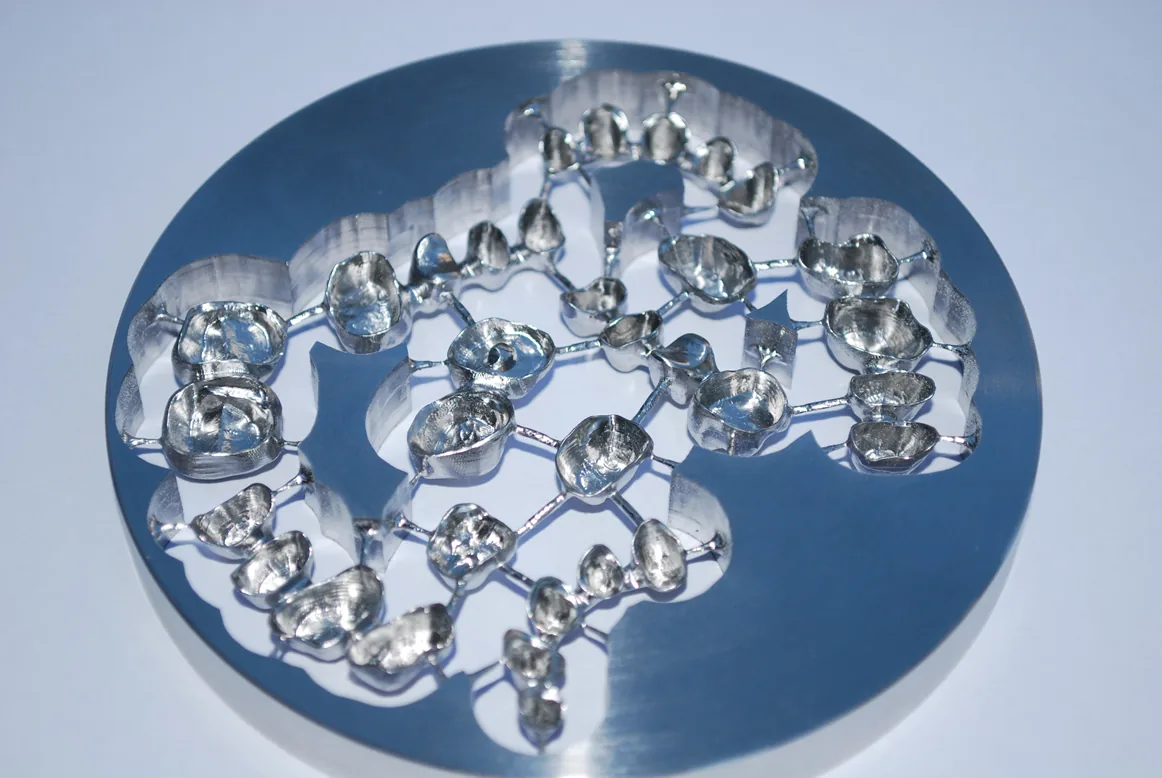
Image: Sescoi CAD/CAM · BY-SA 2.0 · Source
Active gum disease and implant surgery don't mix well. Here's exactly why, and what treating your gums first actually involves before implants proceed.
Why Does Active Gum Disease Affect Implant Candidacy?
Gum disease involves ongoing bacterial infection affecting the gum tissue and, in more advanced stages, the bone supporting your teeth. Placing an implant into an area with active, untreated infection significantly increases the risk of complications, since the same bacteria and inflammation affecting your natural teeth can similarly threaten a newly placed implant.
Do I Need to Treat Gum Disease Before Getting Implants?
Generally, yes, if you have active gum disease, most dentists and periodontists will recommend stabilizing it first, through appropriate treatment like deep cleaning or, in more advanced cases, surgical treatment, before proceeding with implant placement, to give the implant the best possible foundation for success.
What If My Gum Disease Has Already Caused Bone Loss?
This is genuinely common in people considering implants, since gum disease and tooth loss are closely linked. If significant bone loss has occurred, a bone graft may be needed to rebuild adequate volume before an implant can be properly placed, in addition to first addressing the active gum disease itself.
Can You Get Gum Disease Around an Existing Implant?
Yes, this is called peri-implantitis, a condition affecting the gum and bone tissue around an implant, similar in concept to gum disease affecting a natural tooth. It's one of the leading causes of long-term implant failure and requires prompt professional treatment if identified.
What Are the Signs of Peri-Implantitis?
Symptoms similar to gum disease around a natural tooth apply here as well — bleeding, swelling, or redness around the implant site, gum recession specifically around the implant, and in more advanced cases, looseness of the implant itself.
How Is Peri-Implantitis Treated?
Treatment approaches are similar in concept to treating gum disease around natural teeth, including deep cleaning around the implant surface and, in more advanced cases, surgical treatment to address the infection and any resulting bone loss around the implant.
Does Having Gum Disease Elsewhere in My Mouth Affect an Implant in a Different Area?
The oral bacteria involved in gum disease aren't strictly contained to one specific area, meaning untreated gum disease anywhere in your mouth is generally worth addressing as part of overall oral health, both for your natural teeth and to support the best possible environment for any existing or planned implants.
How Does Smoking Interact With Gum Disease and Implants?
Smoking is a significant risk factor for both gum disease and implant complications independently, meaning a smoker with a history of gum disease faces a compounded risk profile that's worth discussing openly with your dental team as part of planning implant treatment.
Can Implants Be Placed if I Have a History of Gum Disease That's Now Well-Managed?
Yes, often. A history of gum disease that's been successfully treated and is now stable, with good ongoing home care and regular maintenance visits, doesn't necessarily disqualify you from implant treatment, though your dental team will likely monitor you closely given your history.
Long-Term Gum Maintenance After Getting Implants
Regular dental checkups specifically monitoring implant health, consistent daily cleaning around the implant, and prompt attention to any new symptoms like bleeding or swelling around the implant site all matter significantly for preventing peri-implantitis and supporting long-term implant success.