Dental Implants · 8 min read
Are Dental Implants Safe? What the Evidence and Regulation Actually Show
- Written by
- 1PleasantonDentist Editorial Team, Editorial team
- Reviewed by
- Editorial team
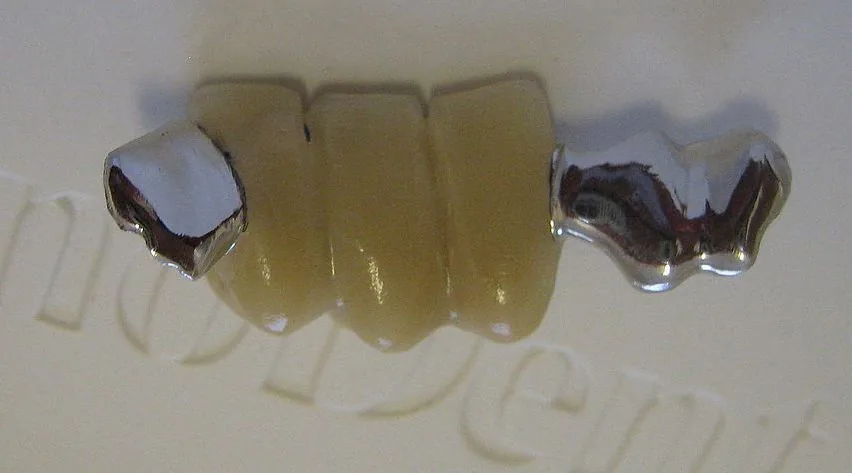
Image: Richard Avery · BY-SA 3.0 · Source
Worried about metal in your jaw for the rest of your life? Here's an honest look at dental implant safety, regulation, and real risk factors.
Are Dental Implants Regulated?
In the United States, dental implant systems are regulated as medical devices, meaning manufacturers must demonstrate safety and effectiveness data before a device can be marketed and used. This regulatory oversight exists specifically to ensure implant systems meet established safety standards before they reach patients.
Are the Materials Themselves Safe?
Titanium, the most commonly used implant material, has decades of use in both dental and orthopedic medicine, including hip and knee replacements, and is well established as biocompatible, meaning the body generally doesn't reject it as a foreign substance. Zirconia, the increasingly popular ceramic alternative, is also considered biocompatible and has a growing body of clinical use supporting its safety.
Real Risks Worth Understanding
Implant failure, where the bone doesn't properly fuse to the implant, is a genuine possibility, though it's not the norm for appropriately selected patients. Infection at the surgical site can occur, as with any surgical procedure. Nerve damage, while uncommon with proper imaging and technique, is a possible risk, particularly for implants placed near major nerve pathways in the lower jaw. And for upper implants, there's a risk related to the sinus cavity if there isn't adequate bone height, which proper pre-surgical imaging is specifically designed to identify and plan around.
Who Faces Higher Risk?
People with uncontrolled diabetes, heavy smokers, those with untreated gum disease, and people with certain bone-affecting medical conditions or medications generally face a higher risk of complications, though none of these automatically rule someone out — they're factors your surgical team evaluates and, where possible, helps manage before and after surgery to improve your odds of success.
How Safety Is Evaluated Before Your Surgery
Before recommending implants, your dentist or surgeon reviews your full medical history, takes detailed imaging to assess bone quality and locate nerves and sinuses precisely, and discusses any medications or health conditions that might affect the procedure or healing. This planning process is specifically designed to identify and address risk factors before surgery, not just proceed and hope for the best.
What Happens If a Problem Develops
If you experience ongoing pain, looseness, unusual swelling, or symptoms that don't match what you were told to expect, contacting your dental provider promptly allows them to evaluate and address the issue before it potentially worsens. Beyond your provider, device-specific safety concerns can also be reported through the FDA's MedWatch program, which tracks issues with medical devices, including dental implants, though most patients never need to use this reporting system.
Long-Term Safety Track Record
Dental implants have been used in modern dentistry for several decades, with a substantial body of clinical research and real-world use supporting their safety and effectiveness for appropriately selected patients. This long track record is part of why implants are considered a well-established, mainstream treatment option rather than an experimental one.
Frequently Asked Questions About Dental Implant Safety
Can my body reject a dental implant? True immune rejection of titanium or zirconia implants is rare, since these materials are well-established as biocompatible. What's sometimes described as "rejection" is more often implant failure due to insufficient bone integration, infection, or excessive stress on the implant, which are different from a true immune rejection response.
Are dental implants safe for people with autoimmune conditions? Often, yes, though this depends heavily on the specific condition, how well-controlled it is, and any medications involved. This is a conversation worth having directly with both your dentist and your physician, since autoimmune conditions vary enormously in how they might affect healing and implant success.
Is titanium allergy a real concern with dental implants? True titanium allergy is considered rare, though it has been documented in a small number of cases. If you have a known metal sensitivity or allergy, discussing this with your dentist beforehand is worth doing, since zirconia implants offer a metal-free alternative for patients with this specific concern.
How do I know if my implant provider is following proper safety protocols? Reasonable questions include asking about their experience with implant placement, what imaging and planning process they use before surgery, and how they handle complications if they arise. A provider who takes your questions seriously and explains their process clearly is generally a positive sign.
Are older or newer implant designs safer? Implant design has evolved over decades of research and clinical use, with modern systems generally reflecting improvements in materials and surface technology that support better bone integration. That said, an implant system with a long, well-documented track record isn't automatically less safe just because it's an older, established design — your surgeon can explain the specific system they use and why.