Dental Implants · 8 min read
Full Mouth Dental Implants: How the Process Works From Start to Finish
- Written by
- 1PleasantonDentist Editorial Team, Editorial team
- Reviewed by
- Editorial team
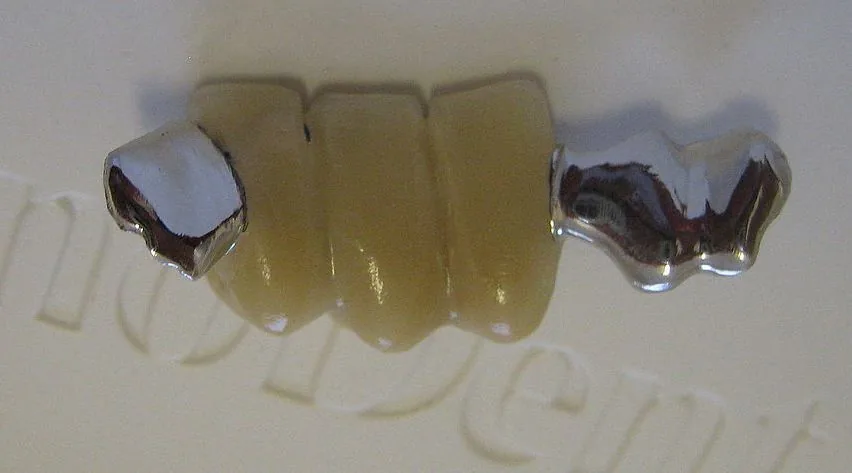
Image: Richard Avery · BY-SA 3.0 · Source
Losing most or all of your teeth is overwhelming. Here's what full mouth dental implants actually involve, who qualifies, and what recovery really looks like.
What Are Full Mouth Dental Implants?
The basic idea is that a limited number of implants — the exact number depends on your bone structure, your dentist's approach, and the specific system being used — are placed in strategic spots along your jaw. Once those implants have healed and fused with the bone, they support a full arch of replacement teeth, either as a fixed bridge that doesn't come out, or as a removable overdenture that snaps onto the implants for extra stability compared to a traditional denture.
This is different from getting an individual implant for every single missing tooth, which is rarely how full-mouth cases are handled, mostly because of cost and the amount of surgery that would require. It's also different from a traditional denture, which rests entirely on the gums and jawbone without any implant support at all, and which many people find shifts, slips, or feels unstable, especially on the lower jaw.
You may come across a specific version of this called "All-on-4," which uses four implants per arch positioned at precise angles to maximize contact with available bone. It's one well-known approach to full mouth implants, but not the only one — some cases use more implants, depending on bone quality and the treatment plan your dentist recommends.
Benefits of Full Mouth Dental Implants
### Restored Chewing and Speech
A full arch of implant-supported teeth functions much closer to natural teeth than a removable denture does. Foods that are difficult or uncomfortable to eat with loose dentures — apples, corn on the cob, tougher cuts of meat — often become manageable again because the replacement teeth are anchored firmly rather than resting loosely on the gums. Speech can improve too, since a well-fitted implant-supported arch doesn't shift or click the way an ill-fitting denture sometimes does.
### Natural Look and Improved Confidence
Full mouth implants are designed and shaped to look like a natural, healthy set of teeth, and because they're fixed in place rather than removable, there's no risk of them slipping while talking or laughing in a way that draws attention. For a lot of people, this translates directly into feeling more comfortable in social situations after years of hiding a smile or avoiding certain foods in public.
### Bone Preservation and Facial Support
This is one of the more overlooked benefits. When teeth are missing for an extended period, the jawbone in that area gradually shrinks, since it no longer receives the stimulation a tooth root normally provides. Over enough time, this bone loss can actually change the shape of a person's face, contributing to a sunken look around the mouth. Implants, because they're anchored in the bone the way a natural tooth root is, help slow or prevent this ongoing bone loss — something a traditional denture, sitting only on the gum surface, doesn't do.
### Long-Term Durability vs. Removable Options
With good care, implants themselves often last for decades. Traditional dentures, by comparison, typically need relining or replacing every several years as the jawbone shape gradually changes underneath them. This doesn't mean full mouth implants are maintenance-free forever — the prosthetic teeth attached to the implants may eventually need adjustment or replacement due to normal wear — but the core implant structure tends to hold up significantly longer than removable alternatives.
Who Is a Good Candidate for Full Mouth Dental Implants?
Good candidates generally have enough remaining jawbone to support implants, are in reasonably good general health, and don't have uncontrolled conditions that would seriously interfere with healing, such as poorly managed diabetes or active, untreated gum disease. Heavy smoking is also a factor your dentist will likely discuss, since it's associated with a higher risk of implant complications.
What surprises a lot of people is that significant bone loss doesn't automatically rule you out. Depending on how much bone remains and where, some full-mouth approaches are specifically designed to work with less bone than older implant techniques required, sometimes avoiding the need for a separate bone graft. Other cases do require grafting first. The only real way to know where you fall is a proper consultation with imaging, since bone loss varies enormously from person to person even when the visible symptoms — like loose or missing teeth — look similar on the surface.
How Full Mouth Dental Implants Are Placed
### Consultation and 3D Imaging
The process starts with a thorough exam and typically a 3D scan (often a CBCT scan) that shows your dentist exactly how much bone is available, where your nerves and sinuses sit, and how to plan implant placement with precision. This step matters more for full-mouth cases than single-tooth ones, since the whole treatment plan depends on getting the implant positions right the first time.
### Implant Placement Surgery (Same-Day vs. Staged)
Depending on your case and the specific approach your dentist uses, implants may be placed all in one surgical visit, sometimes with a temporary set of teeth attached the same day, or placed in stages over multiple visits if your case is more complex or requires bone grafting first. Same-day approaches are appealing because you're not left without any teeth during the healing period, but not every case is a good fit for it — this is a decision your surgeon makes based on your specific bone quality and overall treatment plan, not something you can choose independent of your actual clinical situation.
### Healing and Osseointegration
After placement, the implants need time to fuse with the surrounding bone, a process called osseointegration. This generally takes several months, and rushing the final, permanent restoration before this healing is complete increases the risk of implant failure. This is also usually the longest single phase of the entire treatment timeline.
### Temporary Prosthesis and Final Restoration
Many full-mouth treatment plans include a temporary set of teeth worn during the healing period, so you're not without teeth for months at a time. Once healing is confirmed to be complete, the temporary is replaced with the final, permanent restoration, which is custom-fitted and typically far more durable than the temporary version.
Full Mouth Dental Implants Recovery and Healing Timeline
Recovery happens in layers, not all at once. The first week or two after surgery typically involves the most noticeable swelling, soreness, and dietary restrictions, similar to recovering from any oral surgery. Most people are able to return to normal daily activities within several days to about a week, though strenuous exercise is often restricted a bit longer.
The deeper healing — the bone actually fusing to the implants — takes considerably longer, generally spanning a few months, and this timeline can be extended if bone grafting was part of your treatment. It's worth setting expectations around this early, since the visible "you look fine" recovery and the underlying "your bone is fully healed" recovery are two different timelines, and only your dentist can confirm when the second one is truly complete.
### Recovery and Aftercare Tips
A soft-food diet is typically recommended for the first several days to weeks, gradually returning to normal foods as healing progresses. Gentle rinsing, rather than vigorous brushing, is usually advised right around the surgical sites initially. Avoiding smoking during healing is strongly encouraged, since it measurably slows recovery and raises the risk of complications. And keeping every follow-up appointment matters more here than with almost any other dental procedure, since these visits are how your dentist confirms healing is progressing the way it should before moving to the next phase of treatment.
Risks and Potential Drawbacks
It's worth being upfront about the downsides, not just the benefits.
### Higher Initial Cost
Full mouth implant treatment is a significant financial commitment, generally more expensive upfront than traditional dentures, even though it often uses fewer implants than replacing every tooth individually would require. This cost reflects the surgery, the imaging, the materials, and the number of appointments involved across the full treatment timeline.
### Surgical Risks and Healing Time
As with any oral surgery, there are risks of infection, prolonged healing, or in some cases, an implant not properly fusing with the bone. The overall timeline, from initial consultation to final restoration, often spans several months to close to a year for more complex cases, which is a real commitment of time as well as money.
### Possible Need for Future Maintenance or Repairs
While the implants themselves tend to be very durable, the prosthetic teeth attached to them can experience normal wear over years of use and may eventually need adjustment, relining, or replacement. This isn't a flaw in the treatment — it's a normal part of owning any dental prosthetic long-term, similar to how natural teeth also require ongoing care and occasional dental work over a lifetime.
Full Mouth Dental Implants Cost, Insurance, and Financing
Full mouth implant treatment is priced based on the number of implants used, the type of final restoration (fixed bridge versus removable overdenture), whether bone grafting is needed, and regional cost differences, among other factors. Because it involves multiple implants and a custom-fitted full arch of teeth, the total cost is understandably higher than a single-tooth implant, though often less than the cost of placing an individual implant for every missing tooth would be.
Dental insurance coverage for full-mouth implant treatment varies widely by plan, and it's worth confirming directly with your insurer which parts of the treatment, if any, are covered before starting. Many practices also offer financing options specifically for larger treatment plans like this, given the total investment involved, and it's reasonable to ask about payment plans directly during your consultation rather than after treatment has already begun.
Frequently Asked Questions About Full Mouth Dental Implants
How many implants are needed for a full mouth of teeth? It varies by case and by the specific treatment approach used, but many full-arch treatments use somewhere between four and eight implants per arch to support a complete set of replacement teeth, rather than one implant per missing tooth. Your dentist determines the exact number based on your bone quality and overall treatment plan.
Can I get full mouth implants if I've been missing teeth for a long time? Often, yes, though longer periods without teeth sometimes mean more bone loss has occurred, which can affect whether a bone graft is needed first. A consultation with imaging is the only reliable way to know how your specific situation affects the treatment plan.
Will I be without teeth at any point during treatment? It depends on the specific approach used. Some treatment plans place a temporary set of teeth the same day as implant surgery, so you're never without visible teeth. Others involve a longer healing period before any teeth are attached. This is worth asking about directly during your consultation, since it significantly affects daily life during treatment.
How is full mouth implant treatment different from traditional dentures? Traditional dentures rest on the gums and jawbone without any implant support, which means they can shift, require adhesive, and don't prevent ongoing jawbone loss. Implant-supported full mouth treatment anchors the replacement teeth directly into the jawbone, generally offering more stability, a more natural chewing experience, and better preservation of jawbone over time.
What happens if one implant fails in a full mouth case? This depends on the specific design of your restoration and how many implants are supporting it. In many cases, a single implant issue can potentially be addressed without needing to redo the entire arch, though the details depend heavily on your specific treatment plan. This is a good question to ask your surgeon directly, since it affects how the whole system is designed from the start.