Dental Implants · 8 min read
How Long Do Dental Implants Last? The Honest, Detailed Answer
- Written by
- 1PleasantonDentist Editorial Team, Editorial team
- Reviewed by
- Editorial team
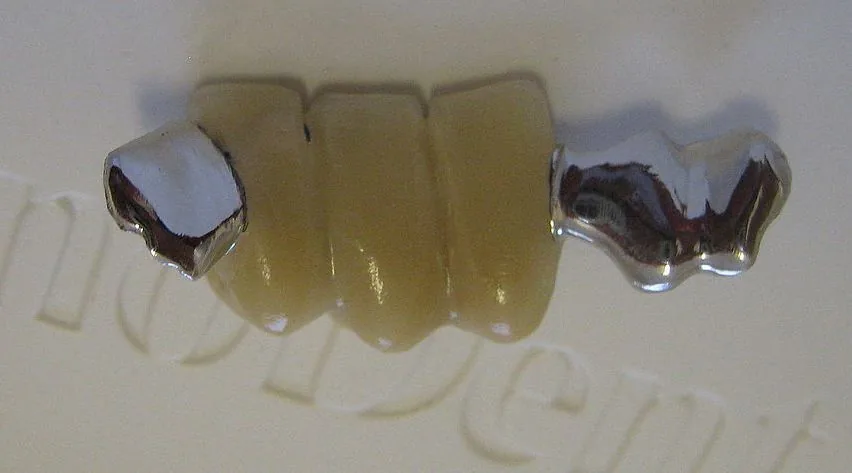
Image: Richard Avery · BY-SA 3.0 · Source
Implants are marketed as lasting a lifetime. Here's what actually determines how long yours will last, and what shortens their lifespan.
The Implant Post vs. the Crown
The titanium or zirconia post, once fused with your jawbone, is designed to be a long-term, essentially permanent part of your mouth, and with proper care, many implant posts do last for decades or even a lifetime. The crown attached to it, however, is a separate component that experiences normal wear from years of biting and chewing, and it typically has a shorter lifespan than the implant post underneath it.
What Determines How Long an Implant Lasts
### Oral Hygiene
Just like natural teeth, implants can be affected by bacteria and plaque buildup around the gumline, which over time can lead to a condition called peri-implantitis, an infection affecting the tissue and bone around the implant. Consistent brushing, flossing, and professional cleanings significantly reduce this risk.
### Bite Force and Grinding
People who grind their teeth put extra mechanical stress on implants, similar to the stress placed on natural teeth, which can accelerate wear on the crown and, in some cases, affect the implant itself over time. A nightguard is commonly recommended for implant patients who grind their teeth.
### Overall Health
Conditions like uncontrolled diabetes can affect healing and long-term implant stability, and smoking is one of the most well-documented factors associated with reduced implant longevity, due to its effects on blood flow and healing.
### Quality of Initial Placement
The precision of the original surgical placement, including adequate bone support and correct positioning, plays a meaningful role in long-term success, which is part of why choosing an experienced provider matters for a procedure meant to last for years.
Signs an Implant Might Be Failing
Persistent pain or discomfort around the implant, increasing looseness, visible gum recession or swelling around the implant site, and difficulty chewing on that side of the mouth are all worth having evaluated promptly, since catching a developing problem early generally allows for a wider range of solutions than waiting until the issue has progressed significantly.
How to Extend the Life of Your Implant
Brushing and flossing around the implant just as thoroughly as your natural teeth, using any specific cleaning tools your dentist recommends for the area, attending regular checkups where your dentist can monitor the health of the surrounding gum and bone, avoiding smoking, and wearing a nightguard if you grind your teeth all meaningfully support long-term implant success.
When the Crown Needs Replacing
A crown showing signs of wear, chipping, or that no longer fits as precisely as it once did can typically be replaced without needing to redo the underlying implant, assuming the implant itself remains healthy and well-integrated with the bone. This is a considerably smaller procedure than original implant placement.
Frequently Asked Questions About Dental Implant Lifespan
Do dental implants really last a lifetime? The implant post itself, when properly cared for, often does last decades or a lifetime for many patients, though this isn't guaranteed for everyone, and factors like oral hygiene, health conditions, and grinding habits all play a role. The crown attached to it typically needs replacement well before the implant post does.
What's the average lifespan of an implant crown? Many implant crowns last somewhere in the range of ten to fifteen years, similar to a crown on a natural tooth, though this varies based on the material used and individual wear patterns.
Can smoking really shorten how long my implant lasts? Yes, smoking is a well-documented risk factor for both implant failure and longer-term complications like peri-implantitis, due to its effects on blood flow and the body's healing and immune response around the implant site.
Is it normal for an implant to feel slightly different after many years? Some minor changes in sensation over many years can occur, but any new pain, looseness, or significant change should be evaluated by your dentist rather than assumed to be a normal part of aging with an implant.
Can a failed implant be replaced with a new one? In many cases, yes, once the underlying cause of failure has been addressed and, if needed, the bone has had time to heal, sometimes with an additional bone graft first. Your surgeon can evaluate whether replacement is appropriate for your specific situation.