Dental Implants · 8 min read
Hypodontia and Oligodontia: When Permanent Teeth Simply Never Develop
- Written by
- 1PleasantonDentist Editorial Team, Editorial team
- Reviewed by
- Editorial team
Image: Logicwhatelse · BY-SA 4.0 · Source
Missing teeth aren't always about loss — sometimes a tooth never formed in the first place. Here's what this developmental condition involves and how it's managed.
What Is Hypodontia?
Hypodontia refers to the congenital absence of one or a few permanent teeth, meaning these specific teeth simply never developed, most commonly affecting the upper lateral incisors, second premolars, and wisdom teeth.
What Is Oligodontia?
Oligodontia describes a more extensive form of the same phenomenon, generally defined as six or more permanent teeth being congenitally absent, representing a more significant developmental pattern than the more limited hypodontia.
How Common Is Missing One or Two Teeth Due to Hypodontia?
This is actually a relatively common finding, with wisdom teeth being congenitally absent in a meaningful portion of the population, and missing lateral incisors or second premolars also being a fairly frequently encountered pattern in dental practice.
Why Do These Teeth Never Develop?
Genetic factors play a significant, well-documented role, with hypodontia and oligodontia sometimes running in families, and more extensive oligodontia is also associated with certain genetic syndromes, such as ectodermal dysplasia, discussed elsewhere.
How Is Hypodontia or Oligodontia Diagnosed?
This is typically identified through a combination of clinical exam, noting a persistent gap where a tooth should be, and X-rays confirming that no tooth bud is present in that location, distinguishing it from a tooth that's simply delayed or impacted.
Does a Missing Baby Tooth Predict a Missing Permanent Tooth?
Not necessarily in every case, though there is a documented association, and if a baby tooth in a specific position is also congenitally absent, this can sometimes be an early indicator that the corresponding permanent tooth may also be missing, which your pediatric dentist can monitor through appropriate imaging.
What Problems Can Hypodontia or Oligodontia Cause?
Beyond the gap itself, missing teeth can allow neighboring teeth to shift, create bite alignment issues, and for more extensive oligodontia, can significantly affect overall chewing function and appearance, making comprehensive treatment planning genuinely important.
How Is Hypodontia Typically Managed?
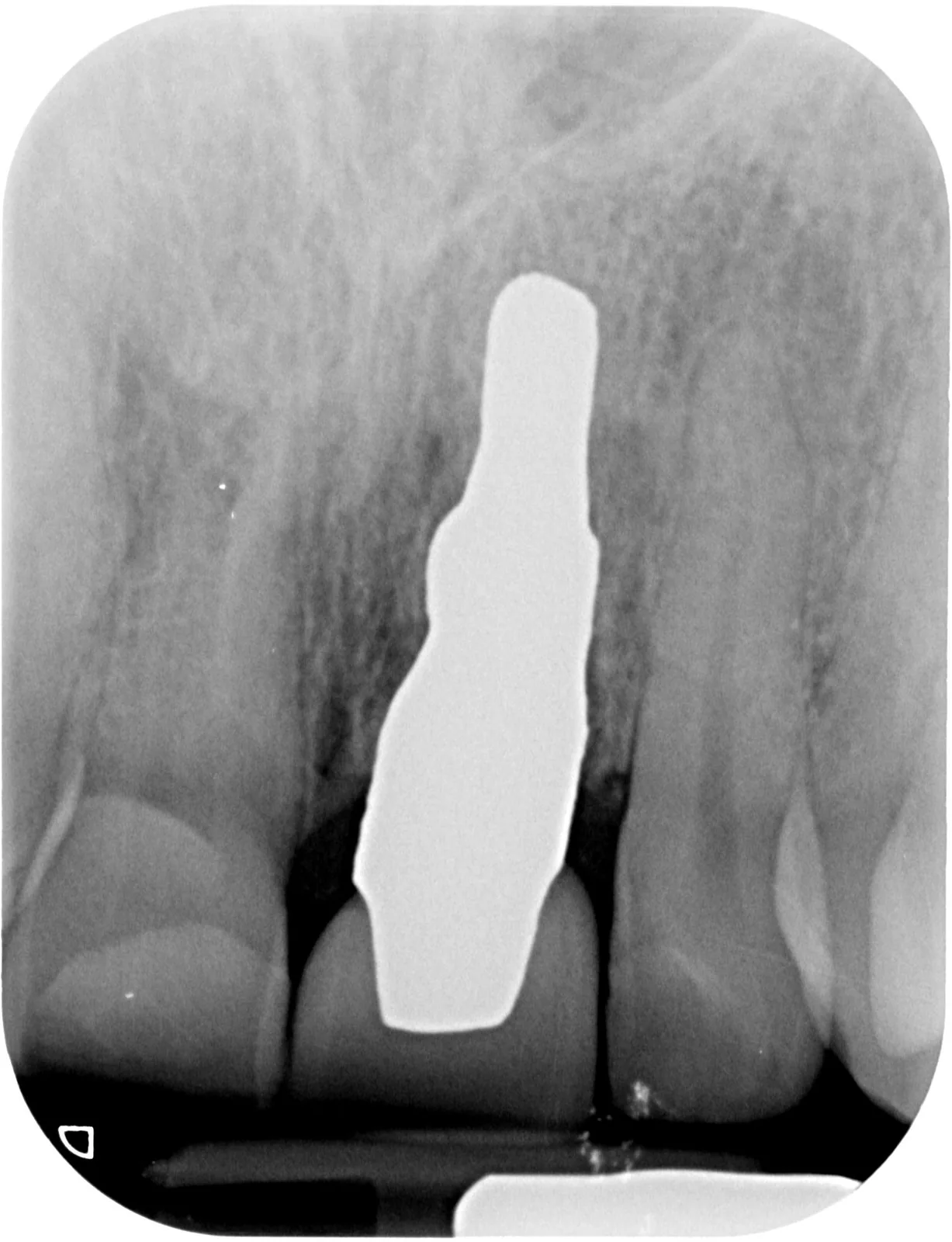
Options include orthodontic treatment to close the resulting gap by shifting neighboring teeth, or maintaining the space and eventually filling it with a dental implant or bridge, with the right approach depending on the specific missing tooth, your bite, and your personal preferences.
How Is More Extensive Oligodontia Managed?
Given the more significant number of missing teeth involved, this typically requires a more comprehensive, long-term treatment plan, similar in complexity to what's discussed for conditions like ectodermal dysplasia, often involving removable prosthetics during childhood growth and transitioning toward implant-based solutions once growth is complete.
At What Age Is Hypodontia Typically Identified?
This is often identified during the years permanent teeth are expected to erupt, generally through routine dental checkups and X-rays when an expected tooth doesn't appear on schedule and no developing tooth bud is found on imaging.
Should Family Members Be Aware if Hypodontia Is Diagnosed in a Child?
Given the genetic component often involved, it's reasonable for parents and other family members to be aware, and mentioning any family history of missing teeth to your dentist provides useful diagnostic context.
Can Missing Teeth From Hypodontia Eventually Be Replaced With Implants?
Yes, once jaw growth is complete, dental implants are a commonly used, effective option for replacing teeth that were congenitally absent, similar to how implants address any other cause of missing teeth, sometimes requiring bone grafting first if the area hasn't developed adequate bone volume without a tooth root ever having been present there.