
Dental Implants · 8 min read
Immediate vs. Delayed Implant Loading: When the Crown Actually Goes On
- Written by
- 1PleasantonDentist Editorial Team, Editorial team
- Reviewed by
- Editorial team
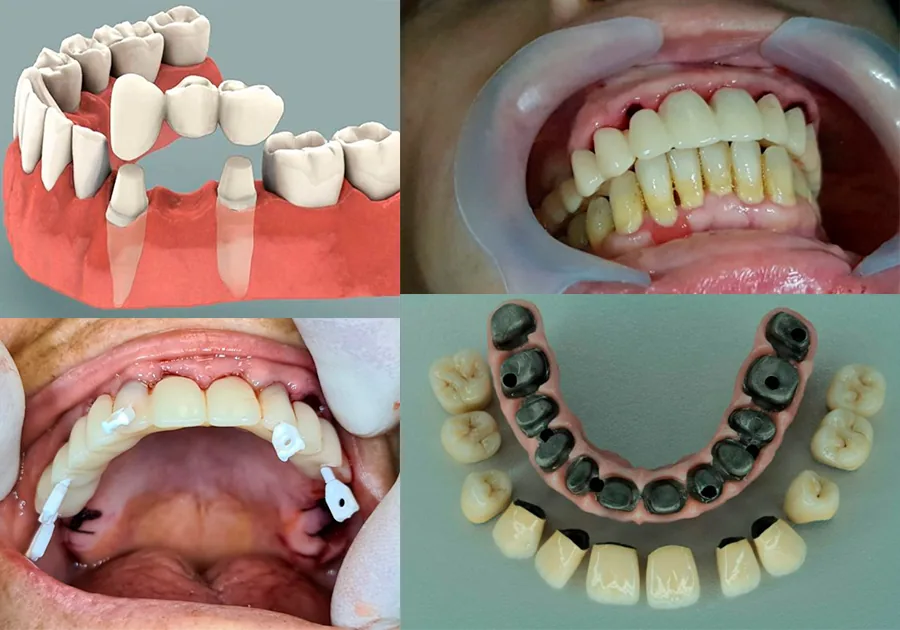
Image: Trohimenko YS · BY-SA 4.0 · Source
This is a genuinely separate timing question from when the implant itself gets placed — it's specifically about when it starts bearing bite force.
What Does "Loading" Mean in Implant Dentistry?
Loading refers to when a crown or other restoration is attached to an implant and begins bearing functional bite force, as opposed to the implant simply healing beneath the gum without yet being restored.
What Is Immediate Loading?
Immediate loading means a temporary or, in some cases, final crown is attached to the implant the same day it's placed, or very shortly after, allowing the implant to begin functioning right away rather than remaining unrestored during the healing period.
What Is Delayed Loading?
Delayed loading means the implant is allowed to heal and integrate with the bone for a period of months before any crown or restoration is attached, following the more traditional implant timeline.
Isn't This the Same as the Immediate vs. Delayed Placement Discussion?
No, this is genuinely a different, separate consideration — placement timing refers to when the implant itself goes into the bone relative to an extraction, while loading timing refers to when a crown is put onto an already-placed implant, meaning you can have various combinations, such as delayed placement combined with immediate loading, or immediate placement combined with delayed loading.
Why Would Immediate Loading Be Appropriate for Some Cases?
For implants achieving excellent initial stability at the time of placement, immediate loading can provide the patient with functional teeth right away, avoiding an extended period without any restoration, which is particularly appealing for cases like same-day full-arch implant treatment.
Why Would Delayed Loading Be Preferred for Other Cases?
If an implant doesn't achieve ideal initial stability, or if your surgeon wants to ensure undisturbed, complete integration before introducing bite force, delayed loading provides a more conservative, traditionally proven approach, reducing the risk that early functional force could disrupt the healing integration process.
How Does a Surgeon Determine Which Approach Is Appropriate?
This is based on the specific implant's measured initial stability at the time of placement, the quality of the surrounding bone, and the overall treatment plan, with your surgeon making this determination based on direct clinical assessment during your procedure.
Does Immediate Loading Carry Higher Risk Than Delayed Loading?
For appropriately selected cases with good initial stability, immediate loading has a well-established, generally comparable success rate to delayed loading, though it requires more careful case selection, meaning not every implant is a good candidate for this approach regardless of a patient's preference for faster restoration.
Is a Temporary Crown Used With Immediate Loading, or Is It the Final Restoration Right Away?
This varies — some immediate loading protocols use a temporary restoration initially, with the final crown placed later once healing is more complete, while other cases, particularly certain full-arch approaches, may use a more definitive restoration from the start, depending on the specific treatment plan.
Can a Single Tooth Implant Use Immediate Loading?
Yes, this is possible for appropriate cases, though it's more commonly and prominently discussed in the context of full-arch treatment like All-on-4, where immediate loading offers a particularly significant practical advantage given the larger number of teeth involved.
Does Loading Timing Affect the Implant's Long-Term Success?
For appropriately selected cases, both approaches have demonstrated good long-term success in research, meaning the appropriate choice for your specific case, rather than one approach being universally superior, is what matters most for your individual long-term outcome.