
Dental Implants · 8 min read
Immediate vs. Delayed Implant Placement: Timing After a Tooth Extraction
- Written by
- 1PleasantonDentist Editorial Team, Editorial team
- Reviewed by
- Editorial team
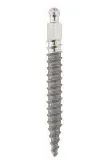
Image: Roderick Dailey · BY-SA 3.0 · Source
Some implants go in the same day a tooth comes out, while others wait months for the socket to heal first. Here's how that timing decision actually gets made.
What Is Immediate Implant Placement?
Immediate implant placement means the implant is placed directly into the socket at the same appointment as the tooth extraction, rather than waiting for the extraction site to heal first.
What Is Delayed Implant Placement?
Delayed implant placement involves extracting the tooth first, allowing the socket to heal for a period of time, generally a few months, before placing the implant into the now-healed site.
What Are the Advantages of Immediate Placement?
This approach reduces the overall total treatment timeline by combining two procedures into one visit, can help preserve some of the socket's natural bone and gum contour, and means fewer total surgical procedures and appointments for the patient.
What Are the Advantages of Delayed Placement?
Waiting allows the extraction site to fully heal and any active infection to completely resolve first, provides a more predictable, fully healed foundation for implant placement, and can be preferable when the extraction site had significant infection or bone loss that benefits from a healing period before further intervention.
When Is Immediate Placement Generally Not Recommended?
If the extraction site has significant active infection, substantial bone loss, or other complicating factors, your surgeon may recommend delayed placement to allow proper healing first, since placing an implant into a compromised, actively infected, or structurally inadequate site carries higher risk of complications.
Does Immediate Placement Require the Same Healing Time Before the Final Crown?
Generally, yes, even with immediate implant placement, the implant still needs adequate time to properly integrate with the bone (osseointegration) before the final crown can be placed, meaning immediate placement primarily saves the separate healing period that would otherwise occur before the implant surgery itself, not the entire overall timeline.
Is There a Middle-Ground Option Between Immediate and Fully Delayed Placement?
Yes, some cases use an approach sometimes called early or delayed-immediate placement, waiting a shorter period, often several weeks, allowing some initial soft tissue healing while still placing the implant sooner than the full extended healing time delayed placement typically involves.
How Does Your Surgeon Decide Which Approach Is Right for You?
This depends on evaluating your specific extraction site's condition, including the presence or absence of infection, the quality and quantity of remaining bone, and your overall healing capacity, with your surgeon recommending the approach most likely to support a successful, predictable outcome for your particular situation.
Does Immediate Placement Carry Higher Risk Than Delayed Placement?
For appropriately selected cases without significant complicating factors, immediate placement has a well-established, generally comparable success rate to delayed placement, though it does require more careful case selection, meaning not every situation is appropriate for this approach.
Can Bone Grafting Be Combined With Immediate Implant Placement?
Yes, in many cases, some bone grafting material is placed alongside the immediate implant to help fill any remaining gaps between the implant and the socket walls, supporting optimal healing and bone support around the new implant.
Does Insurance Coverage Differ Between These Two Approaches?
Coverage generally applies similarly to the overall implant treatment regardless of the specific timing approach used, though it's worth confirming your specific plan's coverage details for your particular treatment plan.