Dental Implants · 8 min read
Implant-Supported Dentures: The Middle Ground Worth Knowing About
- Written by
- 1PleasantonDentist Editorial Team, Editorial team
- Reviewed by
- Editorial team
Image: Logicwhatelse · BY-SA 4.0 · Source
More stable than regular dentures, less involved than full individual implants. Here's exactly how implant-supported dentures work and what they cost.
What Are Implant-Supported Dentures?
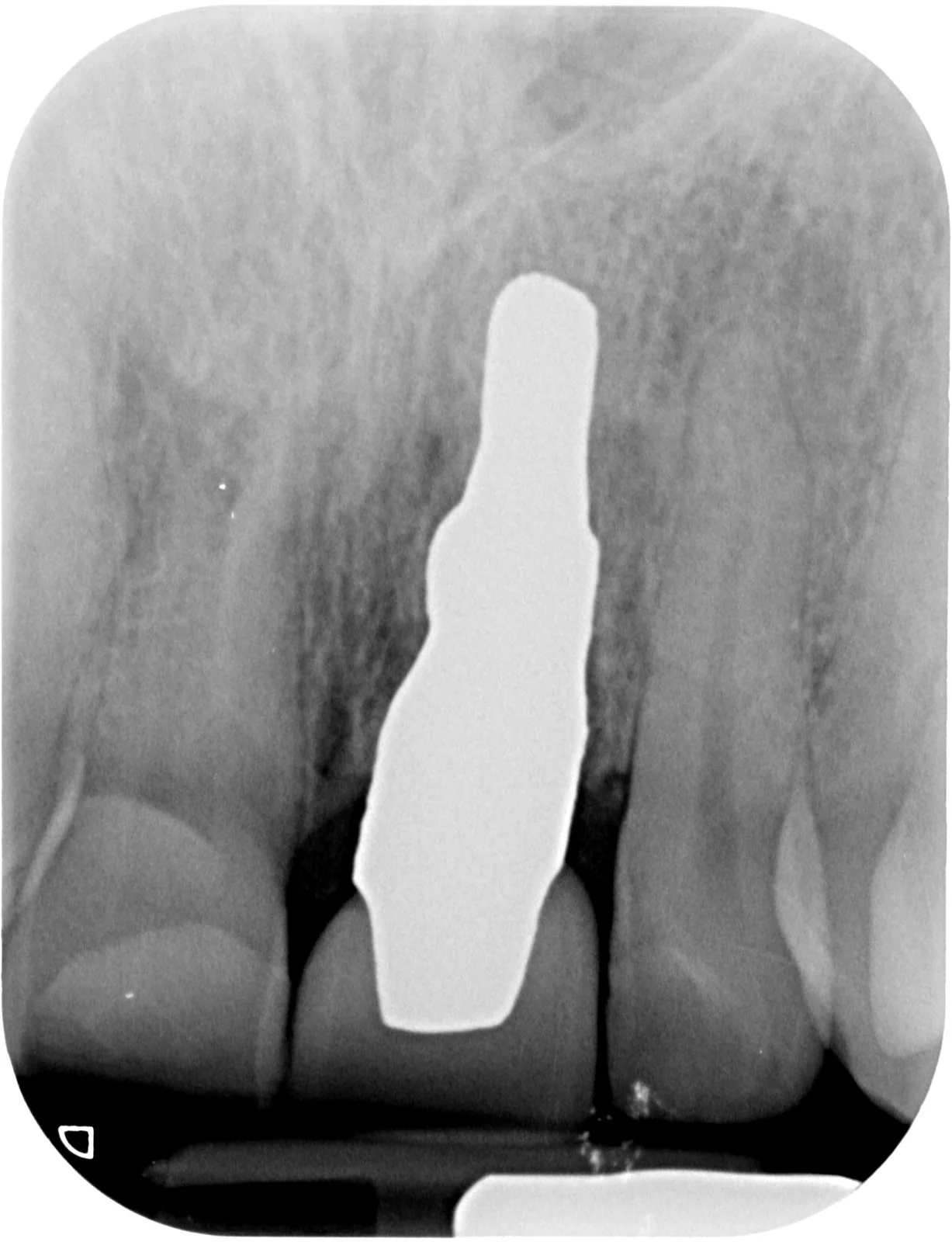
Rather than resting entirely on the gums the way a traditional denture does, implant-supported dentures attach to a small number of dental implants placed in the jawbone, generally four to six per arch depending on the specific approach used, providing significantly more stability than a denture relying on gum tissue and suction alone.
Removable vs. Fixed Implant-Supported Dentures
Some implant-supported dentures are designed to be removable, snapping onto the implants and allowing you to take them out for cleaning, similar in concept to a traditional denture but far more secure while in place. Others are fixed, permanently attached to the implants and only removable by a dentist, functioning much more like a full set of natural, non-removable teeth.
Why Choose This Over a Traditional Denture?
The biggest reason is stability. Traditional dentures, particularly on the lower jaw, can shift or slip during eating and speaking, since they rely on suction and the shape of your gums alone. Implant-supported dentures anchor to something solid in the jawbone, dramatically reducing this movement and making chewing a wider range of foods more comfortable and reliable.
Why Choose This Over Full Individual Implants?
Replacing every single missing tooth with its own dedicated implant is often prohibitively expensive and involves significantly more surgery than most people need. Implant-supported dentures use a smaller number of strategically placed implants to support an entire arch, achieving much of the stability benefit at a meaningfully lower cost and with less overall surgery than individually implanting every tooth.
Who Is a Good Candidate?
Good candidates generally have enough jawbone to support the smaller number of implants needed, are missing most or all teeth in an arch, and are looking for more stability than a traditional denture offers without committing to the higher cost of replacing every individual tooth with its own implant.
The Treatment Process
Similar to standard implant placement, this begins with a consultation and imaging to plan implant positions. The implants are surgically placed and allowed to heal and fuse with the jawbone over a period of months. Once healing is complete, the denture, whether removable or fixed, is attached to the healed implants.
Recovery Compared to Traditional Dentures
Recovery involves the same underlying implant healing timeline as any implant procedure, generally a matter of months for the bone to properly fuse before the final denture is attached, which is a longer process than the fitting of a traditional denture, which doesn't involve any surgery at all.
Maintenance and Care
Removable implant-supported dentures need daily removal and cleaning similar to a traditional denture, along with careful cleaning around the implant attachment points. Fixed versions require a cleaning routine similar to caring for a full-arch fixed bridge, often using specific tools like a water flosser to clean underneath the fixed structure effectively.
Cost Compared to Other Options
Implant-supported dentures generally cost more than a traditional removable denture, reflecting the surgical implant placement involved, but typically cost less than replacing every individual tooth with its own separate implant, since a smaller number of implants support the entire arch.