Dental Implants · 8 min read
Peri-Implantitis: The Gum Disease Equivalent for Dental Implants
- Written by
- 1PleasantonDentist Editorial Team, Editorial team
- Reviewed by
- Editorial team
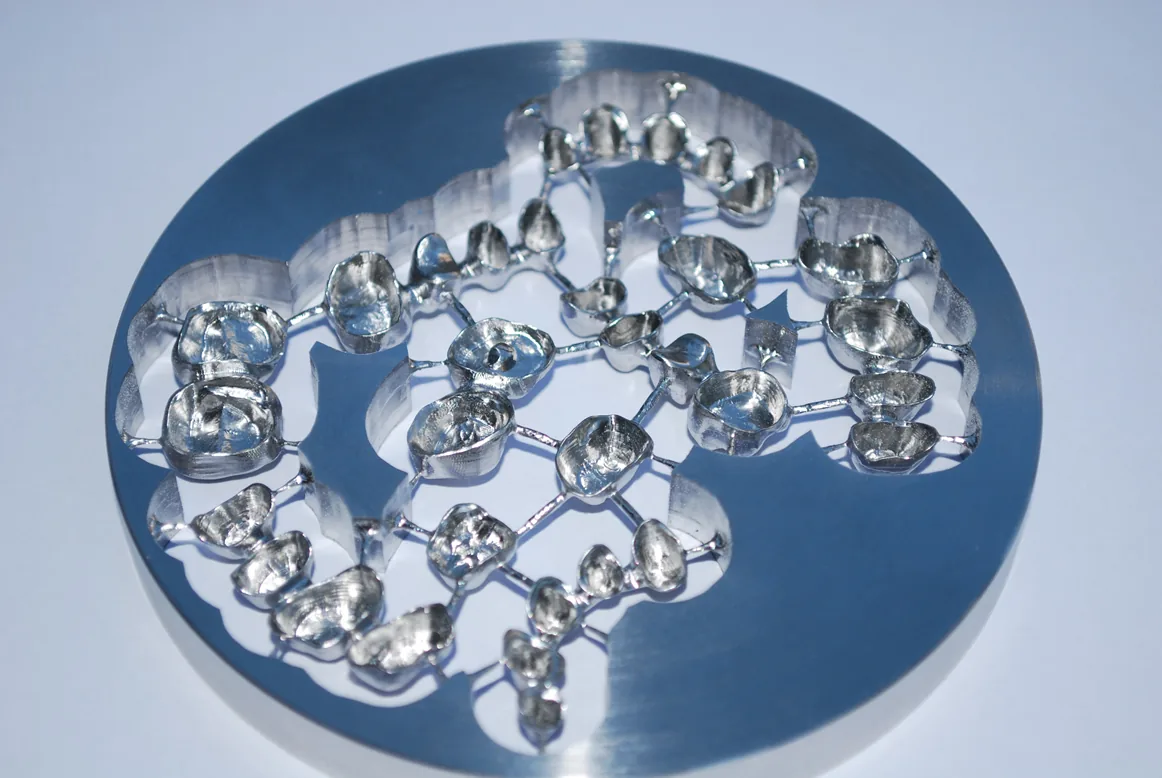
Image: Sescoi CAD/CAM · BY-SA 2.0 · Source
Implants don't get cavities, but they can develop their own serious infection around the surrounding gum and bone. Here's what genuinely protects against it.
What Is Peri-Implantitis?
Peri-implantitis is an inflammatory condition affecting the gum and bone tissue surrounding a dental implant, caused by bacterial infection, leading to progressive bone loss around the implant if left untreated.
How Is This Different From Peri-Implant Mucositis?
Peri-implant mucositis refers to inflammation limited to the soft gum tissue around an implant, without yet involving bone loss, essentially the implant equivalent of gingivitis. Peri-implantitis represents progression beyond this stage to include actual bone loss around the implant, similar to how periodontitis represents progression beyond gingivitis around natural teeth.
What Causes Peri-Implantitis?
Bacterial plaque accumulation around the implant, similar to how plaque causes gum disease around natural teeth, is the primary underlying cause, with risk factors including inadequate oral hygiene, smoking, a history of gum disease, and poorly controlled diabetes all increasing susceptibility.
What Are the Symptoms of Peri-Implantitis?
Redness and swelling of the gum tissue around the implant, bleeding when brushing or flossing that area, in some cases pus or discharge, and in more advanced cases, looseness of the implant or a change in how it feels, are characteristic symptoms.
Can Peri-Implantitis Develop Even With an Otherwise Successful, Well-Integrated Implant?
Yes, this is a genuinely important point — an implant can integrate successfully and function well for years before peri-implantitis develops, meaning ongoing, consistent long-term care remains essential well beyond the initial healing period, not just something relevant early on.
How Is Peri-Implantitis Diagnosed?
Your dentist evaluates the gum tissue around the implant, measures pocket depths similar to how gum health is assessed around natural teeth, and uses X-rays to check for bone loss around the implant, comparing to previous imaging when available to identify any change over time.
Is Regular Monitoring Important for Catching This Early?
Yes, genuinely important — regular checkups specifically evaluating your implant's surrounding tissue and bone level allow early identification of peri-implant mucositis before it potentially progresses to the more serious peri-implantitis, making consistent follow-up care a meaningful part of protecting your investment.
How Is Peri-Implant Mucositis (the Earlier Stage) Treated?
This earlier, soft-tissue-only stage is often effectively managed with professional cleaning around the implant and improved home hygiene technique specifically targeting that area, similar to how gingivitis is managed around natural teeth.
How Is Established Peri-Implantitis Treated?
Treatment is more involved given the bone loss already present, potentially including more intensive cleaning below the gum line around the implant, and in more significant cases, surgical intervention to address the affected bone and tissue, with treatment tailored to the specific severity identified.
Can Peri-Implantitis Lead to Implant Loss?
Yes, if left untreated or if it doesn't respond adequately to treatment, progressive bone loss can eventually compromise the implant's stability enough to require its removal, making this genuinely the most significant long-term threat to an otherwise successfully placed implant.
What Can You Do to Prevent Peri-Implantitis?
Consistent, thorough daily cleaning specifically around the implant, using tools your dentist recommends for this purpose, avoiding smoking, managing any relevant underlying health conditions like diabetes, and attending regular dental checkups specifically monitoring your implant's health are all genuinely important preventive practices.