Dental Implants · 8 min read
Post-Implant Surgery Recovery: A Realistic Week-by-Week Timeline
- Written by
- 1PleasantonDentist Editorial Team, Editorial team
- Reviewed by
- Editorial team
Image: Schnäggli · BY-SA 3.0 · Source
Dental implant recovery unfolds over months, not days, but each phase has its own specific expectations for diet, discomfort, and healing.
What Happens in the First 24 to 48 Hours After Implant Surgery?
This is typically the period of most significant swelling and discomfort, managed with prescribed or recommended pain relief, ice application to reduce swelling, and a liquid or very soft diet, avoiding any pressure on the surgical site.
What Should You Eat in the First Few Days After Surgery?
Soft foods requiring minimal chewing, such as yogurt, smoothies, mashed potatoes, and soup at a comfortable temperature, are appropriate during this initial period, while avoiding hot foods and drinks that could increase bleeding or discomfort at the surgical site.
When Can You Start Eating Slightly Firmer Foods?
This varies by individual healing, but many patients can gradually introduce softer solid foods within about a week, avoiding the surgical site specifically and continuing to avoid very hard, crunchy, or chewy foods until further healed.
How Long Does Initial Surface Healing Typically Take?
The gum tissue at the surgical site generally shows significant surface healing within one to two weeks, though this represents only the visible, surface-level healing, not the deeper bone integration process still ongoing beneath.
What Is Happening Beneath the Surface During This Time?
The implant is gradually integrating with the surrounding jawbone through a process called osseointegration, which continues over a much longer period than the visible surface healing, typically requiring several months for adequate, stable integration.
How Long Does Full Osseointegration Typically Take?
This varies by individual and by the specific bone quality involved, but generally ranges from a few months, sometimes extending longer in the lower jaw versus the upper jaw given differences in typical bone density between these locations.
When Can You Return to Normal Activities Like Exercise?
Light activity can often resume within a few days, though your dentist may recommend avoiding strenuous exercise for a week or more following surgery, since increased blood pressure from vigorous activity could affect healing and increase swelling or bleeding risk in the initial recovery period.
When Does the Final Crown or Restoration Get Placed?
This depends on your specific treatment plan, but generally happens once osseointegration is confirmed as adequate, often several months after the initial implant placement, unless you received an immediate-load implant with same-day restoration.
Does Smoking Affect This Recovery Timeline?
Yes, smoking is well documented to slow healing and increase complication risk during implant recovery, making avoiding smoking during this critical period, ideally well beyond it, particularly important for supporting successful integration.
What Symptoms During Recovery Should Prompt a Call to Your Dentist?
Significant, worsening pain rather than gradual improvement, persistent or increasing swelling beyond the first few days, signs of infection like fever or pus, or the sense that the implant feels loose or unstable are all reasons to contact your dental team promptly.
Can You Wear a Removable Denture Over the Healing Implant Site?
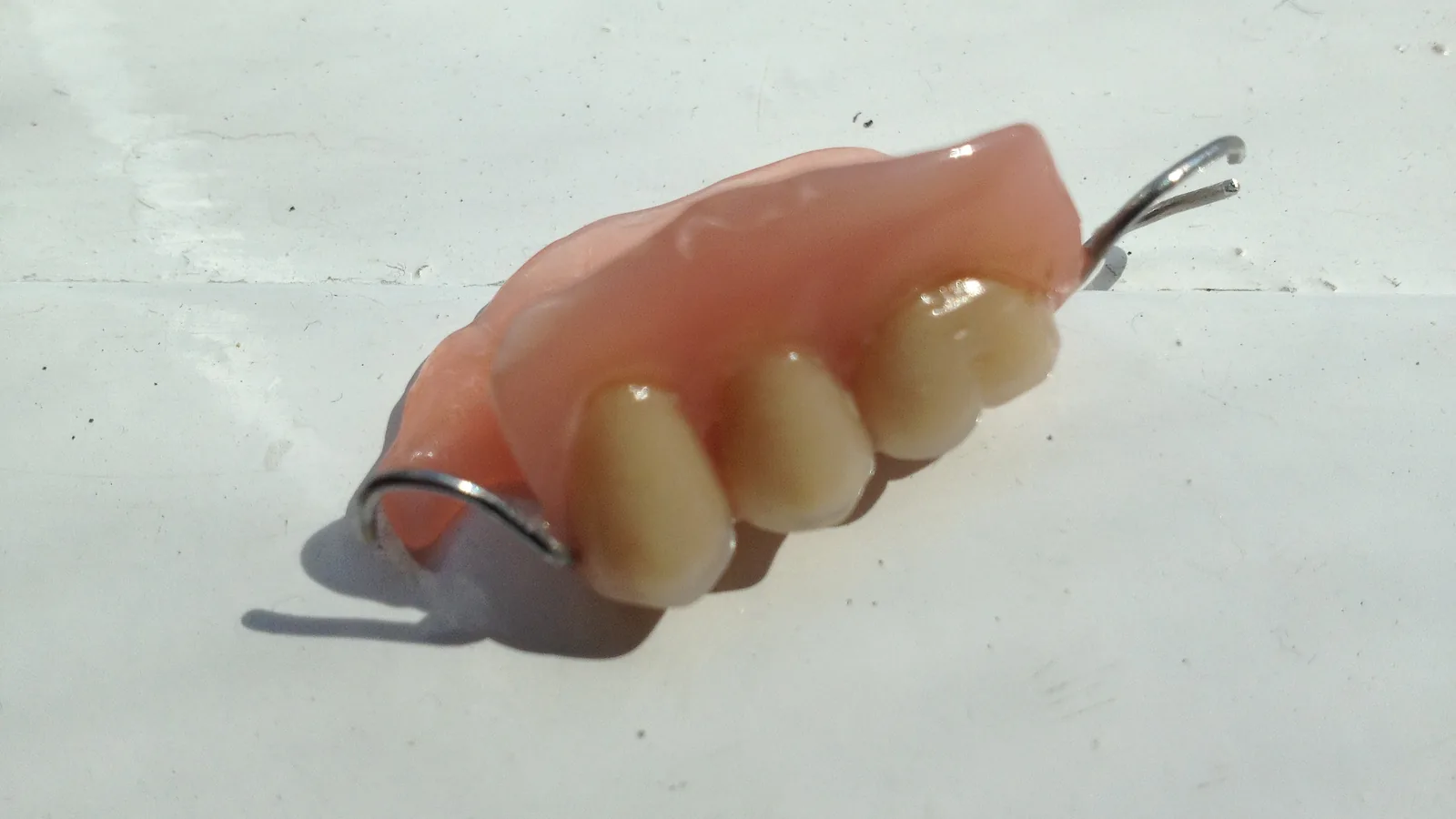
This depends on your specific treatment plan, and your dentist will provide clear guidance on whether and how any interim removable appliance can be used during healing without disturbing the implant site.