
Rare Conditions and Genetics · 8 min read
Amelogenesis Imperfecta: The Genetic Condition Behind Weak Enamel
- Written by
- 1PleasantonDentist Editorial Team, Editorial team
- Reviewed by
- Editorial team
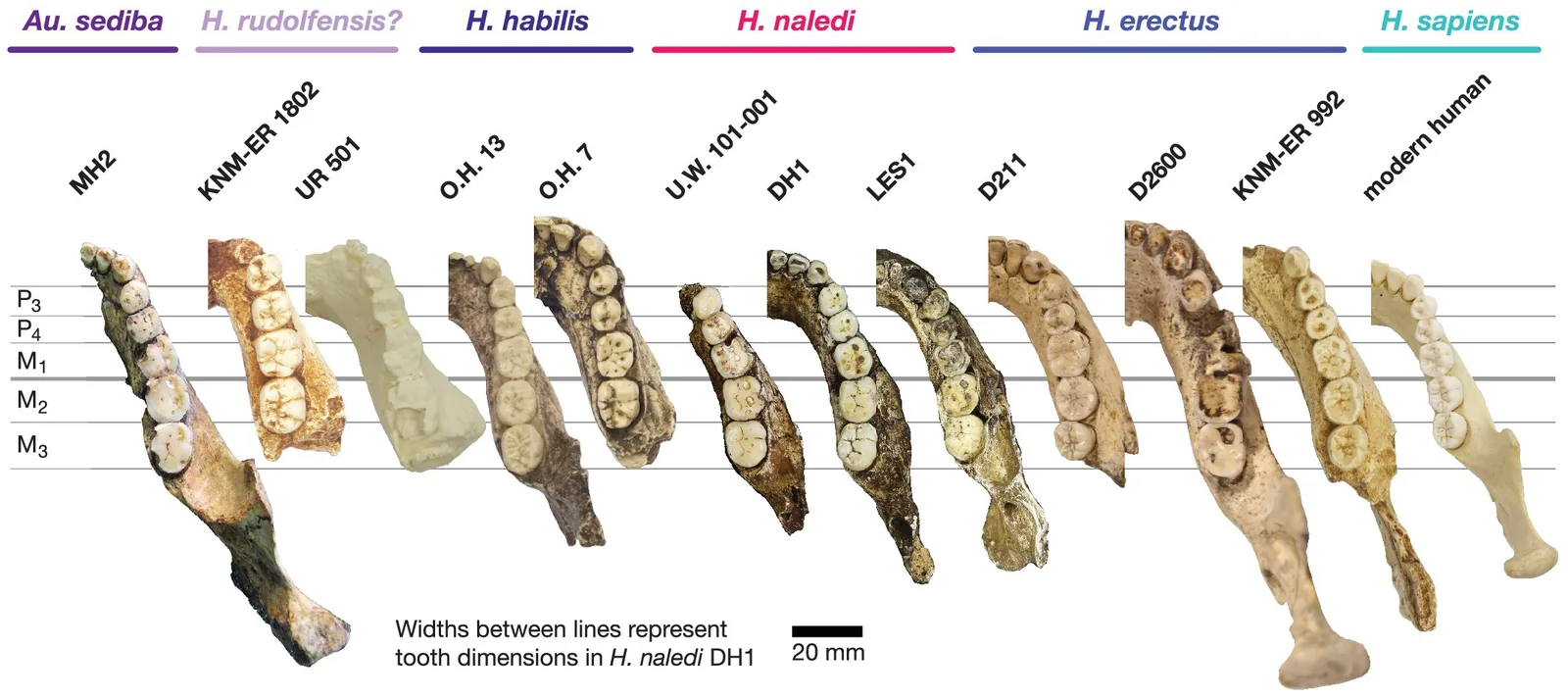
Image: John Hawks, Marina Elliott, Peter Schmid, Steven E. Churchill, Darryl J. de Ruiter, Eric M. Roberts, Hannah Hilbert-Wolf, Heather M. Garvin, Scott A. Williams, Lucas K. Delezene, Elen M. Feuerriegel, Patrick Randolph-Quinney, Tracy L. Kivell, Myra F. Laird, Gaokgatlhe Tawane, Jeremy M. DeSilva, Shara E. Bailey, Juliet K. Brophy, Marc R. Meyer, Matthew M. Skinner, Matthew W. Tocheri, Caroline VanSickle, Christopher S. Walker, Timothy L. Campbell, Brian Kuhn, Ashley Kruger, Steven Tucker, Alia Gurtov, Nompumelelo Hlophe, Rick Hunter, Hannah Morris, Becca Peixotto, Maropeng Ramalepa, Dirk van Rooyen, Mathabela Tsikoane, Pedro Boshoff, Paul H.G.M. Dirks, Lee R. Berger · BY 4.0 · Source
Some people are born with enamel that never fully develops normal strength or appearance. Here's what this genetic condition involves and how it's managed.
What Is Amelogenesis Imperfecta?
Amelogenesis imperfecta is a genetic condition affecting the development of tooth enamel, resulting in teeth with enamel that's thinner, softer, more prone to wear and staining, or otherwise structurally different from typically developed enamel.
What Does It Actually Look Like?
Depending on the specific type and severity, affected teeth can appear discolored, ranging from yellow-brown to a mottled or translucent appearance, sometimes with pitting or grooves on the enamel surface, and can be more prone to sensitivity given the enamel's reduced protective quality.
Are There Different Types of Amelogenesis Imperfecta?
Yes, this condition is generally classified into several types based on the specific enamel defect involved, including types affecting enamel thickness, hardness, and mineralization, each with somewhat different clinical appearances and management considerations.
Does It Affect Both Baby Teeth and Permanent Teeth?
Yes, since this is a genetic condition affecting how enamel forms generally, it typically affects both the primary (baby) teeth and the permanent teeth that follow, meaning management is relevant across a person's entire dental development, not just one set of teeth.
Is Amelogenesis Imperfecta Common?
No, this is considered a relatively rare genetic condition, though awareness matters for the individuals and families affected, since proper diagnosis and management significantly affect outcomes and quality of life for those living with it.
How Is Amelogenesis Imperfecta Diagnosed?
A dentist familiar with this condition can often recognize the characteristic appearance during an exam, sometimes supported by imaging and, in some cases, genetic testing or consultation with a geneticist, particularly relevant given the condition's hereditary nature and potential implications for family planning discussions.
What Problems Does This Condition Cause Beyond Appearance?
Because the enamel is structurally weaker, affected teeth are often more prone to wear, chipping, and sensitivity, and in more significant cases, the compromised enamel can make teeth more vulnerable to decay as well, given the reduced protective barrier normally provided by healthy enamel.
How Is Amelogenesis Imperfecta Treated?
Treatment is generally tailored to the specific severity and pattern involved, ranging from bonding or veneers for milder cosmetic concerns, to crowns providing more complete protection and restoration for more significantly affected teeth, with a comprehensive treatment plan often developed collaboratively between a general dentist, prosthodontist, or pediatric dentist depending on the patient's age.
Does This Condition Require Lifelong Dental Management?
Yes, given that this affects the fundamental structure of the teeth from development onward, ongoing monitoring and, often, progressive restorative treatment as a person grows and their dental needs evolve, is typically part of a comprehensive, long-term management approach.
Can Amelogenesis Imperfecta Be Prevented?
No, since this is a genetic condition present from tooth development, it can't be prevented in the traditional sense, though genetic counseling can help affected families understand inheritance patterns and potential implications for future children.
Is There a Cure for Amelogenesis Imperfecta?
There's currently no cure that would restore the enamel to typical structure and appearance, meaning management focuses on protecting and restoring the affected teeth through the restorative approaches described above, rather than reversing the underlying genetic condition itself.
Should Someone with This Condition See a Specialist?
Yes, given the condition's complexity and lifelong management needs, involvement of dental specialists experienced with this specific condition, sometimes at academic dental centers with particular expertise in rare dental genetic conditions, can provide more comprehensive, informed care than a general practice alone might offer.