Rare Conditions and Genetics · 8 min read
Cerebral Palsy and Oral Health: The Documented Elevated Cavity Risk
- Written by
- 1PleasantonDentist Editorial Team, Editorial team
- Reviewed by
- Editorial team
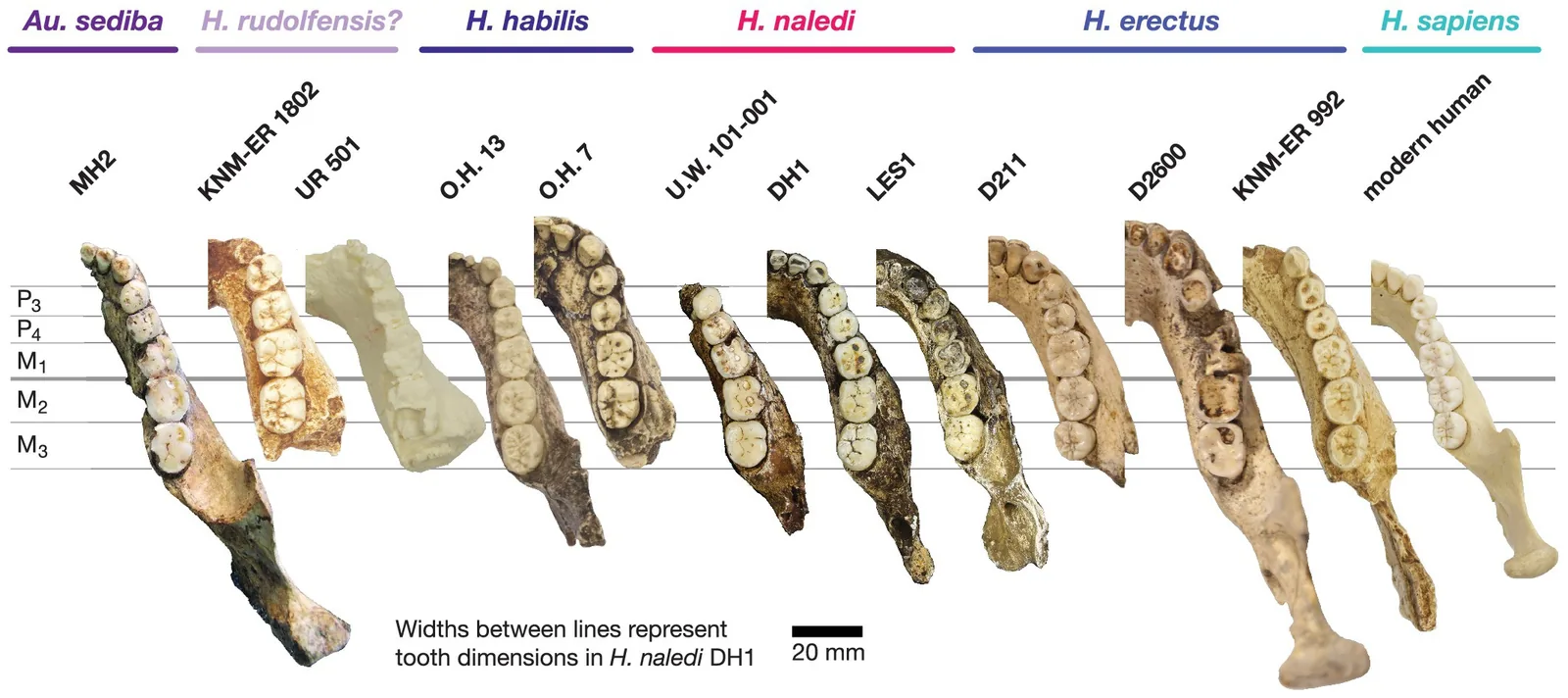
Image: John Hawks, Marina Elliott, Peter Schmid, Steven E. Churchill, Darryl J. de Ruiter, Eric M. Roberts, Hannah Hilbert-Wolf, Heather M. Garvin, Scott A. Williams, Lucas K. Delezene, Elen M. Feuerriegel, Patrick Randolph-Quinney, Tracy L. Kivell, Myra F. Laird, Gaokgatlhe Tawane, Jeremy M. DeSilva, Shara E. Bailey, Juliet K. Brophy, Marc R. Meyer, Matthew M. Skinner, Matthew W. Tocheri, Caroline VanSickle, Christopher S. Walker, Timothy L. Campbell, Brian Kuhn, Ashley Kruger, Steven Tucker, Alia Gurtov, Nompumelelo Hlophe, Rick Hunter, Hannah Morris, Becca Peixotto, Maropeng Ramalepa, Dirk van Rooyen, Mathabela Tsikoane, Pedro Boshoff, Paul H.G.M. Dirks, Lee R. Berger · BY 4.0 · Source
Motor control differences, medication effects, and feeding patterns combine to create genuinely elevated dental risk factors worth proactively addressing.
What Is Cerebral Palsy?
Cerebral palsy (CP) is a group of conditions affecting movement and muscle coordination, resulting from injury or abnormal development affecting the brain, typically occurring before, during, or shortly after birth, with a wide range of severity and specific presentation between individuals.
Why Is Cavity Risk Documented as Elevated in Cerebral Palsy?
Several contributing factors have been identified, including reduced ability to self-clean the mouth through normal tongue and cheek movement, difficulty with effective home hygiene given motor control challenges, dietary patterns sometimes involving softer, more processed foods that can be more cavity-promoting, and in some cases, medication side effects including dry mouth.
Can Motor Control Differences Affect Home Oral Hygiene?
Yes, genuinely significantly — difficulty controlling hand and arm movement can make effective toothbrushing and flossing considerably more challenging, making adapted tools and, for some individuals, caregiver-assisted hygiene genuinely important, practical considerations.
What Adapted Tools Can Help With Oral Hygiene for CP?
An electric toothbrush requiring less fine motor precision, a toothbrush with an adapted, easier-to-grip handle, and positioning aids helping maintain a stable, comfortable position during hygiene tasks are all practical accommodations your dentist or an occupational therapist can help identify.
Does Cerebral Palsy Affect Swallowing and Feeding in Ways Relevant to Dental Health?
Yes, some individuals with CP experience swallowing difficulties affecting diet texture and consistency, which can be relevant to cavity risk depending on the specific foods involved, and is also relevant to safe management during dental procedures involving water or other materials.
Can Muscle Tone Differences Affect the Jaw and Bite?
Yes, some individuals with CP experience differences in jaw muscle tone, which can be relevant to bite development, jaw opening for dental procedures, and in some cases, may relate to trismus or other jaw movement considerations discussed elsewhere.
Does Reflux Commonly Occur Alongside CP, and Is This Relevant to Dental Health?
Yes, gastroesophageal reflux is documented as more common in individuals with CP, making the acid erosion considerations discussed regarding GERD elsewhere a genuinely relevant, additional consideration for this population's dental risk profile.
Should Dental Checkup Frequency Be Increased for Someone With CP?
Yes, given the well-documented elevated cavity risk from multiple compounding factors, many dental professionals recommend more frequent monitoring and preventive care than the standard schedule.
Can Positioning Assistance Help During Dental Procedures for CP Patients?
Yes, appropriate positioning support, sometimes including specific stabilization devices or techniques, can help both comfort and safety during dental treatment for individuals with significant motor control differences affecting their ability to maintain a stable position.
Should Caregivers Be Actively Involved in Ongoing Oral Hygiene?
For many individuals with CP, particularly those with more significant motor involvement, caregiver-assisted or caregiver-performed oral hygiene is a genuinely important, relevant part of maintaining adequate oral health, and your dentist can provide specific technique guidance.
Is Sedation Sometimes Necessary for Adequate Dental Treatment in This Population?
For some individuals, particularly with more significant motor control challenges affecting the ability to tolerate standard treatment, sedation options discussed elsewhere may be a reasonable, appropriate consideration to discuss with your dental team.