Rare Conditions and Genetics · 8 min read
Muscular Dystrophy and Oral Health: Jaw Weakness and Bite Changes
- Written by
- 1PleasantonDentist Editorial Team, Editorial team
- Reviewed by
- Editorial team
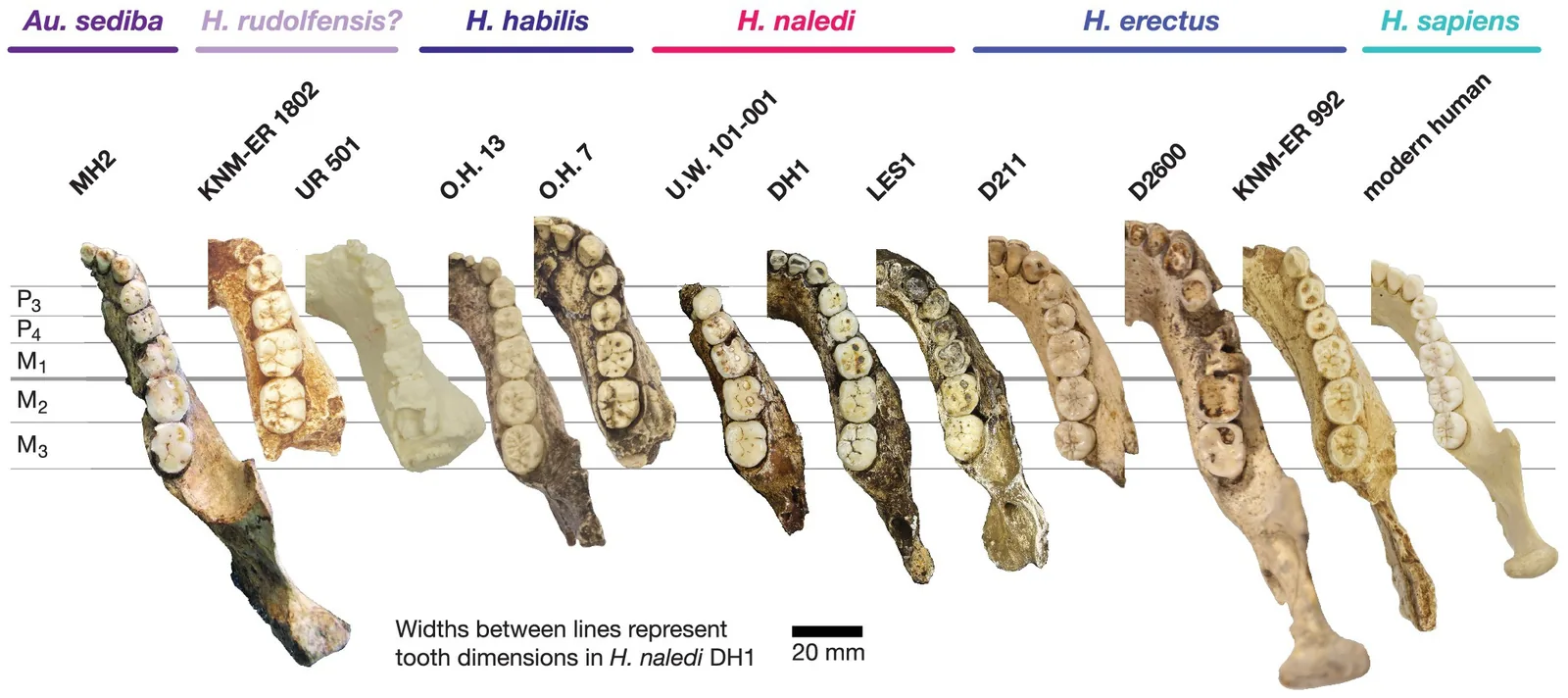
Image: John Hawks, Marina Elliott, Peter Schmid, Steven E. Churchill, Darryl J. de Ruiter, Eric M. Roberts, Hannah Hilbert-Wolf, Heather M. Garvin, Scott A. Williams, Lucas K. Delezene, Elen M. Feuerriegel, Patrick Randolph-Quinney, Tracy L. Kivell, Myra F. Laird, Gaokgatlhe Tawane, Jeremy M. DeSilva, Shara E. Bailey, Juliet K. Brophy, Marc R. Meyer, Matthew M. Skinner, Matthew W. Tocheri, Caroline VanSickle, Christopher S. Walker, Timothy L. Campbell, Brian Kuhn, Ashley Kruger, Steven Tucker, Alia Gurtov, Nompumelelo Hlophe, Rick Hunter, Hannah Morris, Becca Peixotto, Maropeng Ramalepa, Dirk van Rooyen, Mathabela Tsikoane, Pedro Boshoff, Paul H.G.M. Dirks, Lee R. Berger · BY 4.0 · Source
Progressive muscle weakness affecting the jaw and face genuinely changes both hygiene ability and bite development over time in this population.
What Is Muscular Dystrophy?
Muscular dystrophy refers to a group of genetic conditions causing progressive muscle weakness and degeneration, with several distinct types varying in which muscles are affected, the rate of progression, and typical age of onset.
Can Muscular Dystrophy Affect the Jaw and Facial Muscles?
Yes, depending on the specific type, weakness affecting the jaw, lips, and facial muscles is a documented feature in several forms of muscular dystrophy, relevant both to bite development and to practical functions like chewing and maintaining lip closure.
How Does Jaw Muscle Weakness Affect Bite Development?
In some forms of muscular dystrophy, particularly when onset occurs during childhood while the jaw and teeth are still developing, weakened jaw muscle function has been associated with specific bite pattern changes, including an open bite in some documented cases, related to altered muscle forces during this developmental period.
Does Facial Muscle Weakness Affect Oral Hygiene?
Yes, genuinely relevant — reduced lip and cheek muscle tone can affect the natural, ongoing self-cleaning function these muscles normally provide, potentially allowing more food debris and plaque accumulation than would occur with typical muscle function.
Can Hand and Arm Weakness From Muscular Dystrophy Affect Toothbrushing?
Yes, depending on the specific type and stage of progression, weakness affecting the arms and hands can make effective toothbrushing and flossing genuinely more physically challenging, making adapted tools and, as the condition progresses, caregiver-assisted hygiene increasingly relevant considerations.
What Adapted Tools Can Help With This Progressive Challenge?
An electric toothbrush requiring less physical effort and precision, an adapted, easier-to-grip handle, and positioning supports helping maintain a stable, comfortable position during hygiene tasks are practical accommodations your dentist or an occupational therapist can help identify and adjust as needs change over time.
Does Muscular Dystrophy Affect Swallowing in Ways Relevant to Dental Care?
For some forms and stages, particularly as the condition progresses, swallowing difficulties can develop, which is relevant information for your dental team regarding safe management during procedures and also relevant to your broader medical care team.
Can Muscular Dystrophy Affect Anesthesia Considerations During Dental Procedures?
Yes, this is a genuinely important consideration — certain types of muscular dystrophy carry specific anesthesia-related risks that your dental team and, particularly for any sedation beyond simple local anesthesia, your broader medical team need to carefully consider, making disclosure of your specific type of muscular dystrophy genuinely important.
Should Dental Care Be Coordinated With a Neurologist or Other Specialist for This Population?
Yes, particularly given the anesthesia considerations and progressive nature of many forms of this condition, coordination between your dental team and your neurologist or other treating specialist supports safer, more appropriately planned care over time.
Should Dental Checkup Frequency Increase as Muscular Dystrophy Progresses?
This is a reasonable, evolving consideration to discuss with your dentist as your specific situation changes over time, since progressive changes to hygiene ability and jaw function may warrant closer monitoring at different stages.