Systemic Health Connections · 8 min read
Antidepressants and Oral Health: The Dry Mouth and Grinding Connection
- Written by
- 1PleasantonDentist Editorial Team, Editorial team
- Reviewed by
- Editorial team
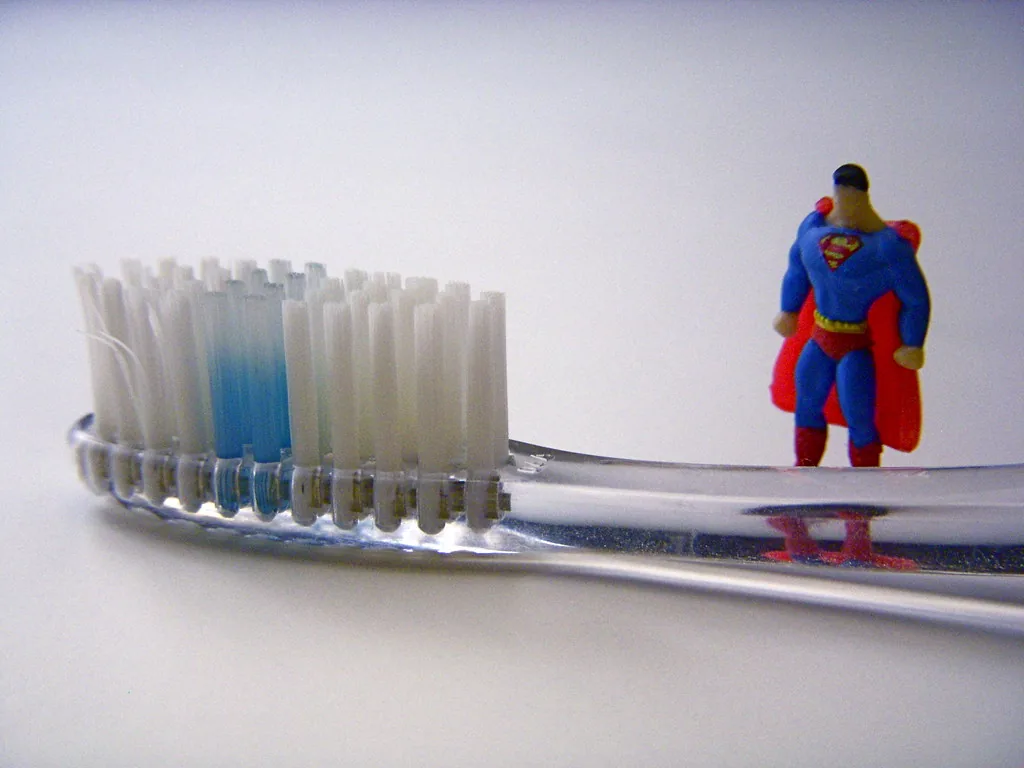
Image: JD Hancock · BY 2.0 · Source
Several common antidepressant classes are genuinely associated with dry mouth and, in some cases, increased teeth grinding. Here's what actually helps.
Why Do Antidepressants Commonly Cause Dry Mouth?
Many antidepressant medications, across several different drug classes, list dry mouth as a common side effect, related to how these medications affect certain neurotransmitter systems that also influence saliva gland function.
Which Types of Antidepressants Are Most Associated With Dry Mouth?
Older tricyclic antidepressants are particularly well known for this side effect, though many newer medications, including various SSRIs and SNRIs, also commonly list dry mouth among their documented side effects, meaning this concern spans across different antidepressant categories rather than being limited to one specific class.
Why Does Dry Mouth From Medication Matter for Dental Health?
As discussed elsewhere regarding dry mouth generally, saliva plays an important protective role against cavities and gum disease, meaning medication-induced dry mouth genuinely elevates cavity risk, making this a relevant consideration for anyone on these medications, not simply an uncomfortable but otherwise inconsequential side effect.
Is There Also a Connection Between Antidepressants and Teeth Grinding?
Yes, this is a less widely known but genuinely documented connection — certain antidepressant medications, particularly some SSRIs, have been associated with new or worsened teeth grinding (bruxism) in some patients, representing a separate mechanism from the dry mouth side effect.
Should You Stop Your Antidepressant If You Notice These Side Effects?
No, never stop or adjust an antidepressant medication on your own, given the importance of consistent treatment for your underlying mental health condition, and instead discuss these dental side effects with your prescribing physician, who can consider whether an adjustment or alternative medication might be appropriate while maintaining your overall treatment effectiveness.
Should You Get a Nightguard if Grinding Develops After Starting an Antidepressant?
Yes, this is a reasonable, practical step to discuss with your dentist if you notice new or worsened grinding after starting a relevant medication, protecting your teeth from this mechanical effect while the underlying medication-related cause is separately addressed with your prescribing physician if needed.
Does Everyone Taking Antidepressants Experience These Side Effects?
No, individual response varies considerably, with some patients experiencing significant dry mouth or grinding and others noticing no dental-related side effects at all, meaning this isn't a universal, guaranteed experience for every patient on these medications.
Should You Tell Your Dentist You're Taking an Antidepressant?
Yes, always disclose your complete, current medication list to your dentist, since this information helps them understand and appropriately monitor for these specific, documented potential side effects relevant to your oral health.
Can More Frequent Dental Checkups Help Manage These Risks?
Yes, given the elevated cavity risk from dry mouth and the potential for teeth grinding, more frequent monitoring than the standard schedule is a reasonable consideration to discuss with your dentist if you're experiencing either of these documented side effects.
Is This Connection a Reason to Avoid Necessary Antidepressant Treatment?
No, absolutely not — appropriately treating a mental health condition remains genuinely important, and these dental side effects, while real and worth managing proactively, are generally manageable with the strategies discussed here rather than a reason to avoid necessary treatment.