Systemic Health Connections · 8 min read
Crohn's Disease and Oral Health: When Symptoms Show Up in the Mouth First
- Written by
- 1PleasantonDentist Editorial Team, Editorial team
- Reviewed by
- Editorial team
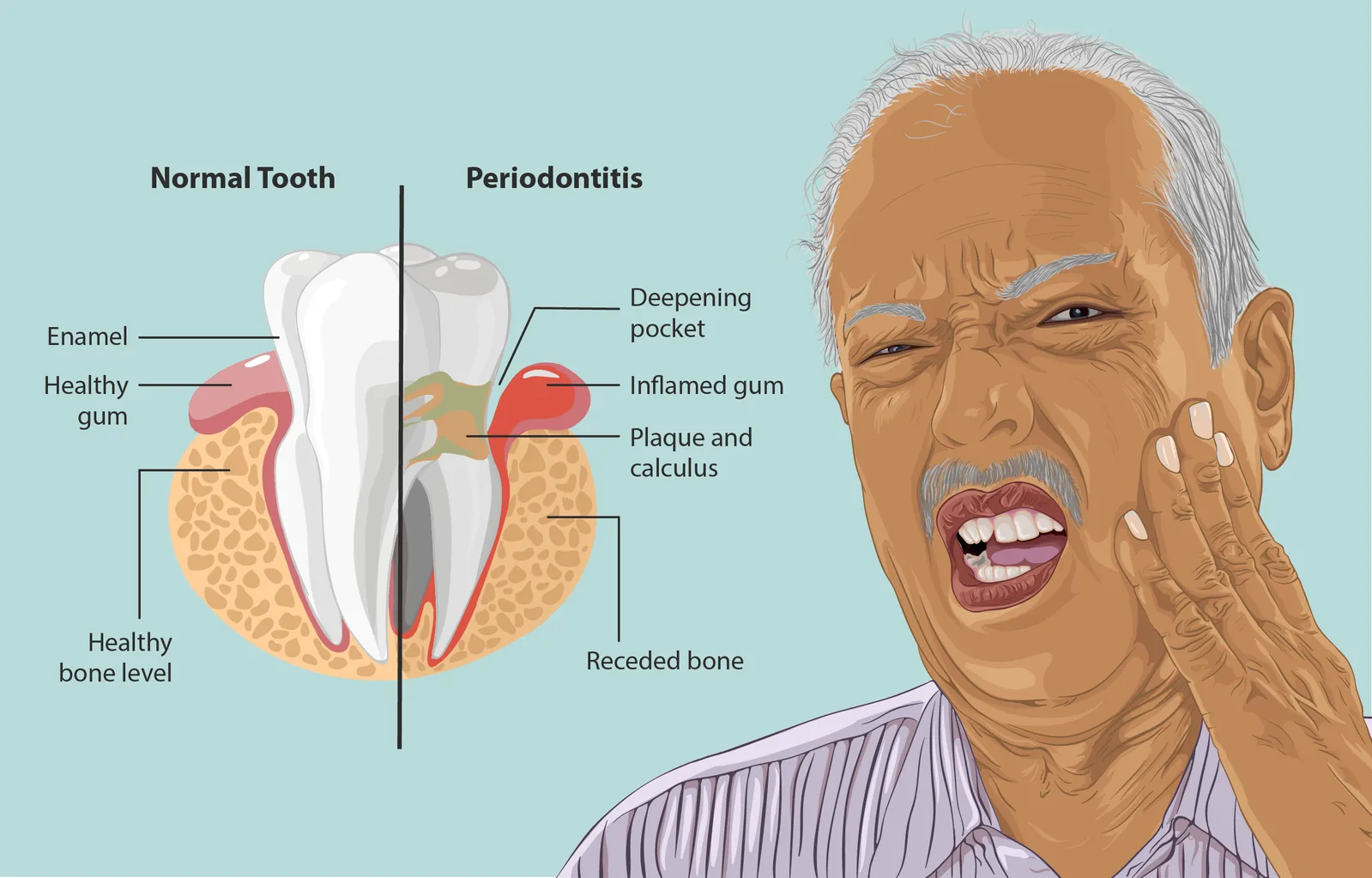
Image: https://www.myupchar.com/en · BY-SA 4.0 · Source
This inflammatory bowel condition can affect any part of the digestive tract, including the mouth, sometimes causing oral symptoms before digestive ones.
What Is Crohn's Disease?
Crohn's disease is a chronic inflammatory bowel disease causing inflammation that can affect any part of the digestive tract, from the mouth to the anus, though it most commonly and classically affects the small intestine and colon.
What Oral Symptoms Are Associated With Crohn's Disease?
Recurrent mouth sores, including a specific pattern sometimes called "cobblestone" appearance of the inner cheek tissue related to swelling and a characteristic texture, swollen lips, and in some cases, deep, linear ulcerations in the folds between the gums and cheeks are documented oral manifestations.
What Does the "Cobblestone" Pattern Actually Look Like?
This describes a specific, irregular, bumpy or cobblestone-like texture to the inner cheek tissue, related to the same type of inflammatory tissue changes occurring in the intestine, appearing in the mouth as a genuinely recognizable, specific pattern experienced dental professionals are trained to identify.
Can Oral Symptoms of Crohn's Disease Occur Without Any Digestive Symptoms?
Yes, this is a genuinely important, sometimes underappreciated point — in some documented cases, oral manifestations have appeared as an early or even isolated sign, sometimes prompting further medical investigation that led to a Crohn's disease diagnosis, even before classic intestinal symptoms became prominent or were connected to the same underlying cause.
Are Canker Sores From Crohn's Disease Different From Typical Canker Sores?
They can sometimes be more severe, more frequent, or take longer to heal compared to typical, occasional canker sores, related to the underlying chronic inflammatory process, though distinguishing this from typical, unrelated canker sores requires clinical evaluation considering your broader health picture.
Should a Dentist Recommend Medical Evaluation if They Notice These Specific Oral Patterns?
Yes, a dentist recognizing a presentation genuinely suggestive of Crohn's-related oral involvement, particularly the characteristic cobblestone pattern or unusually persistent, severe mouth ulceration, would appropriately recommend medical evaluation rather than simply treating the oral symptoms in isolation.
Does Treating Crohn's Disease Improve Associated Oral Symptoms?
Often, yes, as the underlying inflammatory condition is brought under better control through appropriate medical treatment, associated oral manifestations frequently improve as well, though this varies by individual and by how effectively the underlying disease is being managed.
Can Crohn's Disease Medications Themselves Affect Oral Health?
Some medications used to manage Crohn's disease, including certain immunosuppressive treatments, carry their own separate considerations relevant to dental care, similar to the broader immunosuppression considerations discussed elsewhere, making disclosure of your specific treatment regimen relevant to your dental team.
Should People With Crohn's Disease Mention This to Their Dentist Even Without Current Oral Symptoms?
Yes, disclosing this diagnosis provides relevant context for your dentist, both regarding potential oral manifestations to watch for and regarding any relevant medication considerations, even during periods when you're not experiencing active oral symptoms.
Does Nutritional Malabsorption From Crohn's Disease Affect Oral Health Separately From Direct Oral Inflammation?
Yes, similar to celiac disease discussed elsewhere, Crohn's disease can affect nutrient absorption, potentially contributing to broader nutritional deficiencies relevant to oral tissue health, representing an additional, separate pathway through which this condition can be relevant to dental health.
Can Oral Crohn's Symptoms Flare and Improve Independently of Intestinal Symptoms?
This can vary by individual, with some experiencing oral symptoms that track closely with their overall disease activity, while others may notice some independence between their oral and intestinal symptom patterns, making individual tracking with both your gastroenterologist and dentist useful.