Systemic Health Connections · 8 min read
Dental Care for Bariatric Surgery Patients: What Actually Changes
- Written by
- 1PleasantonDentist Editorial Team, Editorial team
- Reviewed by
- Editorial team
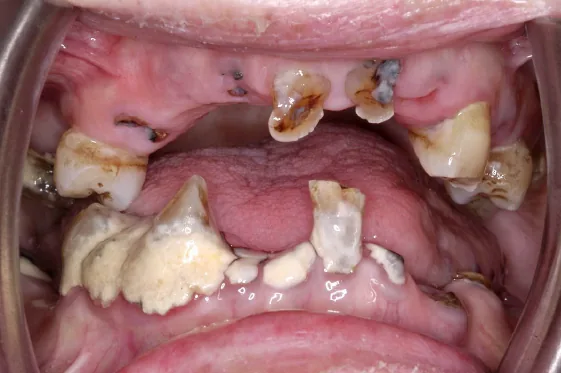
Image: Warren Schneider · BY-SA 4.0 · Source
Weight loss surgery affects nutrient absorption in ways that genuinely matter for your teeth. Here's what dentists watch for before and after the procedure.
Why Does Bariatric Surgery Affect Dental Health?
Depending on the specific type of procedure, bariatric surgery can reduce how much of certain nutrients, including calcium and vitamin D, the body is able to absorb from food, and both of these nutrients play a genuine role in supporting tooth and jawbone health over time.
Should You See a Dentist Before Bariatric Surgery?
Yes, many bariatric surgery programs recommend or require a pre-surgical dental evaluation, addressing any existing dental issues beforehand and establishing a baseline before the significant dietary and nutritional changes surgery will bring.
How Does Nutrient Absorption Change After Surgery?
This varies by the specific type of bariatric procedure, with some types having a more significant effect on nutrient absorption than others, meaning your specific surgical approach is relevant to understanding your individual level of ongoing nutritional risk.
Are Bariatric Surgery Patients at Higher Risk for Cavities?
Some patients experience an elevated cavity risk following surgery, related to factors including changes in diet, potential nutrient absorption changes, and in some cases, more frequent smaller meals or snacking patterns that can occur during the post-surgical dietary adjustment period.
Can Frequent Vomiting After Surgery Affect Teeth?
Yes, if a patient experiences frequent vomiting, particularly common in the initial adjustment period after certain procedures, this exposes teeth to stomach acid, which can contribute to enamel erosion over time, similar to the erosion pattern discussed with other causes of frequent vomiting.
Should Post-Surgical Patients Be Extra Careful About Brushing Timing After Vomiting?
Yes, similar to general guidance around acid exposure, rinsing with water rather than immediately brushing after an episode of vomiting is generally recommended, since brushing right away while enamel is temporarily softened by acid exposure can cause additional mechanical wear.
Does Bariatric Surgery Affect Saliva Production?
Some patients report changes in dry mouth or saliva-related symptoms following surgery, related to changes in overall hydration habits and dietary patterns during recovery, which is relevant given saliva's protective role in cavity prevention.
Should Bariatric Surgery Patients Take Specific Vitamin Supplements for Dental Health?
Most bariatric surgery programs include a specific, comprehensive vitamin and mineral supplementation plan managed by the surgical team, which addresses broader nutritional needs including those relevant to bone and dental health, making close adherence to this prescribed regimen genuinely relevant to your ongoing dental health as well.
How Often Should Bariatric Surgery Patients See a Dentist After the Procedure?
Given the elevated risk factors discussed, more frequent dental monitoring than the standard twice-yearly schedule is often reasonable, particularly during the more significant adjustment period in the first year or two after surgery, with your dentist able to recommend an appropriate specific schedule based on your situation.
Are There Considerations for Dental Implants in Bariatric Surgery Patients?
Given the relevance of adequate nutrient status, including vitamin D and calcium, to bone healing generally, ensuring your nutritional status is well managed, in coordination with your bariatric team, is a relevant consideration if you're planning dental implant treatment following surgery.
Should You Tell Your Dentist About Your Bariatric Surgery History Even Years Later?
Yes, this remains relevant background information for your dentist indefinitely, given the ongoing nutritional considerations and dietary changes associated with this type of surgery, regardless of how long ago the procedure occurred.