
Systemic Health Connections · 8 min read
Dental Implants and Diabetes: What Actually Affects Your Odds
- Written by
- 1PleasantonDentist Editorial Team, Editorial team
- Reviewed by
- Editorial team
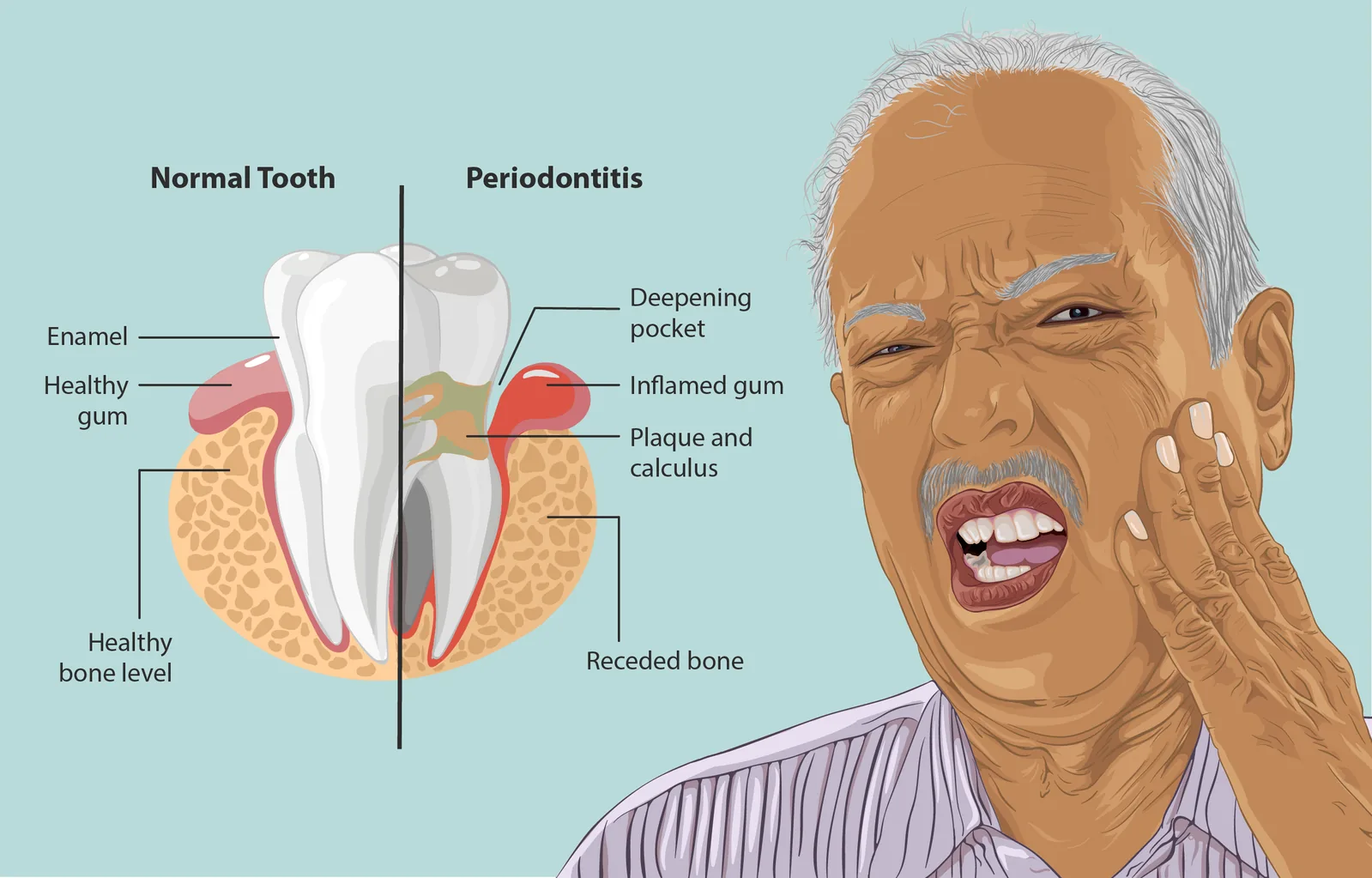
Image: https://www.myupchar.com/en · BY-SA 4.0 · Source
Diabetes doesn't automatically rule out dental implants, but blood sugar control genuinely matters. Here's exactly why and what to do about it.
Why Does Blood Sugar Control Matter for Implants?
Successful implant treatment depends on your body's ability to heal properly and fuse the implant to the surrounding bone through osseointegration. Poorly controlled blood sugar impairs wound healing throughout the body, including in the mouth, and also increases susceptibility to infection, both of which directly affect whether an implant successfully integrates.
Well-Controlled vs. Poorly Controlled Diabetes
This distinction matters more than the diagnosis itself. Someone with diabetes that's well managed through medication, diet, and monitoring, with blood sugar levels consistently within a healthy target range, generally has significantly better implant outcomes than someone with the same diagnosis but poorly controlled blood sugar.
What Do Dentists Actually Check?
Your dentist or oral surgeon may ask about your recent blood sugar control, sometimes requesting information like your most recent A1C level, a blood test that reflects average blood sugar control over the preceding few months, since this gives a more complete picture than a single blood sugar reading on any given day.
Can Poorly Controlled Diabetes Be a Reason to Delay Treatment?
Yes, in some cases, your dentist and physician may recommend working together to improve blood sugar control before proceeding with implant surgery, since better control before treatment genuinely improves the odds of successful healing and integration.
Does Diabetes Increase the Risk of Implant Failure?
Research has found that poorly controlled diabetes is associated with a higher risk of implant complications and failure compared to non-diabetic patients or those with well-controlled diabetes. This is exactly why the distinction between controlled and uncontrolled matters so much in this specific context.
Does Diabetes Affect Healing Time?
Some patients with diabetes, particularly if blood sugar control is a challenge, may experience somewhat slower healing, which your dental team will factor into your specific treatment timeline and follow-up schedule.
Working With Your Medical Team
Coordinating between your dentist and your physician or endocrinologist is genuinely valuable if you have diabetes and are considering implants, since your physician can help optimize your blood sugar control specifically around the time of surgery, and your dentist can plan the treatment timeline accordingly.
Are There Additional Precautions for Diabetic Patients?
Your dental team may recommend closer follow-up monitoring during healing, extra attention to signs of infection, and clear communication about maintaining good blood sugar control throughout the treatment process, from initial healing through long-term implant maintenance.
Long-Term Implant Care for Diabetic Patients
Beyond the initial healing period, ongoing good blood sugar management and meticulous oral hygiene around the implant remain important for long-term success, since both infection risk and healing capacity remain relevant considerations for as long as you have the implant.
Type 1 vs. Type 2 Diabetes and Implants
The relevant factor for implant treatment is your level of blood sugar control, not specifically which type of diabetes you have. Both type 1 and type 2 diabetes can be well or poorly controlled, and it's this control, rather than the specific diagnosis type, that most directly affects implant outcomes.