Systemic Health Connections · 8 min read
Diabetes and Oral Health: A Two-Way Relationship Worth Understanding
- Written by
- 1PleasantonDentist Editorial Team, Editorial team
- Reviewed by
- Editorial team
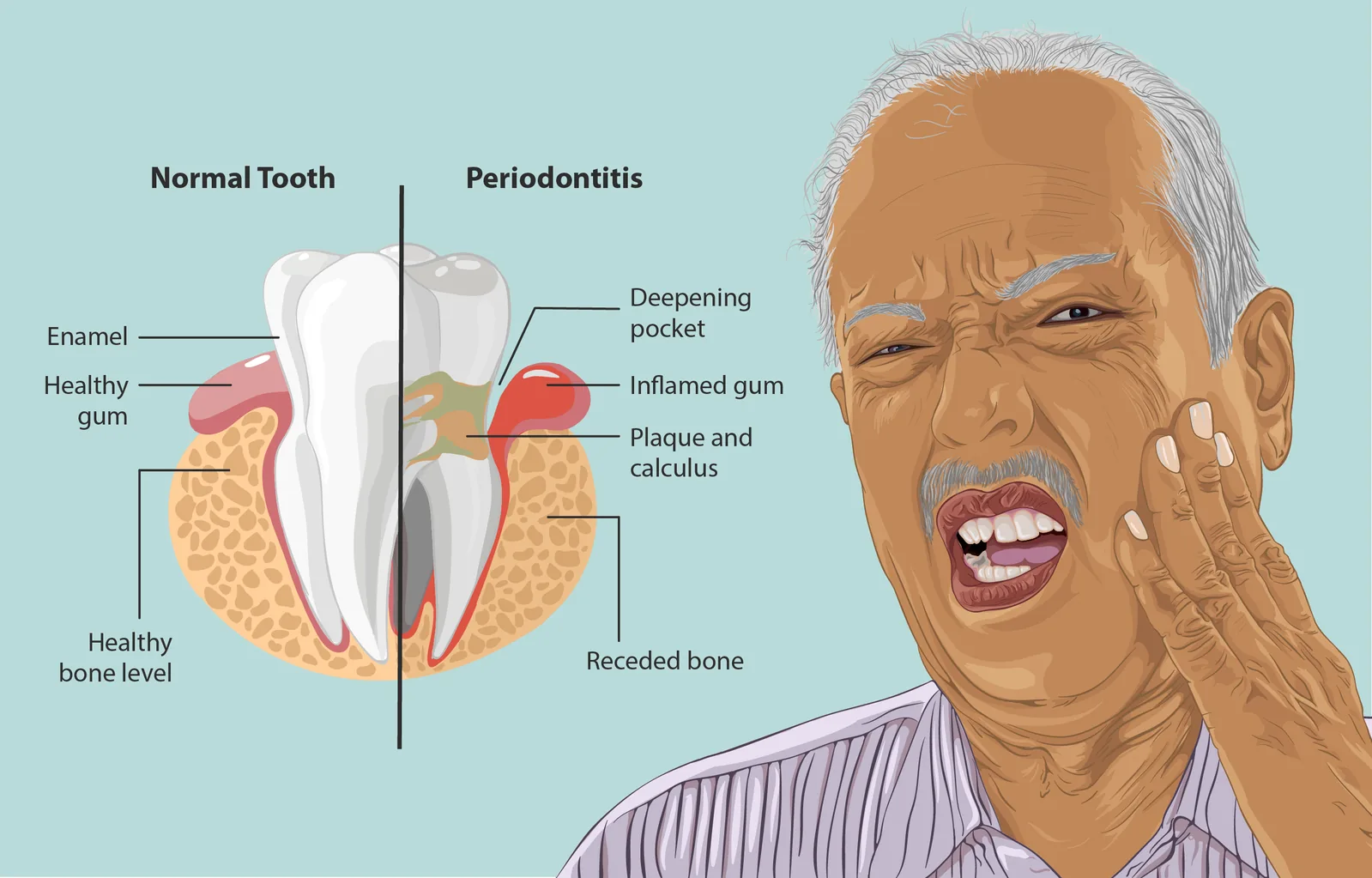
Image: https://www.myupchar.com/en · BY-SA 4.0 · Source
Diabetes affects your gums, and gum disease can affect your blood sugar in return. Here's the full, two-directional relationship explained clearly.
How Does Diabetes Affect Oral Health?
Diabetes, particularly when blood sugar isn't well controlled, is associated with a higher risk of gum disease, since elevated blood sugar can impair the body's ability to fight the bacterial infection at the root of gum disease and can also affect blood flow and healing capacity in the gum tissue.
Why Are People With Diabetes More Prone to Gum Disease?
Uncontrolled diabetes affects the body's immune response and healing capacity broadly, and the gum tissue is genuinely susceptible to these same effects, making infections like gum disease both more likely to develop and potentially more severe or harder to resolve compared to someone without diabetes.
Does Gum Disease Affect Blood Sugar Control?
Yes, this is the less commonly known, reverse direction of the relationship — the chronic inflammation associated with gum disease can make it more difficult to control blood sugar levels, meaning treating gum disease can actually be a meaningful part of overall diabetes management, not just an oral health consideration in isolation.
Are There Other Oral Health Effects Specifically Associated With Diabetes?
Dry mouth is more common in people with diabetes, related to both the condition itself and some diabetes medications, and dry mouth in turn increases cavity risk since saliva plays an important protective role. Slower healing after dental procedures, and in some cases, a higher susceptibility to oral infections generally, are also associated with diabetes, particularly when blood sugar is poorly controlled.
Does Well-Controlled Diabetes Reduce These Risks?
Yes, significantly — the level of blood sugar control matters more than the diabetes diagnosis itself for most of these oral health considerations, meaning someone with well-managed diabetes faces meaningfully lower oral health risks than someone with the same diagnosis but poor blood sugar control.
How Often Should People With Diabetes See a Dentist?
Many dental professionals recommend more frequent checkups for people with diabetes, sometimes every three to four months rather than the standard twice-yearly schedule, allowing closer monitoring given the elevated gum disease risk, though your specific dentist will tailor this recommendation to your individual situation.
Should You Tell Your Dentist About Your Diabetes Even If It's Well Controlled?
Yes, always disclose your diabetes diagnosis and general level of control to your dentist, since this information is relevant to how they plan and monitor your care, regardless of how well-managed your condition currently is.
Does Diabetes Affect Candidacy for Procedures Like Implants?
Well-controlled diabetes generally doesn't disqualify someone from dental implants or other significant procedures, though poorly controlled diabetes is a recognized risk factor for complications, which is why your dental team will likely want to understand your specific blood sugar control before proceeding with more involved treatment.
Can Good Oral Hygiene Help Manage Diabetes?
Indirectly, yes — since gum disease can make blood sugar control more difficult, maintaining good oral hygiene and treating any existing gum disease can be a genuinely relevant, supportive part of your overall diabetes management plan, alongside your primary diabetes care.
What Symptoms Should People With Diabetes Watch for in Their Mouth?
Bleeding or swollen gums, persistent bad breath, dry mouth, slow healing after any dental procedure or minor injury, and any unusual, persistent mouth sores are all worth mentioning to your dentist, given the elevated relevance of these symptoms for people managing diabetes.