Systemic Health Connections · 8 min read
Prescription Opioids and Dental Health: The Dry Mouth Connection
- Written by
- 1PleasantonDentist Editorial Team, Editorial team
- Reviewed by
- Editorial team
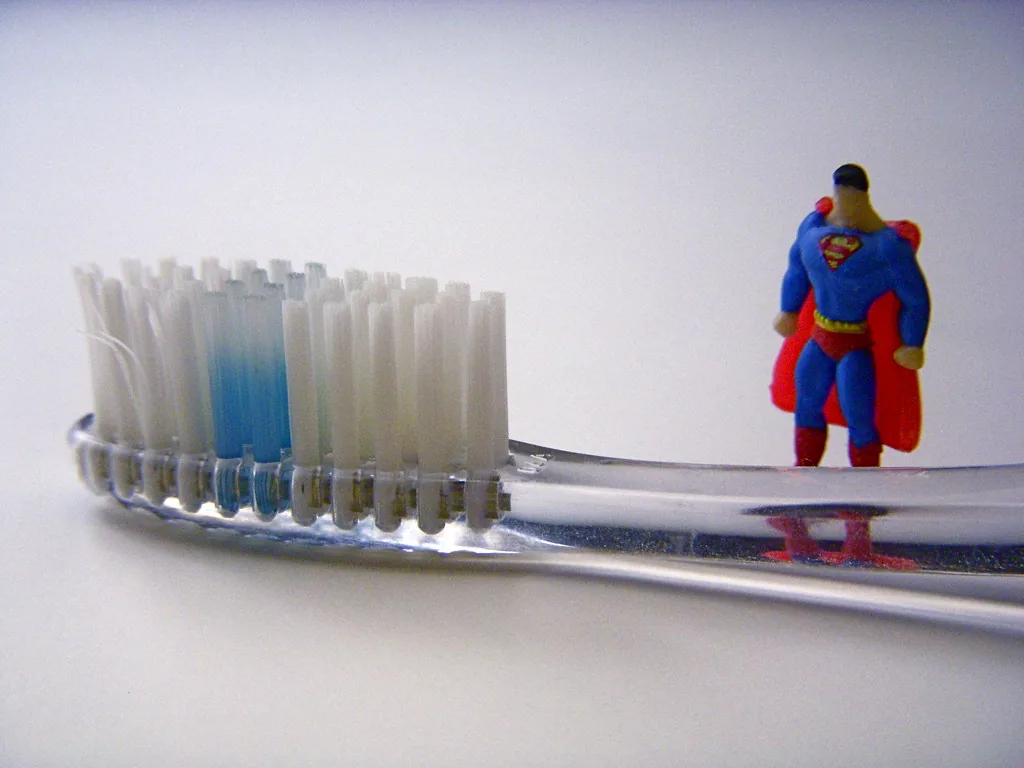
Image: JD Hancock · BY 2.0 · Source
Prescribed opioid pain medications carry a well-documented dry mouth side effect that genuinely elevates cavity risk during recovery periods.
Why Do Opioid Medications Cause Dry Mouth?
Opioid medications affect the body's nervous system in ways that commonly reduce saliva production, making dry mouth one of the most consistently documented side effects across this medication category.
Is This Relevant Even for Short-Term Opioid Use, Like After a Dental Procedure?
Yes, even relatively short courses of opioid pain medication, such as those sometimes prescribed after a significant extraction or oral surgery, can cause noticeable dry mouth during that specific period, which is worth being aware of during your recovery.
Why Does Dry Mouth Matter Specifically During a Dental Recovery Period?
This is a bit of an unfortunate overlap — dry mouth elevates cavity risk generally, and if you're also managing a modified diet or altered oral hygiene routine during recovery from a dental procedure, this combination is worth being mindful of, making continued attention to hydration and gentle oral care during this period genuinely relevant.
Can Long-Term Opioid Use for Chronic Pain Have More Significant Dental Effects?
Yes, for patients using these medications over an extended period for chronic pain management, the ongoing dry mouth effect represents a more sustained elevated cavity risk, making proactive dental monitoring and prevention strategies particularly relevant for this population.
Should You Tell Your Dentist If You're Taking Prescribed Opioid Pain Medication?
Yes, always disclose your complete, current medication list, including any prescribed pain medication, allowing your dentist to understand your complete health picture and provide appropriately tailored guidance regarding dry mouth management and cavity prevention.
What Can Help Manage Dry Mouth While Taking Opioid Pain Medication?
Staying well hydrated, using sugar-free gum or lozenges to help stimulate saliva if appropriate for your specific recovery situation, and maintaining gentle but consistent oral hygiene even during a recovery period are practical, relevant strategies.
Does This Mean You Should Avoid Necessary Pain Medication After a Dental Procedure?
No, appropriately managing post-procedure pain, following your provider's specific guidance, remains important for your comfort and recovery, and this dry mouth consideration is simply worth being aware of and managing proactively rather than being a reason to avoid appropriately prescribed pain management.
Should Long-Term Chronic Pain Patients on Opioids Have More Frequent Dental Checkups?
This is a reasonable consideration to discuss with your dentist, given the elevated, sustained cavity risk relevant to this population, similar to how other medications causing chronic dry mouth warrant this kind of proactive monitoring conversation.
Does This Topic Relate to Broader Concerns About Opioid Medication Beyond Dental Health?
This specific article focuses narrowly on the documented dry mouth and related dental health connection relevant to appropriately prescribed opioid pain medication use, which is a distinct, separate topic from broader considerations regarding opioid medication generally, which are best discussed with your prescribing physician.