
Systemic Health Connections · 8 min read
Parkinson's Disease and Oral Health: Managing Tremor, Dry Mouth, and Swallowing
- Written by
- 1PleasantonDentist Editorial Team, Editorial team
- Reviewed by
- Editorial team
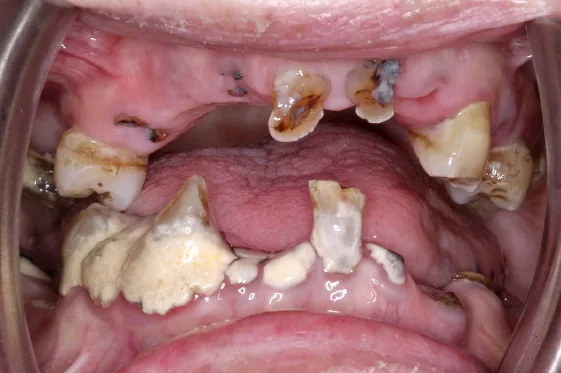
Image: Warren Schneider · BY-SA 4.0 · Source
This condition genuinely complicates several distinct aspects of oral care, from hygiene technique to medication side effects to swallowing safety.
How Does Tremor Affect Daily Oral Hygiene for Someone With Parkinson's?
Hand tremor, a hallmark symptom of Parkinson's disease, can make effectively gripping and controlling a toothbrush or floss genuinely challenging, potentially compromising the thoroughness of home oral hygiene despite good intentions and effort.
What Adapted Tools Can Help With This Specific Challenge?
An electric toothbrush, which requires less fine motor control than manual brushing, a toothbrush with a larger, weighted, or easier-to-grip handle, and a water flosser reducing the manual dexterity demands of traditional flossing are all practical accommodations worth discussing with your dentist.
Does Parkinson's Medication Cause Dry Mouth?
Some Parkinson's medications are associated with dry mouth as a documented side effect, contributing to elevated cavity risk through the mechanisms discussed regarding dry mouth generally, making this a relevant consideration alongside the medication's primary therapeutic benefit.
Can Parkinson's Disease Itself, Separate From Medication, Cause Excess Drooling?
Yes, interestingly, this is a somewhat separate, sometimes seemingly contradictory consideration — some Parkinson's patients experience increased drooling, related to reduced automatic swallowing frequency rather than excess saliva production itself, representing a genuinely different mechanism from the dry mouth medication side effect discussed above.
How Does Parkinson's Disease Affect Swallowing, and Why Does This Matter for Dental Care?
Parkinson's can affect the coordination and timing of swallowing, which is relevant to dental care both regarding safe management during dental procedures, particularly with water or other materials in the mouth, and regarding general safety awareness during eating that your broader care team should be aware of.
Should Dental Appointments Be Scheduled Around Parkinson's Medication Timing?
Yes, this is a genuinely practical, relevant consideration — since Parkinson's medication effectiveness can fluctuate throughout the day, scheduling dental appointments during a period when medication is providing good symptom control can support a more comfortable, manageable appointment experience.
Can Reduced Facial Muscle Movement From Parkinson's Affect Dental Treatment?
Yes, some patients experience reduced facial muscle mobility, which can affect things like keeping the mouth open comfortably for an extended procedure, making this worth discussing with your dentist so they can plan appropriately, potentially including more frequent breaks during longer procedures.
Does Parkinson's Disease Increase Gum Disease Risk?
Given the combination of hygiene challenges from tremor and, for some patients, dry mouth from medication, elevated gum disease and cavity risk is a genuine, relevant consideration for this population, making proactive attention to these compounding factors important.
Should Caregivers Be Involved in Oral Hygiene for Someone With More Advanced Parkinson's?
Yes, as the condition progresses and independent hygiene becomes more challenging, caregiver assistance with daily oral care becomes an increasingly relevant, valuable part of maintaining oral health, and your dentist can provide specific technique guidance for caregivers.
Can Botox, Sometimes Used for Parkinson's Symptoms, Have Any Relevance to Dental Care?
If Botox is being used to manage specific Parkinson's-related symptoms, this is relevant information for your dental team to have as part of your complete treatment picture, similar to how any medication or treatment history is relevant disclosure.