Lifestyle and Diet · 8 min read
Oil Pulling: What This Ancient Practice Can and Can't Do
- Written by
- 1PleasantonDentist Editorial Team, Editorial team
- Reviewed by
- Editorial team
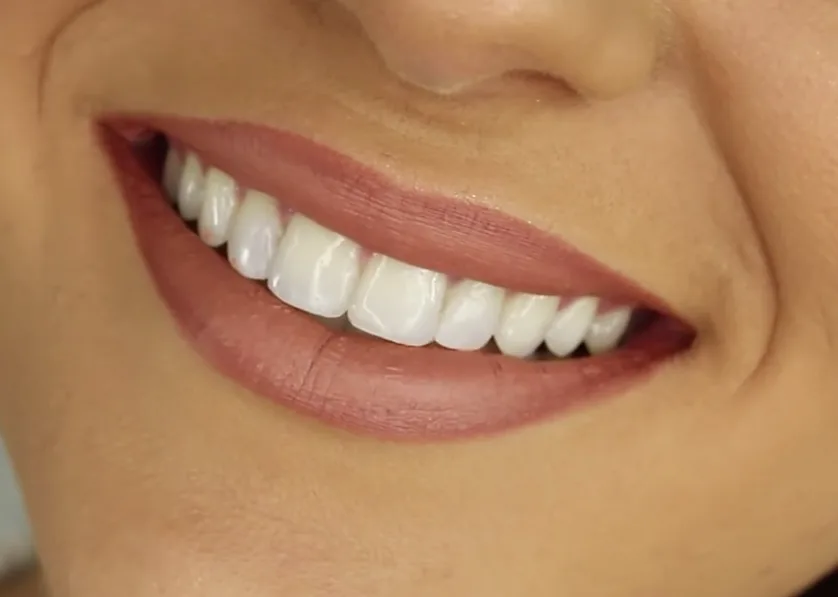
Image: Liz20151222 · BY-SA 4.0 · Source
Oil pulling has genuine historical roots but modern claims about it often go further than the actual research supports. Here's a balanced look.
What Is Oil Pulling?
Oil pulling involves swishing a tablespoon of oil, commonly coconut, sesame, or sunflower oil, around your mouth for an extended period, often cited as anywhere from five to twenty minutes, before spitting it out, with the practice rooted in traditional wellness approaches.
What Claims Are Made About Oil Pulling?
Proponents commonly claim benefits including reduced bad breath, whiter teeth, reduced plaque, improved gum health, and in some more expansive wellness claims, broader detoxification effects, though these claims vary considerably in how well they're actually supported by current dental research.
What Does Actual Research Say About Oil Pulling?
Some smaller studies have found modest potential benefits for reducing certain bacteria associated with plaque and possibly some benefit for bad breath, though the overall research base remains considerably smaller and less robust compared to well-established practices like brushing, flossing, and standard mouthwash use.
Is Oil Pulling as Effective as Standard Oral Hygiene?
No, current evidence doesn't support oil pulling as a genuine replacement for brushing and flossing, and dental professionals generally view it, if used at all, as a possible minor supplementary practice rather than a substitute for established, well-researched oral hygiene fundamentals.
Can Oil Pulling Whiten Teeth?
Claims about significant whitening from oil pulling aren't well supported by strong research evidence, and any perceived brightening some users report is more likely related to removal of some surface debris through the swishing action itself rather than any actual chemical whitening effect comparable to peroxide-based whitening products.
Is Oil Pulling Safe to Try?
For most healthy individuals, occasional oil pulling is generally considered low-risk, though it shouldn't replace standard oral hygiene practices, and swallowing the oil after pulling, since it accumulates bacteria and debris during the process, isn't recommended.
How Long Should You Actually Swish for Oil Pulling to Have Any Potential Benefit?
Various traditional and modern sources suggest anywhere from five to twenty minutes, though there's no strongly established, research-backed optimal duration, meaning specific time recommendations circulating for this practice are more traditional guidance than firmly evidence-based.
Does the Type of Oil Used Matter?
Different oils, including coconut, sesame, and sunflower, have all been used and studied to varying, generally limited degrees, without strong research establishing one as definitively superior to the others for any specific dental benefit.
Should Oil Pulling Replace Mouthwash?
No, standard antibacterial or fluoride mouthwash has a considerably stronger evidence base supporting specific, documented benefits, making it a better-established choice if you're looking for an additional oral hygiene step beyond brushing and flossing.
Can Oil Pulling Cause Any Problems?
Some people report jaw discomfort from extended swishing duration, and there's a minor risk of accidentally aspirating (inhaling) some oil if not done carefully, though significant problems from occasional, careful practice are uncommon for most healthy individuals.
Should You Discuss Oil Pulling With Your Dentist Before Trying It?
This is a reasonable step, particularly if you're considering it as part of addressing a specific oral health concern, since your dentist can offer perspective on whether it's a reasonable supplementary practice for your situation or whether your specific concern would be better addressed through established treatment.