Dental Problems and Symptoms · 8 min read
Broken Jaw: Signs, Emergency Steps, and What Treatment Involves
- Written by
- 1PleasantonDentist Editorial Team, Editorial team
- Reviewed by
- Editorial team
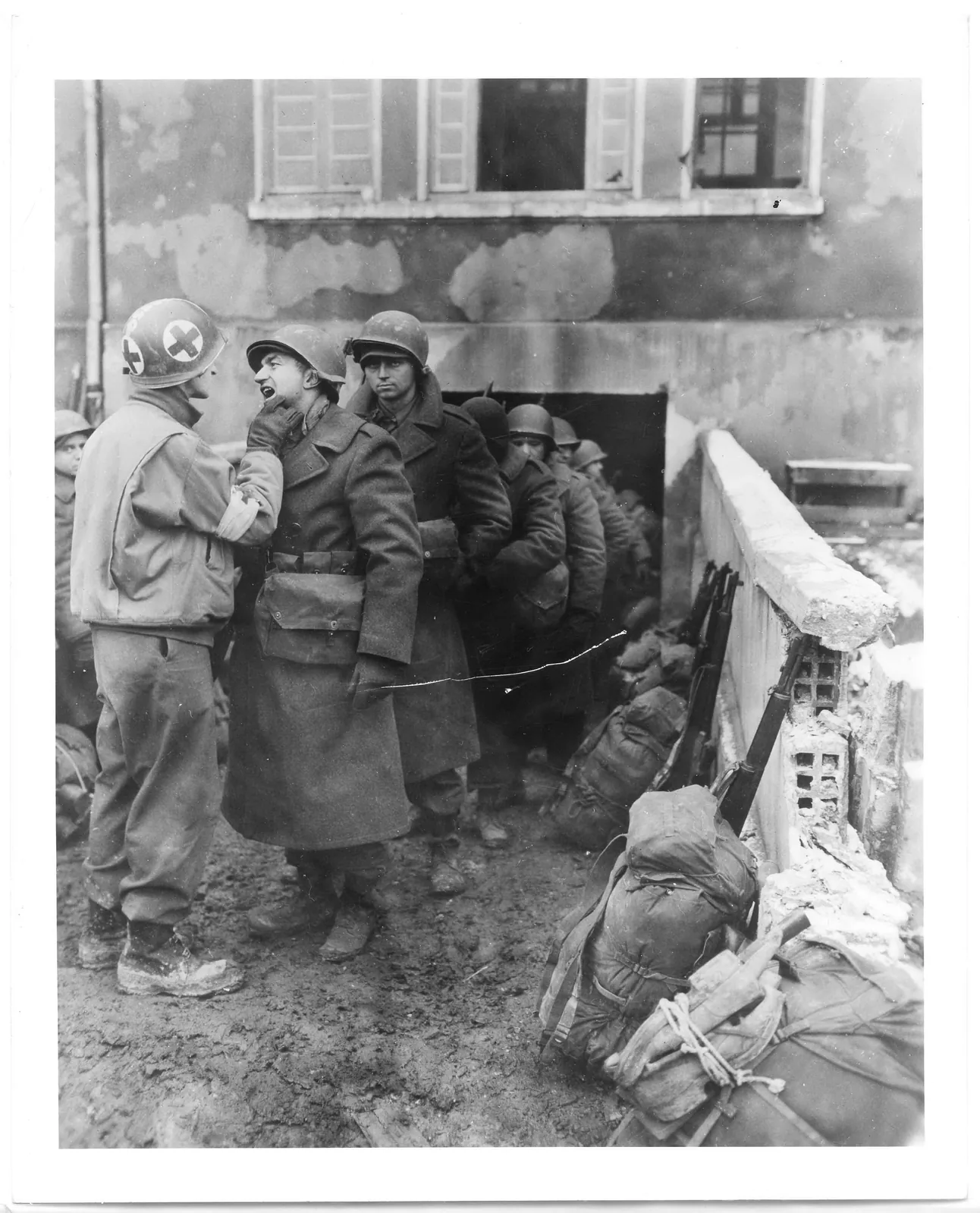
Image: National Museum of Health and Medicine · BY 2.0 · Source
A jaw fracture is a genuine medical emergency, not a dental one. Here's how to recognize it and what happens between the injury and full recovery.
What Causes a Broken Jaw?
Significant trauma, including falls, sports injuries, physical altercations, and vehicle accidents, are among the most common causes of jaw fractures, given the force typically required to fracture this relatively strong bone.
What Are the Signs of a Broken Jaw?
Significant pain, especially with jaw movement, swelling and bruising, difficulty opening or closing the mouth fully, a visibly misaligned bite that feels different than usual, numbness in the lip or chin, loose or displaced teeth, and in some cases, visible deformity of the jaw are all signs suggesting a possible fracture.
Is a Broken Jaw Always Obviously Deformed?
No, some fractures, particularly hairline or less displaced breaks, may not be immediately visually obvious, which is part of why any significant jaw trauma with concerning symptoms warrants proper medical evaluation, including imaging, rather than assuming the absence of visible deformity means there's no fracture.
What Should You Do Immediately After Suspected Jaw Trauma?
Seek emergency medical care promptly, since this is treated as a genuine medical emergency. While awaiting care, avoid moving the jaw more than necessary, support it gently if needed, and if there's significant bleeding, apply gentle pressure with a clean cloth while getting to emergency care.
Where Should You Go for a Suspected Broken Jaw?
An emergency room is generally the appropriate first stop for suspected jaw fracture, given the need for imaging and the involvement of emergency medicine, with oral and maxillofacial surgery often involved in the subsequent evaluation and treatment.
How Is a Broken Jaw Diagnosed?
Imaging, typically a CT scan or X-ray, is used to confirm a fracture, assess its exact location and severity, and guide the treatment planning that follows.
How Is a Broken Jaw Treated?
Treatment depends on the specific fracture's location and severity, ranging from having the jaw wired or banded shut to keep it immobilized while healing, to surgical repair using plates and screws for more significant or displaced fractures, with the specific approach determined by the oral and maxillofacial surgical team based on your particular injury.
How Long Does Jaw Fracture Recovery Take?
Initial healing generally takes several weeks, often with the jaw immobilized for a significant portion of this time, with full recovery and return to normal function sometimes extending longer, depending on the fracture's severity and the specific treatment approach used.
What Does Eating Look Like During Recovery?
If the jaw is immobilized, a liquid diet is generally required initially, since normal chewing isn't possible during this period, gradually progressing to soft foods and eventually normal textures as healing advances and any immobilization is removed, following your surgical team's specific guidance.
Can a Broken Jaw Affect Your Teeth or Bite Long-Term?
Yes, depending on the fracture's location and how well it heals, there can be effects on tooth alignment or bite function, which is part of why careful surgical repair and, sometimes, coordination with a dentist or orthodontist for any needed follow-up dental correction is part of comprehensive care for this type of injury.
Are There Long-Term Considerations After Jaw Fracture Healing?
Some patients experience ongoing jaw joint (TMJ) issues following a significant jaw fracture, related to the trauma and healing process affecting the joint, making follow-up care and monitoring for this possibility a reasonable part of longer-term recovery.