Dental Problems and Symptoms · 8 min read
Chipped Baby Tooth: Why It Still Needs Attention Even Though It's Temporary
- Written by
- 1PleasantonDentist Editorial Team, Editorial team
- Reviewed by
- Editorial team
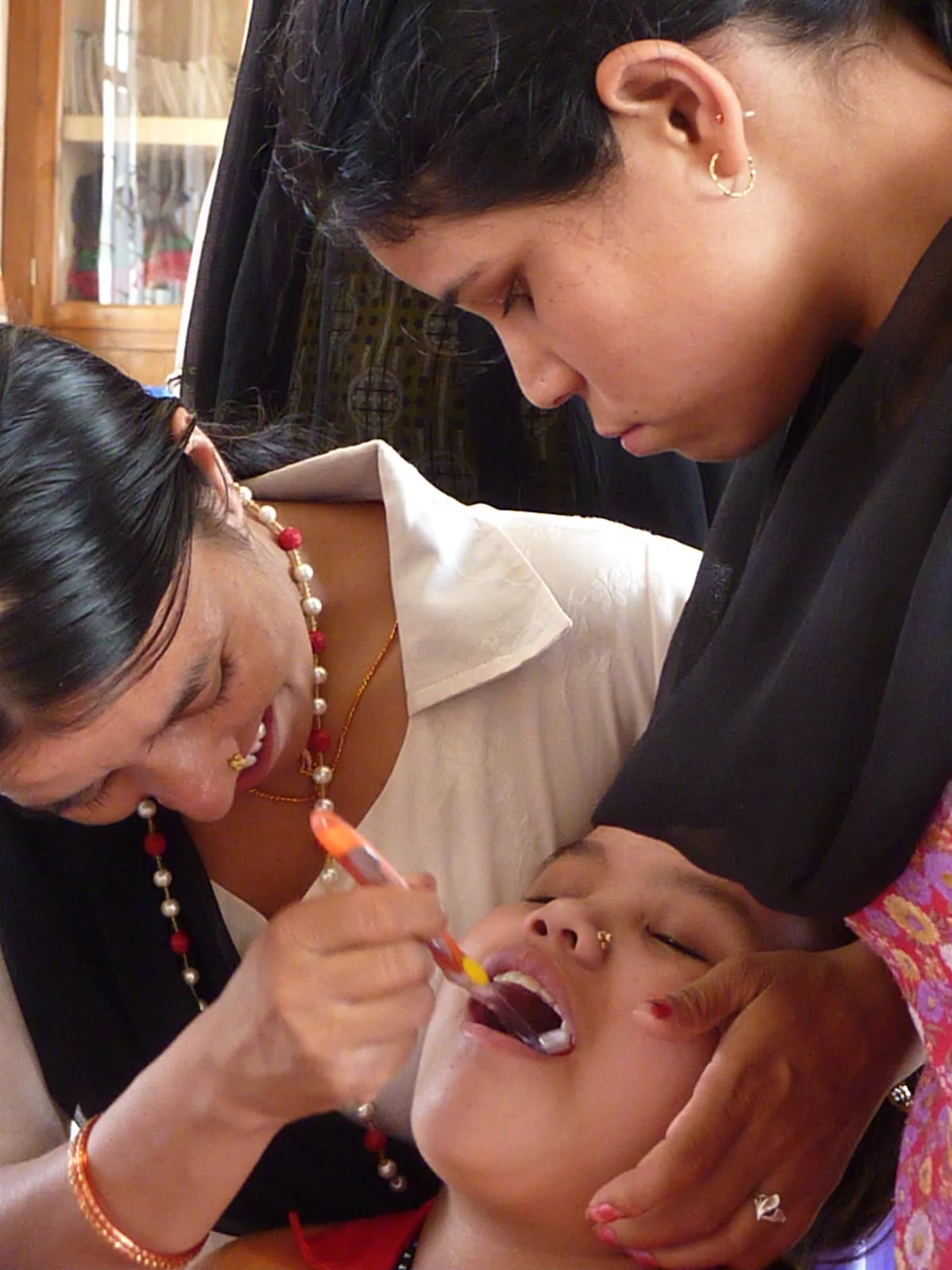
Image: Latrobebohs · BY-SA 3.0 · Source
A chipped baby tooth isn't something to just wait out until it falls out naturally. Here's why evaluation matters and what treatment actually involves.
Why Does a Chipped Baby Tooth Matter If It's Temporary?
Baby teeth serve important functions well before they naturally fall out, including maintaining proper spacing for permanent teeth, supporting normal chewing and speech development, and a chip can expose sensitive inner tooth structure or create a sharp edge that causes additional injury or discomfort in the meantime.
What Should You Do Immediately After a Baby Tooth Chips?
Check for any bleeding and control it with clean gauze if needed, rinse your child's mouth gently with water, look for any tooth fragment that may have come loose, and contact your pediatric dentist to have the injury properly evaluated.
How Serious Can a Chip Be?
This ranges considerably, from a very minor chip affecting only the outer enamel with no real functional concern, to a more significant fracture reaching the inner pulp, which would require more active treatment, similar to how tooth fractures are evaluated in permanent teeth.
How Is a Chipped Baby Tooth Evaluated?
Your pediatric dentist will examine the extent of the chip, checking whether it's affected just the surface or extends deeper, and may take an X-ray, particularly if the injury seems more significant or if there's any concern about the developing permanent tooth underneath.
What Treatment Options Exist for a Chipped Baby Tooth?
For minor chips, simply smoothing any sharp edge may be sufficient. For more moderate chips, bonding can restore the tooth's shape and protect the exposed area. For more significant fractures reaching the pulp, a pulpotomy or, in more severe cases, extraction may be necessary, depending on the extent of damage.
Can a Chipped Baby Tooth Affect the Permanent Tooth Developing Underneath?
Significant trauma to a baby tooth can, in some cases, affect the developing permanent tooth nearby, which is part of why proper evaluation matters even for an injury to a tooth that will eventually be replaced anyway.
Is Bonding Safe and Effective for Baby Teeth?
Yes, bonding is commonly and safely used to restore the shape of a chipped baby tooth, similar in concept to how it's used for permanent teeth, providing both a functional and cosmetic improvement while protecting the affected area until the tooth naturally falls out.
What If the Chip Doesn't Seem to Bother My Child at All?
Even without apparent discomfort, it's still worth having a pediatric dentist evaluate the injury, since a sharp edge could cause unnoticed irritation to the tongue or cheek, and there could be deeper damage not obvious just from looking at the tooth.
Can a Chipped Baby Tooth Become Infected If Left Untreated?
Yes, if the chip has exposed the inner pulp tissue, bacteria can potentially reach this area and cause infection over time, making prompt evaluation and appropriate treatment important for preventing this type of complication.
How Can You Prevent Chipped Baby Teeth?
Reasonable childproofing to reduce fall risk during the toddler years, appropriate supervision during active play, and mouthguards for older children participating in sports with fall or collision risk can all help reduce the likelihood of this type of injury.