Dental Problems and Symptoms · 8 min read
Receding Gums: Why It Happens and What Can Actually Be Done
- Written by
- 1PleasantonDentist Editorial Team, Editorial team
- Reviewed by
- Editorial team
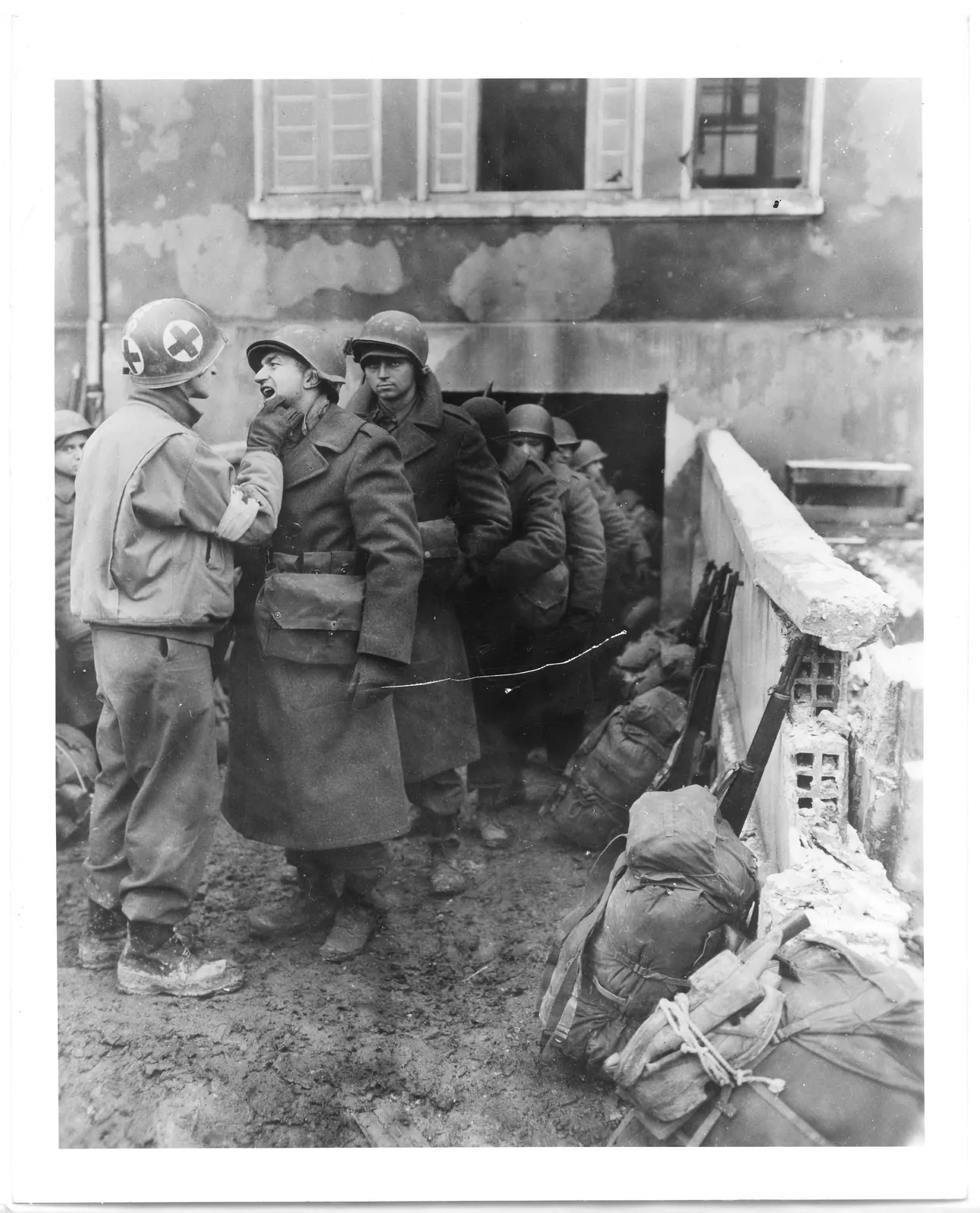
Image: National Museum of Health and Medicine · BY 2.0 · Source
Once gum tissue recedes, it doesn't grow back on its own. Here's what causes it, whether it can be stopped, and the treatments that actually help.
What Is Gum Recession?
Gum recession occurs when the gum tissue surrounding a tooth pulls back or wears away, exposing more of the tooth's root surface than is typical, which isn't covered by the same protective enamel as the rest of the visible tooth.
What Causes Gum Recession?
Gum disease is one of the most significant causes, since the underlying bacterial infection can damage the gum tissue and supporting bone over time. Aggressive brushing technique, using too much pressure or a hard-bristled brush, can also wear away gum tissue gradually over years. Genetics play a role as well — some people are simply more prone to thin gum tissue that recedes more easily. Teeth grinding, tobacco use, and hormonal changes are additional contributing factors documented in various individuals.
Why Doesn't Gum Tissue Grow Back on Its Own?
Once gum tissue has receded, the body doesn't naturally regenerate it back to its original position the way some other tissues can heal and regrow. This is why addressing the underlying cause matters for stopping further recession, even though existing recession generally requires specific treatment to correct, if correction is pursued at all.
Symptoms of Gum Recession
A tooth appearing longer than it used to, increased sensitivity, particularly to cold, a visible notch or indentation near the gumline, and in more advanced cases, a looser feeling tooth due to reduced gum and bone support are common signs.
Is Gum Recession Always a Sign of Gum Disease?
Not always — while gum disease is a major cause, aggressive brushing and genetic predisposition can also cause recession without active gum disease being present, which is why a dentist's evaluation is useful for identifying the specific underlying cause in your case.
How Is Gum Recession Diagnosed?
A dentist or periodontist examines the gum tissue, measures the extent of recession at affected teeth, and evaluates for signs of active gum disease or other contributing factors like brushing technique or teeth grinding, helping determine the appropriate treatment approach.
Can Gum Recession Be Stopped From Getting Worse?
Yes, this is a realistic and important goal, generally through improved brushing technique, treating any underlying gum disease, addressing teeth grinding if relevant, and other measures targeting the specific cause identified in your case.
Treatment Options for Existing Recession
For milder recession, sometimes no direct treatment of the tissue itself is needed beyond addressing the underlying cause and managing any resulting sensitivity with desensitizing products. For more significant recession, particularly if it's affecting multiple teeth or causing functional or aesthetic concerns, a gum graft, a surgical procedure that adds tissue to cover the exposed root surface, may be recommended by a periodontist.
What Is a Gum Graft?
A gum graft involves taking tissue, often from another area of your mouth like the roof of the mouth, or sometimes using processed donor tissue, and surgically attaching it to cover the exposed root area, both improving appearance and providing additional protection to the vulnerable root surface.
How Painful Is Gum Recession Treatment?
The procedure is performed under local anesthesia, and while some soreness during recovery is expected, similar to other minor gum surgery, most patients describe it as manageable with appropriate pain relief during the healing period.
Preventing Further Recession
Using a soft-bristled toothbrush with gentle technique, treating any active gum disease promptly, addressing teeth grinding with a nightguard if applicable, and avoiding tobacco use all help reduce the risk of continued or new recession developing.