
Dental Problems and Symptoms · 8 min read
Teeth Grinding in Children: When It's Normal and When to Worry
- Written by
- 1PleasantonDentist Editorial Team, Editorial team
- Reviewed by
- Editorial team
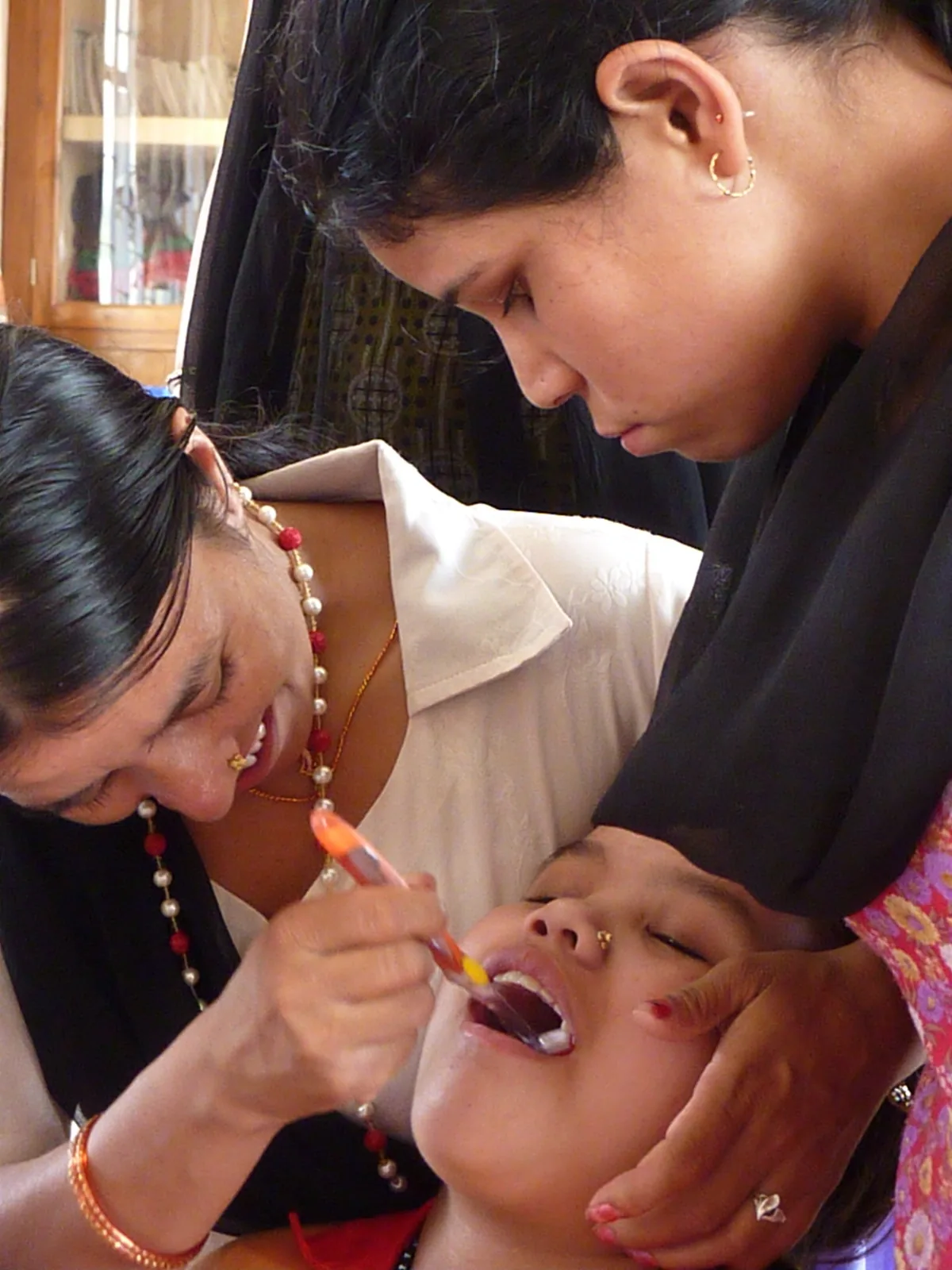
Image: Latrobebohs · BY-SA 3.0 · Source
Many kids grind their teeth, and most outgrow it without issue. Here's how to tell if your child's grinding needs attention from a dentist.
Why Do Children Grind Their Teeth?
The exact cause isn't always clear, but common contributors include the normal developmental process of teeth and jaw growth, particularly as baby teeth are lost and permanent teeth come in, general excitement or stress, even from ordinary childhood experiences, and in some cases, an emerging bite misalignment.
Is Teeth Grinding in Children Usually Serious?
Generally, no — most childhood teeth grinding, especially in younger children, is considered a normal part of development that resolves on its own as they grow, without needing specific treatment beyond monitoring.
At What Age Is Grinding Most Common?
This is frequently observed in children with baby teeth and during the transition period when permanent teeth are emerging, tapering off for most children as their jaw and bite fully mature.
Signs Your Child May Be Grinding Their Teeth
A grinding or clenching sound noticed by a parent during sleep, complaints of jaw soreness or headache upon waking, and visible wear on the biting surfaces of teeth noticed by your dentist during a checkup are all common signs.
When Should a Dentist Evaluate Childhood Grinding?
If grinding is causing visible, significant wear on the teeth, if your child complains of frequent jaw pain or headaches, or if grinding persists well beyond the developmental period when it's most commonly seen without any sign of improvement, it's worth having your pediatric dentist evaluate the situation.
Can Stress Cause Grinding in Children?
Yes, similar to adults, stress or anxiety, even related to ordinary childhood experiences like starting school or family changes, can contribute to increased grinding in some children, making addressing any identifiable source of stress a reasonable part of managing the behavior if it seems relevant.
Does Childhood Grinding Require a Nightguard?
This is less commonly used in very young children compared to adults, partly because their teeth and jaw are still actively developing and changing, though your pediatric dentist may recommend one in specific cases involving significant wear or discomfort.
What Happens If Grinding Continues Into the Teenage Years?
If grinding persists as a child gets older, particularly into adolescence, this is treated more similarly to adult bruxism, with a nightguard and further evaluation of contributing factors like stress or bite alignment becoming more relevant considerations.
Can Grinding Damage a Child's Baby Teeth?
Some visible wear on baby teeth from grinding is common and generally not a significant concern, since baby teeth will eventually be replaced by permanent teeth anyway, though your dentist monitors this to ensure it's not excessive or causing any other issues.
Should Parents Try to Stop Grinding Directly?
Since much of childhood grinding relates to normal development rather than something within a child's conscious control, direct intervention isn't usually necessary or effective for typical cases, with monitoring and addressing any identifiable stress or discomfort being a more practical general approach.