Dental Problems and Symptoms · 8 min read
Tooth Pain: What It Means and When It's Actually an Emergency
- Written by
- 1PleasantonDentist Editorial Team, Editorial team
- Reviewed by
- Editorial team
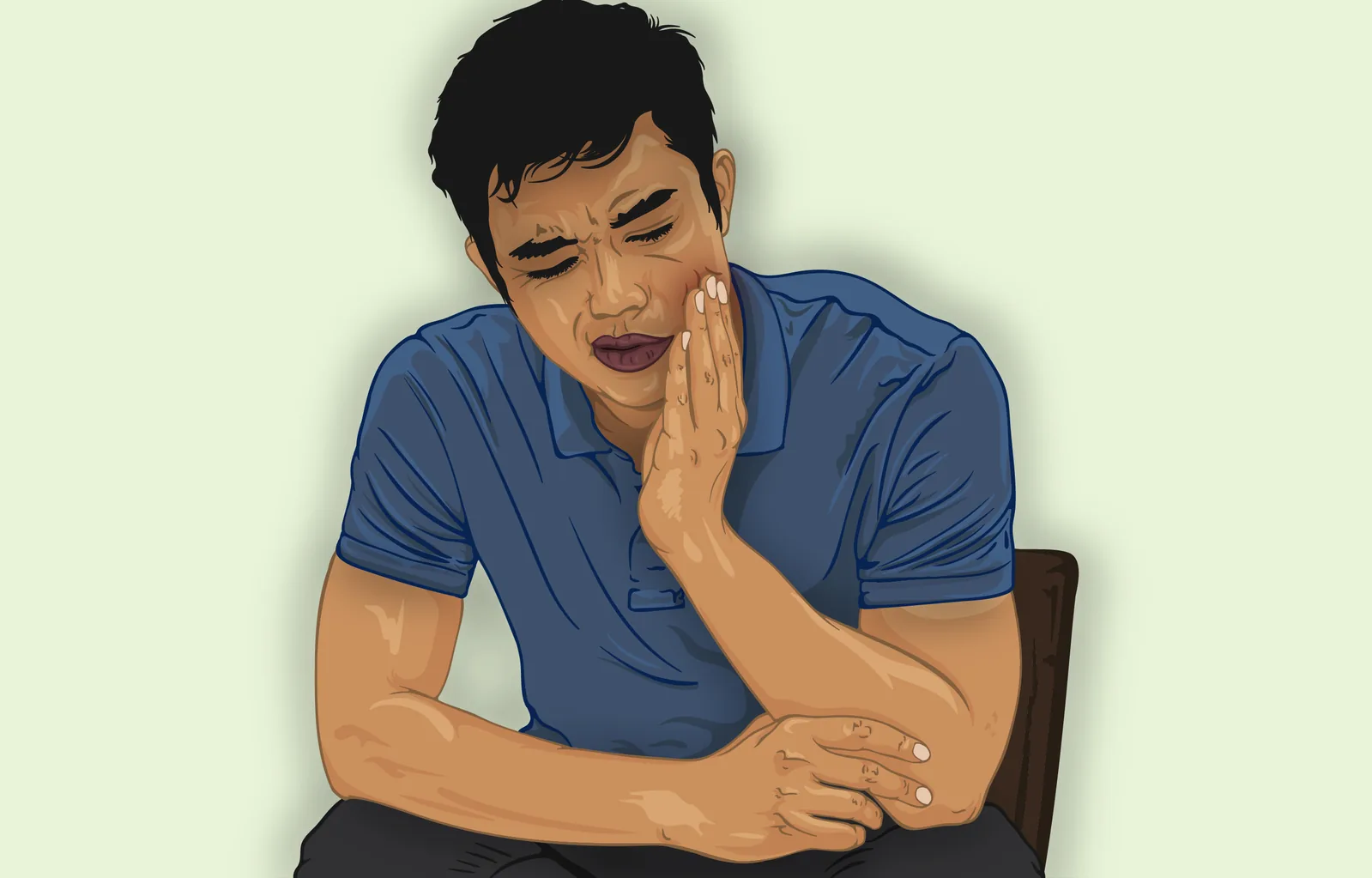
Image: https://www.myupchar.com/en · BY-SA 4.0 · Source
Sharp, throbbing, or dull tooth pain all mean different things. Here's how to tell what's going on and when you actually need urgent care.
What Is a Toothache?
A toothache is pain in or around a tooth, ranging from mild sensitivity to severe, throbbing pain, caused by a range of underlying issues affecting the tooth itself, the surrounding gum tissue, or occasionally referred pain from a nearby structure like the jaw or sinuses.
### Types of Toothaches
Sharp, sudden pain often points to a specific triggered cause, like biting down on something or a temperature change hitting an exposed nerve. Throbbing, constant pain more often suggests inflammation or infection deep within the tooth. Dull, lingering discomfort can indicate a range of causes from mild sensitivity to early decay. The character of the pain gives real clues, though only a dentist examining the tooth directly, often with an X-ray, can pinpoint the actual cause.
What Causes Tooth Pain?
Common causes include a cavity that's reached the sensitive inner layers of the tooth, a cracked tooth, an infection or abscess at the tooth's root, gum disease affecting the tissue around a tooth, a recently placed filling or crown still settling, and sinus pressure or infection, which can sometimes cause pain that feels like it's coming from the upper back teeth even though the teeth themselves are healthy.
How Long Does a Toothache Last?
This depends entirely on the cause. Mild sensitivity from a recent dental procedure typically resolves within days. Pain from an active infection or a significant cavity generally doesn't resolve on its own and tends to worsen over time without treatment, rather than gradually fading. Persistent tooth pain lasting more than a day or two, especially if it's worsening, is a signal to see a dentist rather than wait it out.
Tooth Pain in Special Situations
### Tooth Pain After a Filling, Crown, or Root Canal
Some sensitivity or mild soreness following these procedures is normal and generally resolves within a few days to about a week. Pain that's significantly worsening rather than improving, or that persists well beyond the expected recovery window, is worth reporting back to the dentist who performed the procedure.
### Tooth Pain During Pregnancy
Hormonal changes during pregnancy can increase susceptibility to gum inflammation and sensitivity, sometimes making existing dental issues feel more pronounced. Dental care during pregnancy is generally considered safe and important, and it's worth informing your dentist that you're pregnant so they can make any needed adjustments to your treatment plan, particularly around imaging and certain medications.
### Tooth Pain in Children
In children, tooth pain can stem from cavities, an emerging tooth, or trauma from a fall or accident. Since children aren't always able to clearly describe or locate their pain, changes in eating habits, irritability, or reluctance to chew on one side of the mouth can be indirect signs worth paying attention to alongside any direct complaints of pain.
Treatment for Tooth Pain
### Toothache Medicine
Over-the-counter pain relievers like ibuprofen or acetaminophen are commonly used to manage tooth pain temporarily while awaiting dental treatment, following standard dosing guidelines.
#### Caution With Benzocaine Products
Topical numbing gels containing benzocaine are available over the counter for temporary tooth pain relief, but health authorities have specifically cautioned against their use in young children due to a rare but serious risk of a blood condition called methemoglobinemia. It's worth checking product labeling carefully and considering discussing appropriate pain relief options for children with a pediatrician or dentist rather than assuming an adult product is safe to use.
### Dental Fillings
For pain caused by a cavity that hasn't reached the tooth's nerve, a filling addresses the underlying decay and typically resolves the associated pain.
### Dental Crowns
For a tooth with more extensive damage than a filling can adequately address, a crown restores the tooth's structure and can relieve pain associated with a cracked or significantly weakened tooth.
### Inlays or Onlays
For damage between the size a filling and a crown are meant to address, these custom restorations can relieve pain by properly restoring the tooth's shape and sealing off exposed areas contributing to sensitivity.
### Root Canal Therapy
When pain is caused by infection or severe inflammation reaching the tooth's inner pulp, root canal treatment removes the source of the pain directly and is often described by patients as providing significant, fairly immediate relief once the infected tissue is removed.
### Tooth Extraction
If a tooth is too damaged to save, removing it eliminates the source of the pain entirely, though this typically leads to a conversation about replacement options to prevent the complications of an unaddressed gap.
At-Home Toothache Relief
### Saltwater Rinse
Rinsing with warm salt water can help reduce inflammation and clean the area around a painful tooth temporarily while you arrange to see a dentist.
### Hydrogen Peroxide Rinse
A diluted hydrogen peroxide rinse is sometimes used as a temporary measure, particularly if there's some bleeding or visible debris around the painful area, though it's meant as a short-term measure rather than a treatment for the underlying cause.
### Ice Packs
Applying an ice pack to the outside of the cheek near the painful tooth can help reduce swelling and provide some numbing relief while you wait to be seen.
None of these home measures address the underlying cause of tooth pain — they're temporary comfort measures, not substitutes for identifying and treating whatever is actually causing the pain.
How to Prevent Toothaches
Regular brushing and flossing, routine dental checkups and cleanings that catch problems early, wearing a mouthguard if you play contact sports, and avoiding using your teeth as tools to open packages or bite extremely hard objects all reduce your overall risk of developing tooth pain from preventable causes like cavities and cracks.
When Tooth Pain Is a Dental Emergency
### When to See a Dentist
Persistent pain lasting more than a day or two, pain accompanied by visible swelling, a tooth that's become loose, or pain triggered consistently by biting or temperature changes all warrant a dental appointment, ideally sooner rather than waiting for your next routine visit.
### When to Go to the ER for a Toothache
Seek emergency medical care if tooth pain is accompanied by significant facial swelling that's spreading, difficulty breathing or swallowing, a high fever, or other signs that an infection may be spreading beyond the local area, since these can indicate a more serious situation requiring immediate attention beyond what a dental office visit alone would address.
Frequently Asked Questions About Tooth Pain
Can a toothache go away on its own? Sometimes mild, temporary sensitivity resolves without treatment, but pain caused by an underlying issue like a cavity, infection, or crack generally doesn't resolve on its own and tends to worsen over time if the underlying cause isn't addressed.
How can you tell what kind of toothache you have? The pattern and triggers of the pain offer clues — sharp pain with temperature, throbbing pain that's constant, or pain specifically when biting down all suggest different possible causes — but a dentist's examination, often including an X-ray, is the only reliable way to identify the actual underlying issue.
Why does my tooth hurt more at night? Lying down can increase blood flow to the head, which some people find intensifies tooth pain related to inflammation or infection. Fewer daytime distractions at night can also simply make existing pain more noticeable than it seemed during a busier day.
Is it normal for a tooth to hurt after a routine cleaning? Some mild, temporary sensitivity after a cleaning, particularly for people with some gum recession or existing sensitivity, is common and generally resolves within a day or two. Significant or persistent pain after a routine cleaning is less typical and worth mentioning to your dental office.
Can sinus problems cause tooth pain? Yes, the roots of the upper back teeth sit close to the sinus cavities, and sinus pressure or infection can sometimes cause pain that feels like it's coming from these teeth even when the teeth themselves are healthy. If dental causes have been ruled out and the pain pattern seems to align with sinus symptoms, this is worth discussing with your doctor as well as your dentist.