Orthodontics · 8 min read
Braces for Adults: What's Actually Different at This Age
- Written by
- 1PleasantonDentist Editorial Team, Editorial team
- Reviewed by
- Editorial team
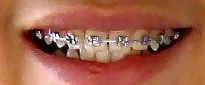
Image: ZSpeed · BY-SA 3.0 · Source
More adults wear braces than you'd think. Here's what genuinely differs about adult orthodontic treatment compared to treating a teenager.
Does Age Actually Affect How Braces Work?
The fundamental biological process — teeth moving through bone in response to steady pressure — doesn't stop working as people age. What can differ is the pace, sometimes slightly slower in adults, and the presence of complicating factors like existing dental work or gum health issues that are more common later in life.
Common Reasons Adults Seek Braces
Many adults pursue orthodontic treatment for cosmetic reasons they didn't prioritize earlier in life, to correct relapse after not wearing a retainer consistently following childhood treatment, or to address a bite issue that's begun causing discomfort or uneven wear as they've gotten older.
How Existing Dental Work Factors In
Adults are more likely than teenagers to have crowns, bridges, fillings, or missing teeth that need to be factored into orthodontic planning. This doesn't rule out treatment, but it does mean closer coordination between your orthodontist and general dentist to plan around existing restorations properly.
Gum Health Considerations for Adult Patients
Since gum disease becomes more common with age, an orthodontist may want to confirm your gum health is stable before starting treatment, or coordinate with a periodontist if you have an active gum disease history, since moving teeth through compromised bone and gum tissue requires additional caution.
Treatment Time Comparison
Treatment length depends more on the complexity of your specific case than a fixed rule about adult versus teen treatment times, though some adult cases do take somewhat longer, partly related to slightly slower bone remodeling and partly related to more complex starting conditions in some adult cases.
Options Beyond Traditional Metal Braces
Many adults specifically choose ceramic braces, which use tooth-colored brackets, or lingual braces, placed behind the teeth and essentially invisible from the front, or Invisalign, all of which address the visibility concerns that are often a bigger priority for adults in professional or social settings compared to younger patients.
Does Age Affect Bite Correction Involving the Jaw?
For adults with significant jaw-related bite discrepancies rather than just tooth position issues, jaw growth has already completed, meaning braces alone can't reposition the jawbone itself the way early intervention sometimes can in growing children. In these cases, jaw surgery combined with orthodontics may be recommended, similar to how this is handled for adults generally regardless of when the underlying issue developed.
Common Concerns Adults Have About Braces
Appearance and professional image concerns are frequently top of mind, which is part of why less visible options like ceramic braces, lingual braces, or Invisalign are popular among adult patients specifically. Comfort and time commitment for appointments around work schedules are also commonly raised concerns that orthodontic offices are generally well equipped to accommodate.
Is It Ever "Too Late" for Braces as an Adult?
Practically speaking, no — healthy teeth and bone can generally be moved orthodontically well into older age, assuming your gum and bone health support it. The main factors that matter are your specific oral health condition, not a fixed age cutoff.
Cost Considerations for Adult Orthodontics
Cost is generally similar for comparable cases regardless of patient age, though adult cases involving additional coordination with existing dental work or gum health treatment may involve additional related costs beyond the orthodontic treatment itself.