Orthodontics · 8 min read
Braces: How They Work, What They Cost, and What to Really Expect
- Written by
- 1PleasantonDentist Editorial Team, Editorial team
- Reviewed by
- Editorial team
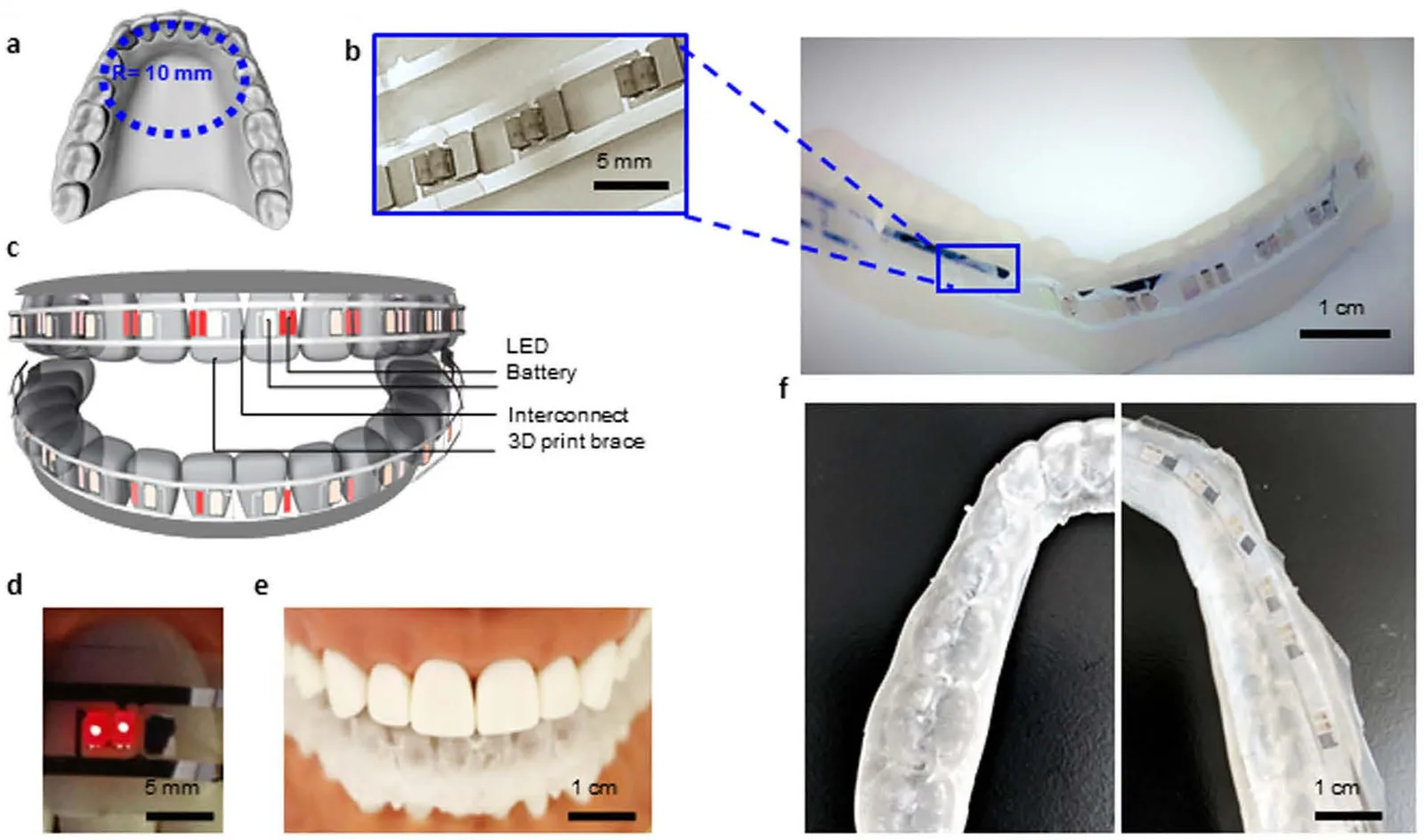
Image: Arwa T. Kutbee et al. · BY 4.0 · Source
Getting braces isn't just for kids anymore. Here's an honest guide to how braces work, what they feel like, and how long treatment actually takes.
What Are Braces? How Do Braces Work?
Each bracket is bonded directly to the front of a tooth, and a thin metal wire runs through all the brackets, held in place with small elastic or metal ties. That wire is shaped to reflect where your teeth are ultimately supposed to end up, not where they currently sit, and it applies gentle, continuous pressure that gradually shifts each tooth toward that final position. Your orthodontist adjusts the wire periodically throughout treatment — tightening it, replacing it with a different shape, or adding small elastics between the upper and lower teeth — to keep guiding your teeth and bite toward the planned result.
Types of Braces
Traditional metal braces are the most common and generally the most affordable option, using stainless steel brackets and wires. Ceramic braces work the same way but use tooth-colored or clear brackets, making them less visually noticeable, though they tend to cost more than metal and the elastic ties can sometimes stain if oral hygiene isn't kept up carefully. Lingual braces are placed on the back surface of the teeth, facing the tongue, making them essentially invisible from the front, though they can take some getting used to in terms of speech and tongue comfort, and not every orthodontic case is suited to this approach.
What Age Is Best for Braces?
There's no single "correct" age. Many orthodontic treatments for children begin somewhere around ages ten to fourteen, often once most permanent teeth have come in, since the jaw is still developing at this stage in a way that can make certain corrections more straightforward. That said, braces work well for adults too — the biological process of moving teeth through bone doesn't fundamentally stop working just because someone is older, though adult treatment sometimes takes a bit longer and may need to work around existing dental work like crowns or bridges. A meaningful and growing share of orthodontic patients today are adults, so there's genuinely no cutoff age where braces stop being a reasonable option.
The Braces Fitting Procedure
Getting braces put on is typically a single appointment, usually taking somewhere around one to two hours. Your teeth are cleaned and dried, a bonding material is applied to each tooth, and the brackets are attached one at a time. Once all the brackets are in place, the wire is threaded through and secured. The process itself isn't usually described as painful, though it can feel like a long appointment simply due to the number of steps involved.
How Long Do Braces Take to Work?
Treatment time varies enormously depending on how much correction is needed, ranging anywhere from several months for very minor adjustments to two years or more for complex crowding or bite issues. Most people fall somewhere in the range of one to two years, though your orthodontist can give you a more specific estimate once they've evaluated your teeth and bite and mapped out a treatment plan.
Benefits of Braces
Beyond the obvious cosmetic improvement of straighter teeth, properly aligned teeth are generally easier to clean effectively, since overlapping or crowded teeth create spots that are harder to reach with a toothbrush and floss, which can contribute to a higher risk of cavities and gum disease over time if left uncorrected. Correcting a misaligned bite can also reduce uneven wear on certain teeth and, in some cases, ease jaw discomfort associated with a poor bite. For a lot of people, the confidence boost of a straighter smile is a real, meaningful benefit in its own right, separate from any functional advantage.
Do Braces Hurt? Common Side Effects
Getting braces put on isn't typically painful in the moment, but most people experience some soreness and discomfort for the first several days afterward, as teeth begin responding to the new, constant pressure. This tends to happen again, though usually more mildly, after each adjustment appointment when the wire is tightened or changed. Over-the-counter pain relief is generally enough to manage this discomfort. Some people also experience minor irritation on the inside of their cheeks or lips from the brackets themselves, particularly in the first few weeks before the mouth adjusts, and orthodontic wax can help reduce this rubbing while your mouth gets used to the new hardware.
Caring for Braces
### What You Can and Can't Eat With Braces
Sticky, chewy foods like caramel and gum can pull brackets loose or get stuck in ways that are difficult to clean out. Hard foods like ice, whole nuts, and hard candy can actually break a bracket or bend a wire if bitten directly. Foods like apples and corn on the cob generally need to be cut into smaller pieces rather than bitten into directly with your front teeth, to avoid putting excessive force on the brackets in that area. Most other foods remain entirely fine to eat with braces, so the adjustment is more about being mindful of specific problem foods than dramatically overhauling your entire diet.
### Special Floss and Cleaning Tools
Regular floss can be difficult to thread under the wire connecting your brackets, so many orthodontists recommend a floss threader, an orthodontic flosser designed specifically for this purpose, or a water flosser, which can more easily clean around brackets and under wires than string floss alone. An interdental brush — a small brush designed to clean between brackets and around the wire — is also commonly recommended as part of a thorough daily cleaning routine while wearing braces, since food particles caught around brackets are more likely to lead to cavities or gum irritation if not cleaned out consistently.
Complications and Risks
Poor oral hygiene during treatment can lead to a higher risk of cavities and gum inflammation, since braces create more surfaces where plaque can accumulate if not cleaned thoroughly. A bracket coming loose or a wire poking out is a common, generally minor issue that your orthodontist can quickly fix at an appointment, though it can be uncomfortable in the meantime. In rare cases, root resorption — a shortening of the tooth root — can occur during orthodontic treatment, which your orthodontist monitors for through periodic imaging, particularly in longer treatment plans.
After Braces: Retainers and Maintaining Results
Once your braces come off, the story isn't quite over. Teeth have a natural tendency to drift back toward their original position after active treatment ends, which is exactly why retainers are a standard, expected part of every orthodontic treatment plan, not an optional add-on.
### Types of Retainers
Essix retainers are clear, removable plastic trays that fit snugly over your teeth, similar in appearance to a clear aligner. Hawley retainers are removable as well, but use a combination of acrylic and metal wire rather than clear plastic. Permanent (fixed) retainers are a thin wire bonded to the back of your front teeth, staying in place continuously rather than being removed daily, and are often used specifically for the lower front teeth, which tend to shift the most without ongoing support.
### Headgear, When Still Needed
Headgear — an external appliance worn partially outside the mouth, typically at night — is used far less often today than in decades past, but it's still occasionally recommended for specific bite corrections, particularly in growing children where it can help guide jaw development in a way braces alone can't achieve. Most patients today, especially adults, will never need headgear as part of their treatment.
Invisalign vs. Braces: Which Is Right for You?
Traditional braces tend to handle more complex movements and bite corrections more predictably, since the fixed brackets and wire apply continuous force that doesn't depend on the patient remembering to wear anything. Clear aligners, like Invisalign, are removable, nearly invisible, and generally more comfortable day to day, but they require real discipline to wear consistently — typically twenty to twenty-two hours a day — since results depend entirely on actually keeping them in. Not every orthodontic case is well suited to clear aligners; more severe crowding or bite issues often still call for traditional braces. Your orthodontist can evaluate your specific case and let you know honestly whether both options are realistic for you, or whether one is clearly the better fit.
When to Call Your Dentist or Orthodontist
Reach out if a bracket breaks off, if a wire is poking and causing significant irritation that wax isn't managing, if you experience pain that's getting worse rather than settling down after the first few days following an adjustment, or if you notice a tooth becoming unusually loose. Routine soreness after an adjustment is expected; sharp, worsening, or unusual pain generally isn't and is worth a call.
Frequently Asked Questions About Braces
How often do I need to see the orthodontist while wearing braces? Most treatment plans involve appointments roughly every four to eight weeks for adjustments, though the exact schedule depends on your specific treatment plan and how your teeth are responding.
Can adults get braces even with existing dental work? Generally, yes, though crowns, bridges, or missing teeth can affect the treatment plan and sometimes require close coordination between your orthodontist and general dentist. This is a common situation for adult patients and not something that automatically rules out orthodontic treatment.
Will braces change the shape of my face? For some patients, particularly those with significant bite corrections involving jaw alignment, there can be a noticeable change in facial profile as the teeth and bite shift into a better position. For most patients focused primarily on straightening crowded or gapped teeth, facial shape changes are minimal to none.
What happens if I don't wear my retainer after braces come off? Teeth tend to gradually shift back toward their original position without the ongoing support a retainer provides, sometimes undoing a meaningful portion of the correction achieved during treatment. This is why orthodontists consistently emphasize retainer wear as a required part of treatment, not an optional afterthought.
Do braces work for severe crowding, or is that too much for braces to fix? Braces can address a wide range of crowding severity, though very significant crowding sometimes requires additional steps, such as removing a tooth to create space, or a longer overall treatment timeline. Your orthodontist will map out a specific plan based on how much space is available in your jaw and how much correction is needed.