
Orthodontics · 8 min read
Ceramic Braces: The Less Visible Alternative to Metal
- Written by
- 1PleasantonDentist Editorial Team, Editorial team
- Reviewed by
- Editorial team
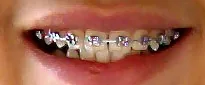
Image: ZSpeed · BY-SA 3.0 · Source
Ceramic braces work the same way as metal ones but blend in more. Here's what's genuinely different, including the real maintenance trade-offs.
What Are Ceramic Braces Made Of?
Ceramic braces use tooth-colored or clear brackets, typically made from a ceramic material, bonded to your teeth in the same way as metal brackets, connected by a wire that applies the same type of continuous, controlled pressure to move teeth into position.
How Do They Compare to Metal Braces in Effectiveness?
Ceramic braces are generally considered equally effective at moving teeth as traditional metal braces, since the underlying mechanism, a wire applying steady pressure through brackets, works the same way regardless of the bracket material.
Visibility Comparison
This is the primary reason people choose ceramic over metal — the tooth-colored or clear brackets blend in significantly more with your natural teeth, making them noticeably less obvious than traditional metal brackets, especially from a normal conversational distance.
Are Ceramic Brackets More Fragile?
Ceramic brackets are generally somewhat more brittle than metal, meaning they can be slightly more prone to breaking under significant force, such as biting directly into very hard foods, compared to metal brackets, which are more resistant to this kind of damage.
Staining Concerns With Ceramic Braces
The clear elastic ties used with ceramic brackets can sometimes pick up staining from foods and drinks like coffee, tea, or red wine, and from tobacco use, potentially becoming more noticeable over time between adjustment visits when the ties are typically replaced.
Cost Comparison to Metal Braces
Ceramic braces are generally priced somewhat higher than traditional metal braces, reflecting the material cost and, in some cases, the additional care required in placement and adjustment.
Are Ceramic Braces Right for Every Case?
Ceramic braces work well for a wide range of orthodontic cases, similar to metal braces, though your orthodontist will evaluate whether your specific case, including the force required for your particular correction, is well suited to the somewhat more delicate ceramic bracket material.
Do Ceramic Braces Take Longer to Complete Treatment?
Not typically — treatment time is generally similar to metal braces for comparable cases, since the underlying tooth-moving mechanism doesn't differ based on bracket material.
Are Ceramic Braces Used on Both Upper and Lower Teeth?
Often, people choose ceramic specifically for their upper front teeth, which are more visible when smiling and talking, sometimes combined with metal brackets on the lower teeth, which are less visible, as a way to balance appearance and cost. This is a personal choice worth discussing with your orthodontist.
Caring for Ceramic Braces
Care is essentially the same as for metal braces — regular brushing and flossing using tools like floss threaders or interdental brushes to navigate around brackets and wires, along with being mindful of hard or sticky foods that could damage the brackets, with a bit of extra attention paid to foods and drinks that might stain the clear elastic ties.