
Orthodontics · 8 min read
Ceramic Braces: The Less Visible Alternative to Metal Brackets
- Written by
- 1PleasantonDentist Editorial Team, Editorial team
- Reviewed by
- Editorial team
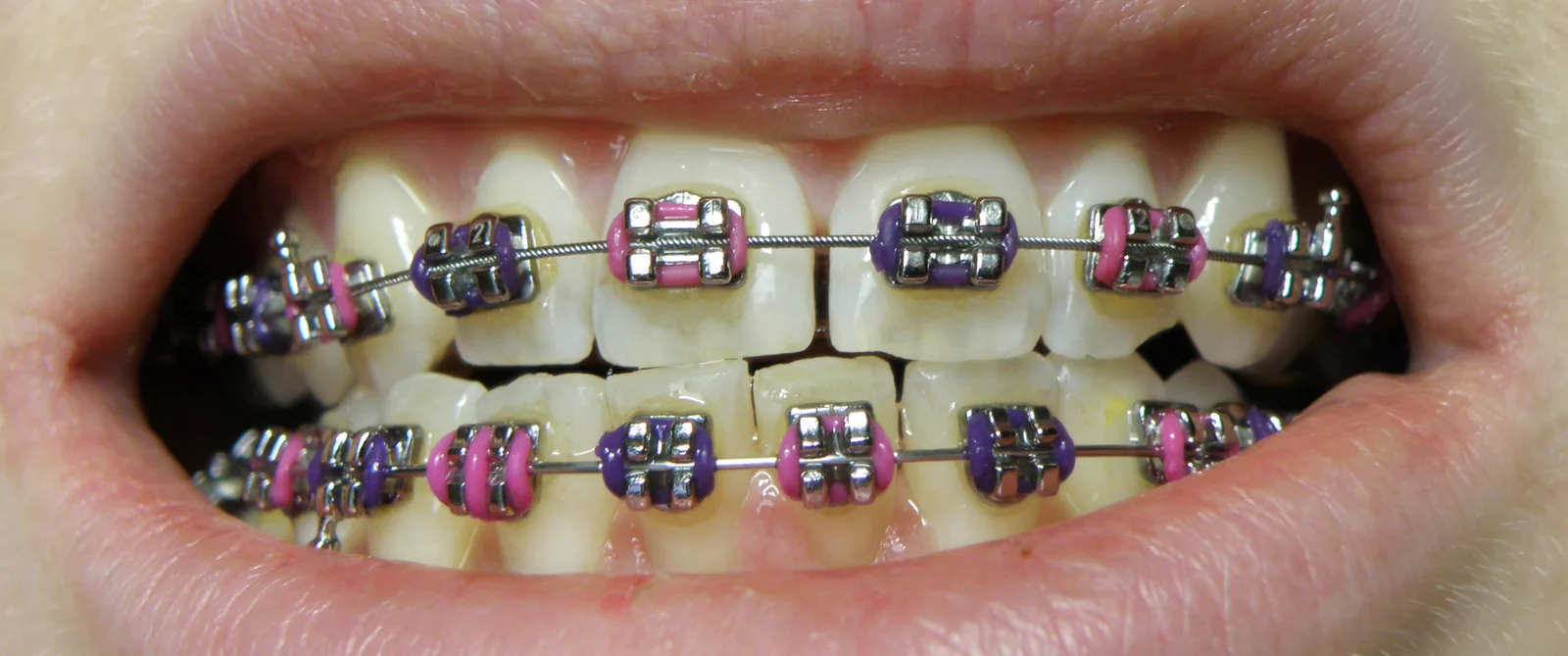
Image: MAKY.OREL · BY-SA 3.0 · Source
Ceramic braces work like metal braces but blend in more with your teeth. Here's what to know about durability, staining, and cost before choosing them.
What Are Ceramic Braces?
Ceramic braces work exactly like traditional metal braces, using brackets bonded to your teeth connected by a wire that applies steady pressure to move teeth into position. The difference is material — ceramic brackets are made from a tooth-colored or clear material rather than metal, making them noticeably less visible.
How They Compare to Metal Braces
Functionally, ceramic and metal braces work the same way and are generally similarly effective at correcting the same range of orthodontic issues. The main differences are aesthetic and, to some degree, practical — ceramic brackets are less visible but somewhat larger and slightly more fragile than metal, and the elastic ties used with them can stain more easily if oral hygiene isn't kept up carefully.
Durability Considerations
Ceramic brackets are more prone to chipping or breaking under significant force compared to metal, which is part of why some orthodontists don't recommend them for patients with a significant bite issue that would place unusual stress on the brackets, or for very active contact-sport participants without careful mouthguard use.
Staining and Maintenance
The elastic ties holding the wire in place can pick up staining from foods, drinks, and tobacco use, similar to how natural teeth can stain, though these ties are typically replaced at each adjustment appointment, limiting how long any staining is visible before being refreshed.
Cost Compared to Metal Braces
Ceramic braces generally cost somewhat more than traditional metal braces, reflecting the material cost and, in some cases, additional care required during placement and adjustment due to the material's relative fragility compared to metal.
Who Is a Good Candidate for Ceramic Braces
People prioritizing a less visible orthodontic option who don't have a case severe enough to require the greater durability of metal, and who are committed to good oral hygiene to minimize staining around the brackets, are generally good candidates for ceramic braces.
Frequently Asked Questions About Ceramic Braces
Do ceramic braces work as well as metal braces? For most standard orthodontic cases, yes, ceramic braces are considered comparably effective to metal braces in correcting alignment and bite issues, though your orthodontist may recommend metal for particularly complex cases needing maximum durability.
Are ceramic braces more expensive than metal braces? Generally, yes, reflecting the material cost and sometimes additional handling required during treatment due to the material being somewhat more fragile than metal.
Do ceramic braces stain permanently? The brackets themselves generally resist staining reasonably well, though the elastic ties connecting the wire to the brackets can stain more visibly, which is addressed at each adjustment appointment when these ties are typically replaced.
Can ceramic braces break more easily than metal? Yes, ceramic material is somewhat more prone to chipping or breaking under significant force compared to metal, which is worth discussing with your orthodontist if you have a particularly active lifestyle or play contact sports.
How long does ceramic braces treatment take compared to metal? Treatment time is generally similar between ceramic and metal braces for comparable cases, since the underlying mechanism of tooth movement is the same regardless of bracket material.